


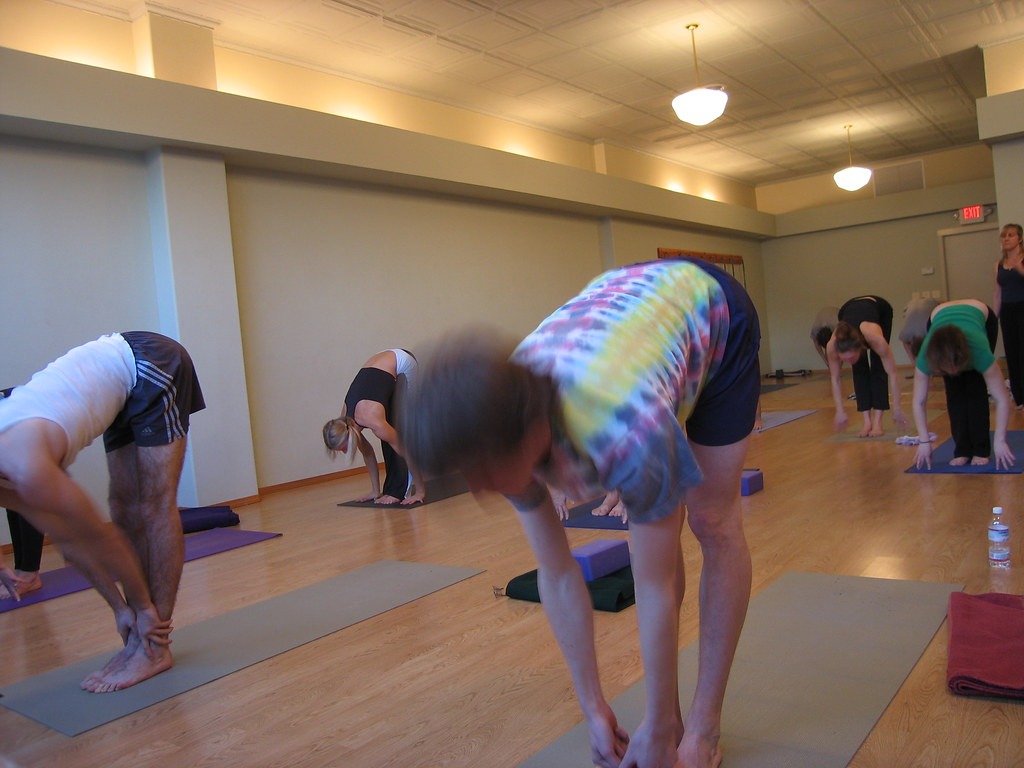
Yoga and Pilates rarely appear on lists of fat-burning workouts, and on calories alone they are modest. Yet they help many people lose weight and keep it off, because they build consistency, reduce stress eating, improve body awareness and are gentle enough to do almost every day. Here is how they fit into a fat-loss plan.
- Fat loss comes from a calorie deficit; exercise style matters less than consistency.
- Most yoga and Pilates burn fewer calories than brisk walking, but power and flow styles burn more.
- Both can reduce stress, improve sleep and support healthier eating habits.
- Pilates builds core strength and posture; yoga adds mobility and balance.
How many calories do they burn?
| Activity, 60 minutes | Rough energy use |
|---|---|
| Gentle or restorative yoga | Low, similar to slow walking |
| Mat Pilates | Low to moderate |
| Vinyasa or power yoga | Moderate, similar to brisk walking |
| Reformer Pilates, vigorous | Moderate |
| Strength training | Moderate, plus muscle maintenance |
Exact numbers depend on body size and effort. The point is that yoga and Pilates are not calorie-burning tools on their own; their value lies elsewhere.
Where they really help
- Stress and eating: yoga practice is linked with lower perceived stress and more mindful eating, which can reduce emotional snacking. See stress eating strategies.
- Consistency: low-impact sessions are easy to repeat and rarely cause injury or soreness that stops progress.
- Sleep: calmer evenings and better sleep help regulate hunger hormones.
- Strength and posture: Pilates strengthens the deep core, glutes and back.
- Joint-friendly movement: ideal for people carrying extra weight or recovering from injury.
What the research shows
Reviews of yoga trials report small reductions in body weight and waist size, mostly when practice was regular over several months and combined with healthy eating. Pilates studies show improvements in core strength, flexibility and body composition in some groups. Neither is a substitute for diet, but both make a calorie deficit easier to sustain.
A balanced weekly plan
- Two or three sessions of yoga or Pilates.
- Two strength sessions, to keep muscle while losing fat.
- Daily walking, aiming for steady increases in steps.
- A moderate calorie deficit with plenty of protein. See counting macros for weight loss.
Pairing with strength training
Yoga and Pilates complement lifting rather than replace it. Strength training keeps muscle during a calorie deficit and supports metabolism, while yoga and Pilates add mobility, core control and a calmer mind. A simple split is lifting on Monday and Thursday, Pilates on Tuesday, yoga on Saturday and walking every day. On heavy lifting days, keep any yoga gentle so it aids recovery rather than adding fatigue.
Choosing a style
Hatha and gentle yoga suit beginners. Vinyasa and power yoga feel more like a workout. Mat Pilates needs nothing but a mat, while reformer Pilates studios offer resistance and guidance. Many Canadian community centres and YMCAs run affordable classes, and free online classes are plentiful.
Hot yoga feels intense, but much of the extra weight lost is water that returns when you drink. Choose the style you enjoy and will keep doing.
Getting started safely
Tell instructors about injuries, back pain or blood pressure problems. Modify poses that cause pain, and avoid holding your breath during effort. People with very high body weight may prefer chair yoga or beginner Pilates at first.
Training and recoveryLow-impact exercise for beginnersRead guide
Frequently asked questions
Can yoga alone help me lose weight?
Only modestly. Combined with diet and walking, it supports lasting fat loss.
Is Pilates better than yoga for fat loss?
Neither is clearly better. Pick the one you enjoy and can do consistently.
How often should I do yoga or Pilates?
Two to four sessions a week gives noticeable benefits for most people.
Educational information only. Nothing here is medical advice or a recommendation to use any product. Anabolic steroids are Schedule IV under the Controlled Drugs and Substances Act. Talk to a doctor and get bloodwork before and after using any compound.