

Starting to exercise when you carry extra weight can be daunting. Joints ache, breathlessness comes quickly, and gyms can feel intimidating. Low-impact exercise solves much of this: it is kinder to the knees, hips and back, it builds fitness steadily, and it can start today with little or no equipment.
- Low-impact means at least one foot stays on the ground, or the body is supported by water or a seat.
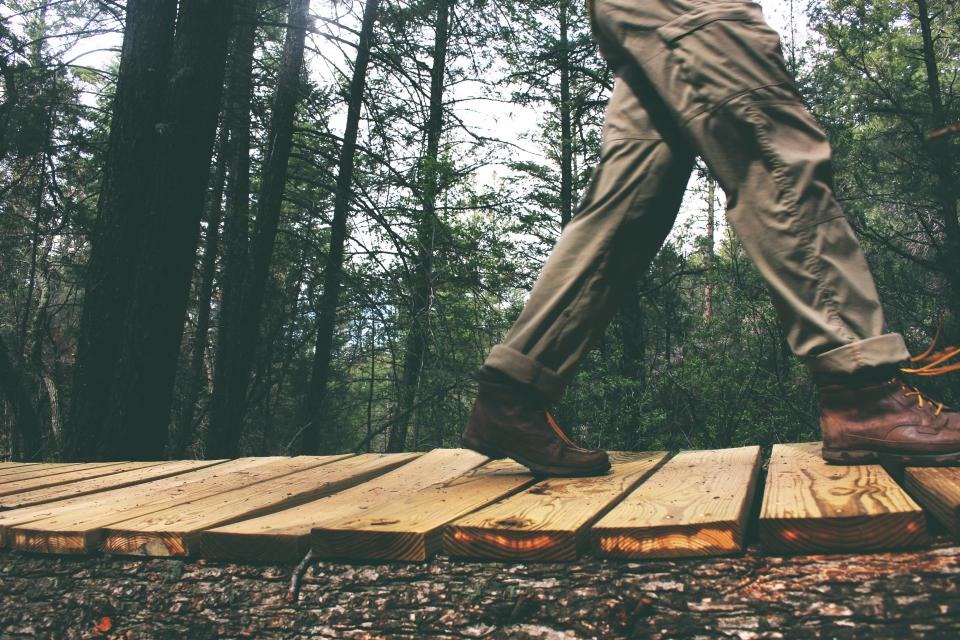
- Walking, swimming, water aerobics, cycling and rowing are excellent starting points.
- Strength training is joint-friendly and protects muscle during weight loss.
- Start small, build gradually, and focus on consistency rather than intensity.
Why low-impact first
Each step during running puts several times your body weight through the legs. With extra weight, that adds up quickly and raises the risk of sore joints and injury, which stops progress. Low-impact options deliver most of the health benefits with far less strain, letting you build the habit before increasing intensity.
Best low-impact options
| Activity | Why it works | Getting started |
|---|---|---|
| Walking | Free, simple, easy to progress | 10 minutes a day, adding a few minutes each week |
| Swimming and water aerobics | Water supports body weight | Community pool classes |
| Stationary cycling | Seated, easy on knees | 15 minutes at a comfortable pace |
| Elliptical | Running motion without impact | Short intervals with rests |
| Rowing | Works the whole body | Learn technique first |
| Chair exercises | For limited mobility | Seated marches, arm raises |
Do not skip strength
Strength training is low-impact when done with control, and it is one of the best things you can do while losing weight. It keeps muscle, improves blood sugar control, supports joints and makes daily tasks easier. Start with sit-to-stand from a chair, wall push-ups, resistance band rows and glute bridges, two or three times a week.
A first-month plan
- Week 1: walk 10 minutes a day; two short strength sessions.
- Week 2: walk 15 minutes; add one swim or cycling session.
- Week 3: walk 20 minutes; strength sessions with two sets of each exercise.
- Week 4: walk 25 to 30 minutes, or split into two walks; three strength sessions.
Making it easier
- Choose supportive shoes and moisture-wicking clothes to prevent chafing.
- Exercise with a friend or join a beginner class for accountability.
- Use the “talk test”: you should be able to talk, but not sing.
- Track minutes or steps, not just the scale.
Dealing with soreness and setbacks
Mild muscle soreness a day or two after a new activity is normal and fades within a few sessions. Sharp joint pain, swelling or pain that worsens during exercise is a signal to back off and switch activities. Missing a few days is not failure: simply restart at a slightly easier level. Most people who succeed long term have had several restarts along the way.
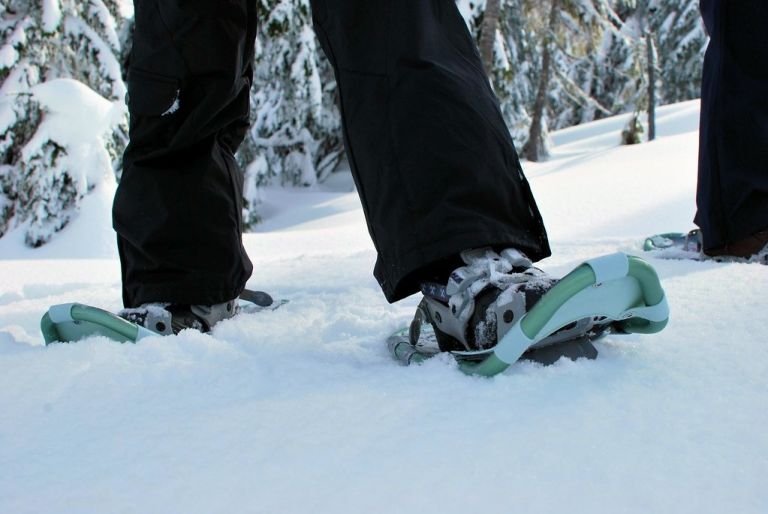
Winter in Canada
Ice and cold make outdoor walking harder for months. Shopping centre walking programs, community centre tracks and indoor pools are good options. See winter fitness in Canada.
If you have heart disease, diabetes, high blood pressure, joint problems or have been inactive for a long time, speak to your doctor before starting. Stop and seek help for chest pain, severe breathlessness or dizziness.
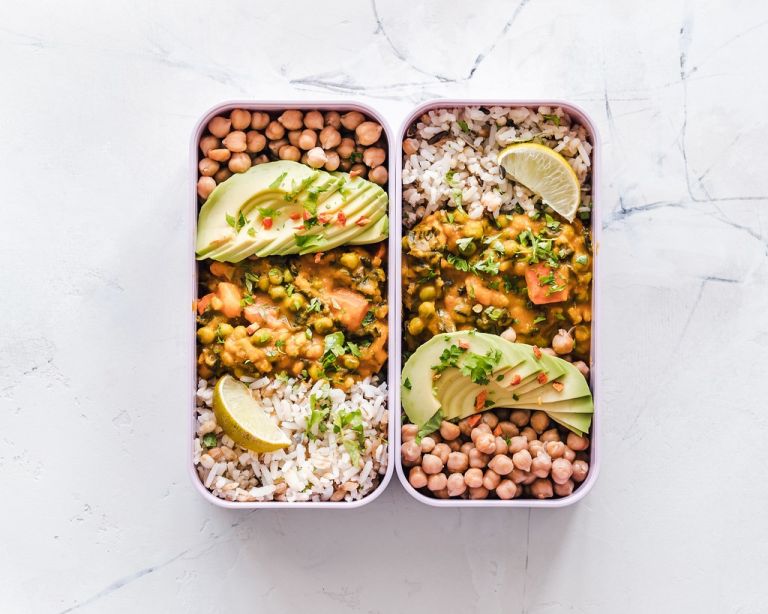
Food matters most for weight loss
Exercise improves health at any weight, but fat loss mostly comes from diet. Pairing both works best. See Canadian grocery staples for weight loss.
Training and recoveryYoga and Pilates for fat lossRead guide
Frequently asked questions
What is the best exercise for very overweight beginners?
Walking and water-based exercise are excellent places to start, along with simple strength training.
How much exercise do I need to lose weight?
Any amount helps health. For weight loss, combine regular activity with a moderate calorie deficit.
My knees hurt when I walk. What should I do?
Try cycling or swimming, strengthen your legs, and see a doctor or physiotherapist if pain persists.
Educational information only. Nothing here is medical advice or a recommendation to use any product. Anabolic steroids are Schedule IV under the Controlled Drugs and Substances Act. Talk to a doctor and get bloodwork before and after using any compound.