

Counting macros means tracking protein, carbohydrates and fat rather than just calories. It takes a little effort at first, but it teaches you what is in your food, keeps protein high to protect muscle and makes weight loss predictable. Here is a step-by-step way to set your numbers and use them.
- Calories determine weight loss; macros determine how much of it is fat versus muscle and how you feel.
- Set protein first, then fat, then fill the remaining calories with carbohydrates.
- A food scale and a tracking app make counting accurate.
- Adjust based on two to three weeks of real results, not a calculator alone.
Step 1: estimate maintenance calories
A simple starting estimate is body weight in kilograms multiplied by 30 for lightly active people, or by 33 to 35 for active lifters. Online calculators give similar numbers. These are estimates; your real maintenance level comes from tracking. See understanding metabolism.
Step 2: create a deficit
Subtract 300 to 600 calories a day from maintenance, aiming to lose about 0.5 to 1 percent of body weight per week.
Step 3: set macros
| Macro | How to set it | Calories per gram |
|---|---|---|
| Protein | 1.6 to 2.4 g per kg body weight | 4 |
| Fat | 0.6 to 1 g per kg, at least 20% of calories | 9 |
| Carbohydrate | Remaining calories divided by 4 | 4 |
Worked example
An 85 kg active man with an estimated maintenance of 2,800 calories sets a target of 2,300.
- Protein: 85 x 2 = 170 g, or 680 calories.
- Fat: 85 x 0.8 = 68 g, or about 610 calories.
- Carbohydrates: 2,300 – 680 – 610 = 1,010 calories, or about 250 g.
Step 4: track accurately
- Use a tracking app with a large database of Canadian foods and barcode scanning.
- Weigh food with a digital kitchen scale, especially calorie-dense items such as oils, nut butters, rice and pasta.
- Log everything, including cooking oil, sauces and drinks.
- Pre-log meals for the day to plan ahead.
Step 5: adjust
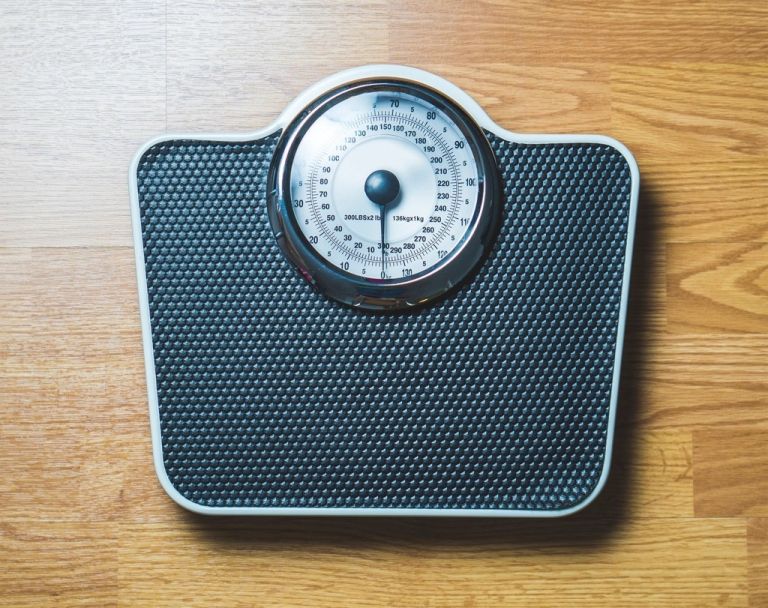
Weigh yourself several mornings a week and compare weekly averages. If weight is not dropping after two to three weeks, reduce intake by about 150 to 250 calories, mostly from carbohydrates or fat. If losing too fast, or strength falls sharply, add some back.
Common mistakes
- Guessing portions instead of weighing.
- Forgetting oils, dressings and bites while cooking.
- Logging cooked versus raw weights inconsistently.
- Abandoning tracking on weekends.
- Expecting the scale to drop in a straight line; water fluctuations are normal.
Eating out while tracking
Many Canadian restaurant chains publish nutrition information online. Look up the meal in advance, choose grilled proteins and vegetable sides, ask for sauces on the side and log a slightly higher estimate than you think. For home-cooked meals at a friend’s place, estimate portions by eye and do not stress over one imperfect day.
Flexible dieting
Counting macros allows any food to fit in moderation, which makes the diet easier to sustain. Most of the plan should come from whole, filling foods, with room for treats. See Canadian grocery staples.
After a few months, most people can estimate portions well. Track again if progress stalls.
Is counting right for you?
Tracking suits people who like numbers and structure. For anyone with a history of disordered eating, counting can be harmful; simpler approaches such as the plate method may be better. See stress eating strategies.
Nutrition and fat lossMeal prep for busy peopleRead guide
Frequently asked questions
Is counting macros better than counting calories?
Both cause weight loss. Counting macros also keeps protein high, which protects muscle.
Should I weigh food raw or cooked?
Raw is most accurate, but either works if you log consistently using matching entries.
How long until I see results?
Expect clear trends in two to four weeks of consistent tracking.
Educational information only. Nothing here is medical advice or a recommendation to use any product. Anabolic steroids are Schedule IV under the Controlled Drugs and Substances Act. Talk to a doctor and get bloodwork before and after using any compound.