


A tough day at work, money worries or poor sleep, and suddenly the chips are gone. Stress eating is extremely common and is one of the biggest obstacles to weight loss. It is not a lack of willpower: stress changes hormones and brain chemistry in ways that drive cravings. Understanding that helps you respond with strategies instead of guilt.
- Chronic stress raises cortisol and increases appetite, especially for high-sugar and high-fat foods.
- Emotional hunger comes on suddenly and wants specific comfort foods.
- Changing your environment works better than relying on willpower.
- Sleep, exercise and regular meals reduce stress-driven eating.
Why stress makes you eat
Short-term stress often suppresses appetite. Chronic stress does the opposite: raised cortisol levels increase hunger and cravings, and highly palatable foods temporarily dampen the stress response, which reinforces the habit. Stress also disrupts sleep, which further increases hunger hormones. Over time, eating becomes an automatic way to cope. See cortisol, stress and muscle.
Emotional or physical hunger?
| Physical hunger | Emotional hunger |
|---|---|
| Builds gradually | Comes on suddenly |
| Any food will do | Craves specific comfort foods |
| Stops when full | Continues past fullness |
| No guilt afterward | Often followed by guilt |
Strategies that help
- Pause for ten minutes: when a craving hits, wait, drink water and check whether you are really hungry.
- Name the feeling: asking “am I stressed, bored, tired or lonely?” weakens the automatic response.
- Change the environment: keep trigger foods out of the house, or in hard-to-reach places.
- Have a stress menu: a short list of alternatives, such as a walk, a call to a friend, a shower or stretching.
- Eat regular meals: skipping meals makes evening stress eating more likely.
- Keep high-protein snacks ready: Greek yogurt, cottage cheese, jerky or fruit.
- Plan your treats: allowing small portions removes the forbidden-food rebound.
Reduce the stress itself
Exercise is one of the most effective stress reducers, and even a short walk lowers tension. Sleep of seven to nine hours makes cravings easier to manage. Breathing exercises, yoga and time outdoors calm the nervous system. See yoga and Pilates.
Do not diet too hard
Very restrictive diets increase stress, hunger and food preoccupation, making stress eating more likely. A moderate deficit with foods you enjoy is easier to stick with. See Canadian grocery staples.
Be kind after a slip
A single episode does not ruin progress. The bigger risk is the “what the heck” effect, where one slip turns into a lost week. Get back to your next normal meal and move on. Notice what triggered the episode, so you can plan for it next time.
If you regularly eat large amounts while feeling out of control, eat in secret or feel intense shame afterwards, that may be binge eating disorder, which is treatable. Talk to your doctor, or contact the National Eating Disorder Information Centre (NEDIC) in Canada for support.
Swap list for common cravings
- Chips: air-popped popcorn or roasted chickpeas.
- Ice cream: Greek yogurt with frozen berries and a drizzle of honey.
- Chocolate: a couple of squares of dark chocolate with a glass of milk.
- Pop: sparkling water with lemon or a diet soft drink.
Work, shifts and stress
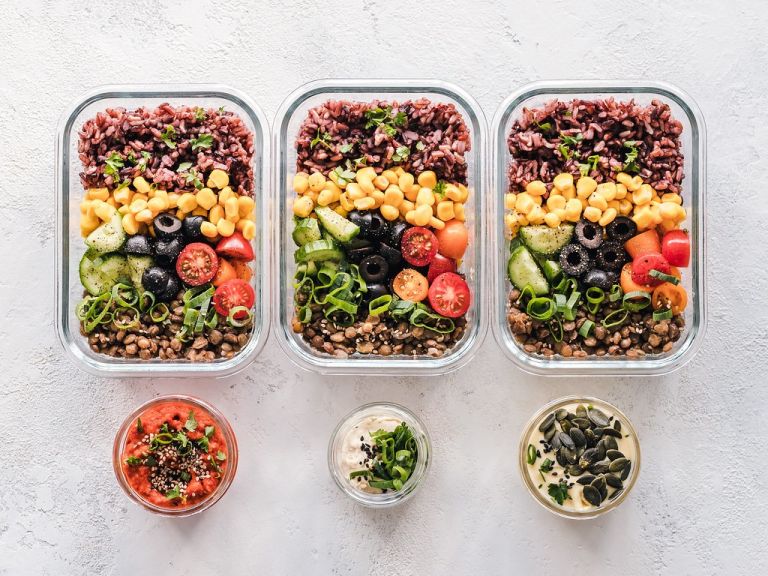
Long shifts, night work and constant deadlines make regular meals hard. Packing meals and snacks in advance removes vending machines from the equation. See meal prep for busy people.
Nutrition and fat lossMeal prep for busy peopleRead guide
Frequently asked questions
Why do I crave sugar when stressed?
Stress hormones increase appetite, and sugary foods briefly reduce feelings of stress.
How do I stop eating at night?
Eat enough during the day, keep trigger foods out of the house, and build a wind-down routine.
Is stress eating an eating disorder?
Not usually, but frequent loss-of-control eating can be. Speak to a doctor if you are concerned.
Educational information only. Nothing here is medical advice or a recommendation to use any product. Anabolic steroids are Schedule IV under the Controlled Drugs and Substances Act. Talk to a doctor and get bloodwork before and after using any compound.