

From November to March, many Canadians train less, eat more and lose much of the progress they built over summer. Short days, cold, ice and holiday eating all work against you. But winter can also be a great season for building strength and trying new activities, if you plan for it.
- Plan indoor training as the default, and treat good-weather days outdoors as a bonus.
- Dress in layers and protect hands, feet and face when exercising outside.
- Low daylight affects mood and vitamin D; morning light and supplements can help.
- Winter is an ideal time for a strength block or a lean bulk.
Indoor options
- Gym training: winter is the perfect season for a focused strength phase.
- Home workouts: a few dumbbells or bands remove the excuse of icy roads. See building a home gym in Canada.
- Community centres: pools, indoor tracks and drop-in classes are affordable across the country.
- Mall walking: many shopping centres open early for walkers.
Outdoor winter activities
| Activity | Benefit |
|---|---|
| Cross-country skiing | Superb full-body endurance |
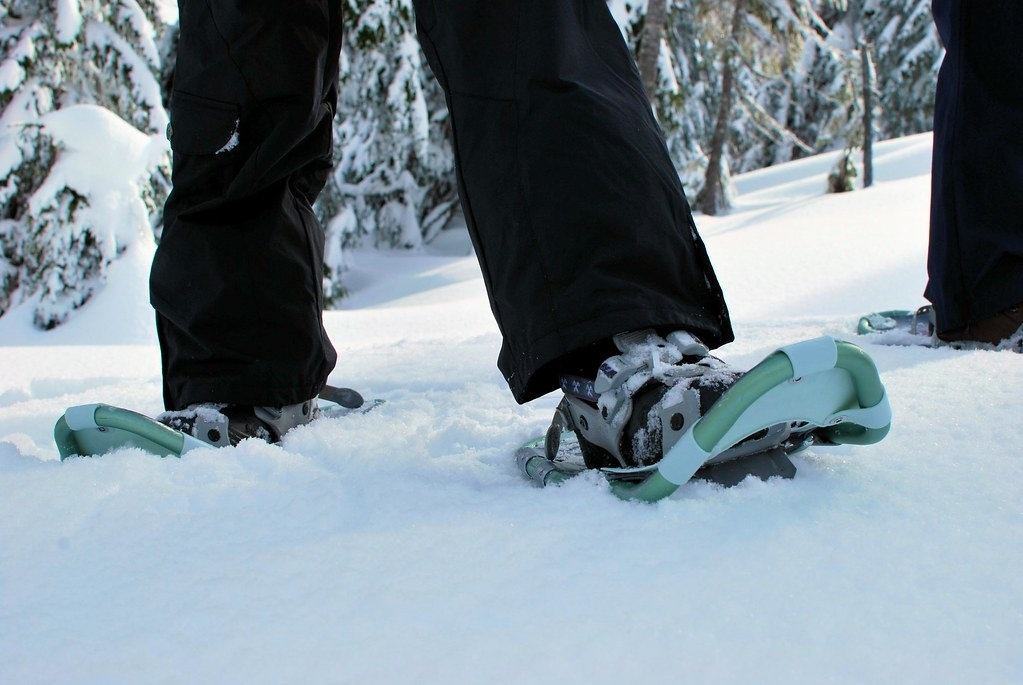
| Snowshoeing | Hard leg work with low impact |
| Skating | Balance, legs and fun |
| Winter hiking | Daylight, fresh air, mood |
| Shovelling snow | Real exertion; lift with legs and pace yourself |
Dressing for the cold
Use three layers: a moisture-wicking base, an insulating middle layer and a wind-resistant shell. Avoid cotton next to the skin, as it stays wet. Cover the head, hands and face, and use traction cleats on icy paths. Start slightly cold; you will warm up quickly once moving.
Daylight, mood and vitamin D
In much of Canada, the sun is too low in winter for the skin to make meaningful vitamin D. Health Canada and many doctors advise considering a vitamin D supplement in winter. Shorter days also lower mood and energy for many people; getting outside in daylight, especially in the morning, helps. If low mood is severe or lasts weeks, seasonal affective disorder is treatable, so talk to a doctor.
Staying motivated
- Set a winter goal, such as a strength target or a spring event.
- Book classes or sessions in advance and treat them like appointments.
- Train with a partner; it is harder to skip when someone is waiting.
- Track weekly sessions rather than daily perfection.
A simple winter week
- Three strength sessions at the gym or at home.
- One longer outdoor activity on the weekend, such as snowshoeing or a winter hike, when conditions allow.
- A daily 20 to 30 minute walk, outdoors at lunchtime for daylight or indoors at a mall or track.
- Two short mobility sessions to counter stiffness from cold and sitting.
Hydration in the cold
Cold air is dry and thirst is weaker in winter, so many people under-drink. Keep water with you, and warm drinks such as tea count toward intake.
Holiday eating
A few big meals will not ruin progress. Keep protein high, keep training, and get back to normal eating the next day. A winter lean bulk can make use of a bigger appetite. See a high-protein meal plan.
Snow shovelling and exercise in severe cold raise strain on the heart, especially for people with heart disease or high blood pressure, or using anabolic steroids or stimulants. Warm up, pace yourself, and stop for chest pain or unusual breathlessness. Watch for frostbite on extremely cold or windy days.
Training and recoveryBuilding a home gym in CanadaRead guide
Frequently asked questions
Is it safe to run in very cold weather?
Usually, with proper layers and traction. In extreme cold or wind chill, train indoors.
Should I take vitamin D in winter?
Many Canadians benefit from a winter vitamin D supplement. Ask your doctor or pharmacist about the right amount.
Do you burn more calories exercising in the cold?
Slightly, but not enough to matter much. Consistency matters far more.
Educational information only. Nothing here is medical advice or a recommendation to use any product. Anabolic steroids are Schedule IV under the Controlled Drugs and Substances Act. Talk to a doctor and get bloodwork before and after using any compound.