

Breathing seems automatic until you are under a heavy barbell. How you breathe and brace changes how stable your spine is, how much you can lift and how your blood pressure responds. This guide explains the bracing technique strength athletes use, how belts fit in, and who should be cautious.
- A deep breath into the belly, followed by tightening the trunk muscles, creates pressure that stiffens the spine.
- Briefly holding that breath during the hardest part of a lift (the Valsalva manoeuvre) is standard for heavy sets.
- Breath-holding sharply raises blood pressure for a few seconds, which matters for people with heart or blood pressure problems.
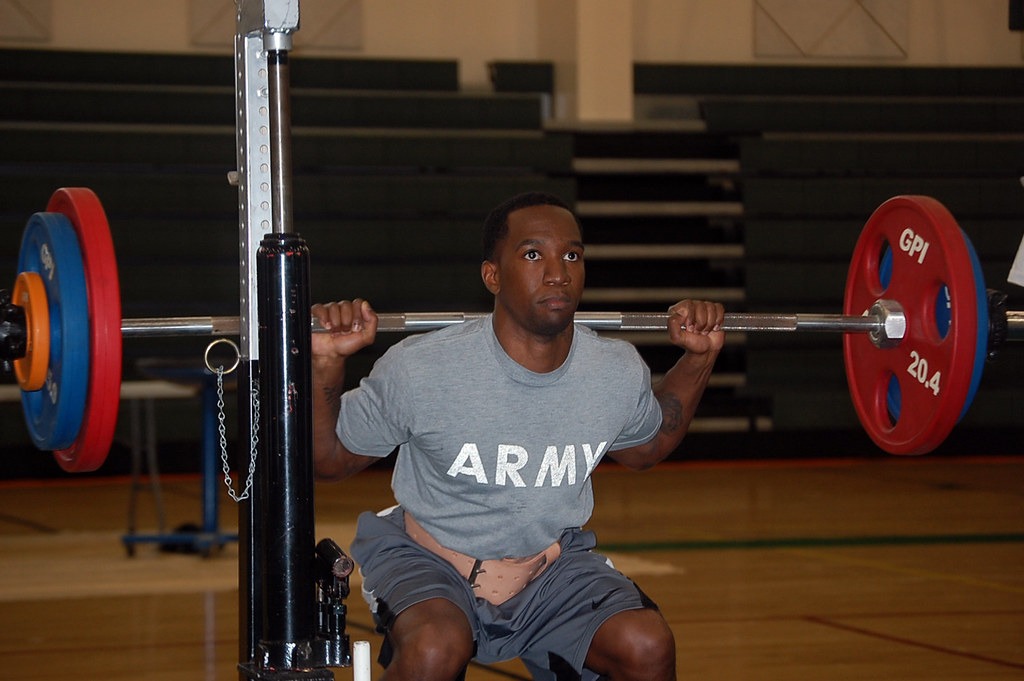
- Belts give the trunk something to brace against; they add to good bracing rather than replace it.
How bracing works
Your trunk is like a cylinder: the diaphragm on top, the pelvic floor below and the abdominal and back muscles around the sides. Taking a deep breath and tightening everything raises pressure inside that cylinder, called intra-abdominal pressure. That pressure supports the spine from the inside and stops it bending under load, letting you transfer force from your legs to the bar.
How to brace
- Breathe in through the nose, filling your belly and sides rather than lifting your chest and shoulders.
- Tighten your abdominal muscles as if expecting a punch, pushing out against your waistband or belt.
- Hold that tension as you start the rep.
- Exhale steadily or partly through pursed lips past the hardest point, or at the top, then re-breathe before the next rep.
Practise with light weights until it becomes automatic.
The Valsalva manoeuvre
Holding your breath against a closed throat during a heavy effort is called the Valsalva manoeuvre. It maximises trunk stiffness, which is why lifters use it for heavy squats and deadlifts. It also causes a large, brief spike in blood pressure. For healthy people, short holds during a single rep are generally considered acceptable. Long holds over several reps add strain.
High blood pressure, heart disease, a history of stroke or aneurysm, glaucoma or retinal problems, a hernia, or are pregnant. Anabolic steroid use, which often raises blood pressure, adds to that risk. Ask a doctor, use lighter loads with exhaling through the effort, and avoid maximal breath-holding.
Using a lifting belt
A belt does not support your back on its own. It gives your abdominal muscles something firm to push against, which helps you build more pressure. Belts are most useful for heavy squats and deadlifts. Learning to brace without one first, then adding it for heavy sets, builds both skill and strength.
Breathing for different exercises
| Exercise type | Approach |
|---|---|
| Heavy squats and deadlifts | Full brace each rep, breath held through the hardest part |
| Bench press | Breath and brace before lowering, exhale near the top |
| Moderate-weight accessories | Exhale on the effort, inhale on the return |
| High-rep or conditioning work | Steady, continuous breathing |
Breathing for recovery
Slow nasal breathing between sets, with longer exhales, helps bring the heart rate down. Breathing exercises after training or before bed can help switch the nervous system toward rest; see cortisol, stress and muscle.
Signs of a problem
Dizziness, seeing spots, headaches during or after lifting, or feeling faint are reasons to reduce breath-holding and see a doctor, particularly if blood pressure is high.
Health and bloodworkBlood pressure on steroidsRead guide
Frequently asked questions
Is holding my breath while lifting dangerous?
Brief holds are generally fine for healthy people, but they raise blood pressure sharply. People with heart or pressure problems should be cautious.
Do I need a lifting belt?
Not to start. Learn to brace first; a belt helps on heavy sets.
Why do I get headaches when lifting heavy?
They can relate to blood pressure spikes. Persistent or severe ones need a medical check.
Educational information only. Nothing here is medical advice or a recommendation to use any product. Anabolic steroids are Schedule IV under the Controlled Drugs and Substances Act. Talk to a doctor and get bloodwork before and after using any compound.