

A long bulk is a test of patience. The scale moves slowly, clothes get tighter, appetite runs out, and progress in the mirror is hard to see. Many people abandon a bulk halfway, then start again later and never finish one. Here is how to stay on track mentally and physically.
- A slow, steady surplus builds muscle with less fat, which makes the bulk easier to sustain.
- Tracking strength, measurements and photos keeps progress visible when the mirror does not.
- Body image struggles are common during bulks; plan for them rather than being surprised.
- Life outside the gym matters; a sustainable bulk fits around work and relationships.
Set a realistic pace
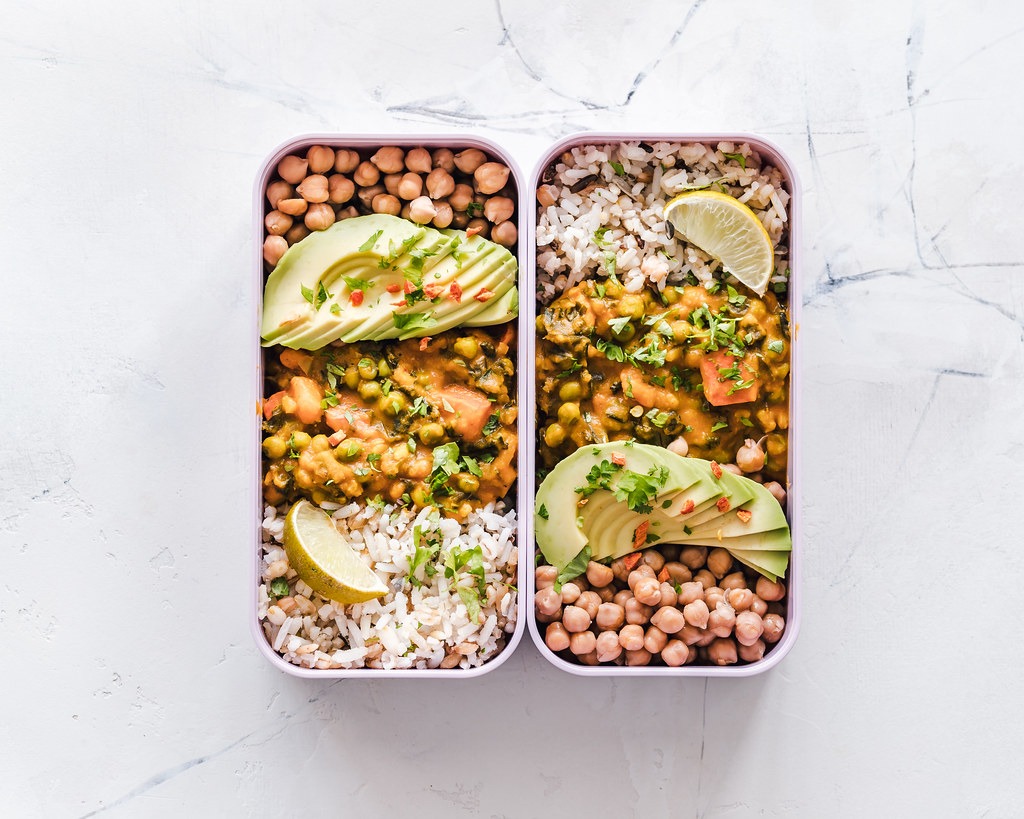
Most lifters gain muscle best with a gain of roughly 0.25 to 0.5 percent of body weight per week. Beginners can push the upper end; experienced lifters should aim lower. Faster gains are mostly fat, which makes the eventual cut longer and the bulk less pleasant. See a high-protein meal plan for building muscle.
Track what matters
- Strength: rising numbers on main lifts are the clearest sign of progress.
- Weekly average weight: daily weight jumps around; averages show the trend.
- Measurements: waist, arms, chest and thighs every two to four weeks.
- Photos: same lighting, time of day and pose, every four weeks.
Managing appetite
Eating more becomes hard work later in a bulk. Calorie-dense foods such as nut butters, olive oil, rice, oats, whole milk and dried fruit help. Liquid calories such as smoothies are easier to fit in. Spreading food over more meals and keeping some easy snacks on hand prevents falling short.
Body image
Feeling soft or bloated during a bulk is common, and social media comparisons make it worse. Remind yourself of the long-term goal, limit comparison with edited images, and judge progress by your own data. If thoughts about your body become constant or distressing, or you feel you are never big enough, that may be muscle dysmorphia, which is worth discussing with a professional. See mood and mental health.
Keep training interesting
Training blocks of four to eight weeks with clear goals, such as a rep target or new personal best, give you milestones. Rotating some accessory exercises keeps sessions fresh without changing the core lifts.
Balance with life
Long bulks fail when they take over everything. Plan meals for busy days, allow flexibility for social events, and prioritise sleep. A bulk that fits your life is one you will finish.
Set an end date or a body-fat limit for the bulk. Knowing when it ends makes the middle easier.
When motivation drops
Motivation comes and goes; habits carry you through. Lay out gym clothes the night before, schedule sessions like appointments, train with a friend and focus on showing up rather than on perfect sessions.
Handling plateaus
If your weekly average weight has not moved for two to three weeks, add around 150 to 250 calories a day, usually as an extra snack or a bit more carbohydrate. If strength has stalled while weight still climbs, look at sleep, stress and training volume before eating more. A planned lighter week every six to eight weeks often restarts progress and gives the mind a break too.
The shortcut temptation
Slow bulks lead some people to consider anabolic steroids. Before that, make sure training, diet and sleep are truly dialled in; most people have more natural progress available than they think. See realistic expectations.
Nutrition and fat lossA high-protein meal plan for building muscleRead guide
Frequently asked questions
How fast should I gain weight on a bulk?
Roughly 0.25 to 0.5 percent of body weight per week for most lifters.
How long should a bulk last?
Often several months; many lifters run bulks of four to nine months.
What if I feel too fat during a bulk?
Check your rate of gain; slowing the surplus often helps. Use measurements and strength to judge progress.
Educational information only. Nothing here is medical advice or a recommendation to use any product. Anabolic steroids are Schedule IV under the Controlled Drugs and Substances Act. Talk to a doctor and get bloodwork before and after using any compound.