


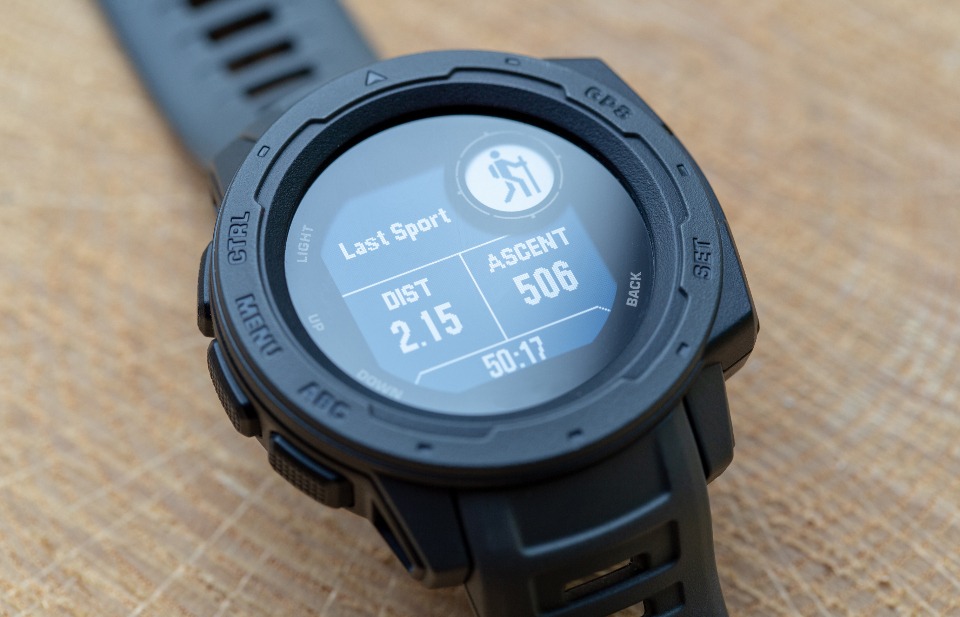
Smartwatches and rings now track heart rate, heart rate variability, sleep and more. Used well, they can show when recovery is lagging and catch changes, such as a creeping resting heart rate, that you would otherwise miss. Used badly, they create anxiety over meaningless numbers. Here is how to read them sensibly.
- Trends over weeks matter far more than any single day’s reading.
- Resting heart rate and heart rate variability (HRV) respond to training load, stress, illness, alcohol and sleep.
- Sleep-stage estimates are rough; total sleep time and consistency are more reliable.
- Wearables do not replace a proper blood pressure cuff or bloodwork.
Resting heart rate
Resting heart rate falls as fitness improves. A sustained rise of several beats per minute above your normal can signal fatigue, illness, dehydration, stress, heavy drinking or stimulant use. For people using anabolic steroids or fat burners, a steadily rising resting heart rate is worth noting and discussing with a doctor alongside blood pressure readings.
Heart rate variability
HRV measures the variation in time between heartbeats. Higher HRV generally reflects a nervous system in “rest and recover” mode; lower HRV suggests stress or fatigue. It varies a lot between people, so compare yourself only with your own baseline. A drop over several days, combined with poor sleep and heavy legs, suggests easing training.
Sleep tracking
Wearables estimate sleep stages from movement and heart rate. They are reasonably good at total sleep time and wake-ups, less accurate at distinguishing light, deep and REM sleep. Use them to spot patterns: short nights, late bedtimes, frequent waking after alcohol or late caffeine. See sleep and recovery.
What the numbers can show
| Pattern | Possible meaning |
|---|---|
| Resting HR up, HRV down for several days | Fatigue, illness, stress or poor sleep |
| Resting HR steadily rising over weeks | Accumulated fatigue, stimulants, possible cardiovascular strain |
| Short or fragmented sleep | Alcohol, late caffeine, stress, possible sleep apnea |
| Irregular rhythm notifications | Needs medical review |
Some watches can flag possible atrial fibrillation. An alert is not a diagnosis, but it should be followed up with a doctor and an ECG, especially if you use anabolic steroids or stimulants.
What wearables cannot do
Most do not measure blood pressure accurately; a validated upper-arm cuff is still needed. None measures cholesterol, hematocrit or hormones. Treat a wearable as a daily nudge, not a medical device. See tracking blood pressure at home.
Using the data well
- Wear it consistently, including at night, for at least two weeks to establish your baseline.
- Look at weekly averages rather than reacting to one bad morning.
- Combine data with how you feel and how training is going.
- Note alcohol, late meals and stressful days to understand the dips.
- If the numbers make you anxious, check them less often.
Adjusting training
When several markers point the same way, such as lower HRV, higher resting heart rate, poor sleep and stalled lifts, a lighter session or rest day usually pays off. One poor reading on its own is not a reason to skip training.
Training and recoveryDeep sleep, recovery and hormonesRead guide
Frequently asked questions
What is a good HRV?
It varies widely between people. Compare only with your own baseline.
Are sleep stage readings accurate?
Roughly. Total sleep time and consistency are more reliable than stage estimates.
Can a smartwatch measure blood pressure?
Most cannot do so accurately. Use a validated upper-arm cuff.
Educational information only. Nothing here is medical advice or a recommendation to use any product. Anabolic steroids are Schedule IV under the Controlled Drugs and Substances Act. Talk to a doctor and get bloodwork before and after using any compound.