

Weight loss happens in the kitchen, and the kitchen is stocked at the grocery store. With food prices high across Canada, many people assume healthy eating is out of reach. It is not. A cart built around a few affordable staples can make a calorie deficit filling, simple and cheaper than takeout.
- Build meals around protein, vegetables and high-fibre carbohydrates to stay full on fewer calories.
- Frozen and canned foods are nutritious, cheap and last.
- Canadian-grown staples such as lentils, oats, potatoes, canola oil and root vegetables are good value.
- Planning and a shopping list save money and prevent impulse buys.
Protein foods
- Eggs: among the cheapest sources of high-quality protein.
- Chicken thighs and breasts: buy family packs and freeze.
- Canned tuna and salmon: shelf-stable, high in protein.
- Greek yogurt and cottage cheese: high protein, filling snacks.
- Lentils, split peas and beans: Canadian-grown, cheap, high in fibre.
- Lean ground beef or turkey: versatile for batch cooking.
Produce, fresh and frozen
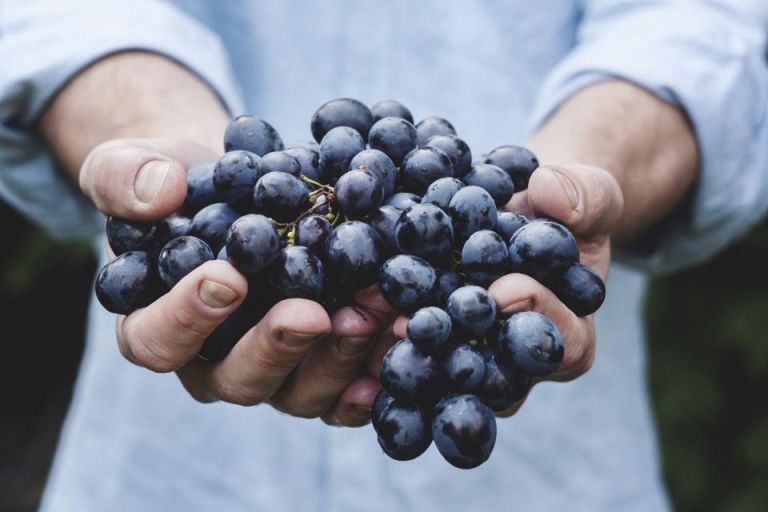
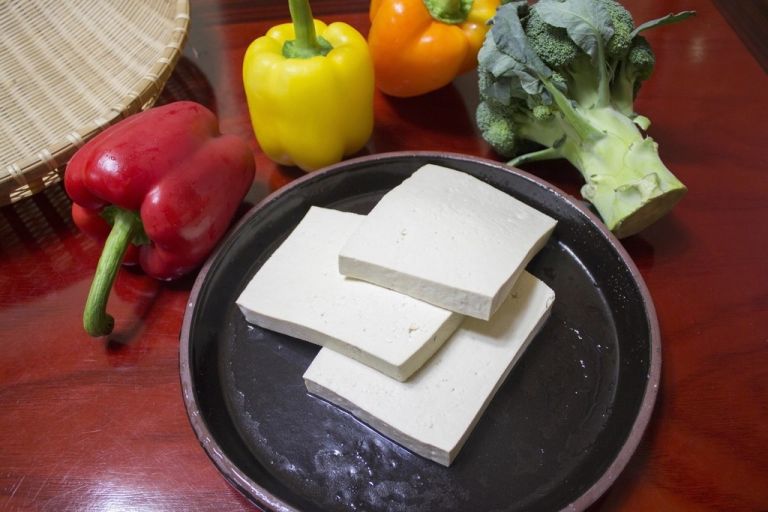
Seasonal produce and frozen vegetables and fruit are your best friends. Frozen berries and vegetables are picked and frozen quickly, keeping nutrients, and they do not spoil. Carrots, cabbage, onions, potatoes, apples and squash are inexpensive and keep well through winter.
Smart carbohydrates
| Food | Why it helps |
|---|---|
| Oats | High fibre, very filling, cheap in bulk |
| Potatoes | One of the most filling foods per calorie |
| Brown rice and barley | Fibre and steady energy |
| Whole-grain bread and wraps | Convenient for lunches |
| Lentils and beans | Carbohydrates and protein together |
Pantry and flavour
Canola oil, mustard, salsa, spices, low-sodium broth, vinegar and hot sauce add flavour for few calories. Measure oils and spreads, as they are calorie-dense and easy to overpour.
A weekly shopping list
- 2 dozen eggs, a family pack of chicken, 2 cans tuna or salmon
- A large tub of Greek yogurt and cottage cheese
- Bag of dry lentils or 3 cans beans
- Oats, potatoes, rice
- Frozen mixed vegetables, frozen berries
- Carrots, onions, cabbage or lettuce, apples, bananas
- Spices, salsa, mustard
Money-saving tips
- Use store flyer apps and price match.
- Buy store brands, which are often identical.
- Shop discount grocers and bulk stores for staples.
- Batch cook and freeze portions. See meal prep for weight loss.
- Plan meals before shopping and avoid shopping hungry.
“Low fat”, “keto” or “natural” do not mean low calorie. Check serving size, calories and protein on the Nutrition Facts table, and use Canada’s front-of-pack symbol to spot foods high in sugar, sodium or saturated fat.
Turning staples into meals
- Breakfast: oats cooked with milk, topped with frozen berries; or eggs with toast.
- Lunch: tuna or chicken with a big salad and a potato or wrap.
- Dinner: lentil chili with ground turkey and vegetables, made in a large batch.
- Snacks: Greek yogurt, cottage cheese with fruit, carrots and hummus.
Each of these meals is high in protein and fibre, which keeps hunger in check during a calorie deficit.
Foods to buy less often
Sugary drinks, chips, pastries, sweetened coffee drinks and most frozen meals are calorie-dense and not very filling. Keeping them out of the house is easier than resisting them at home.
Nutrition and fat lossCounting macros for weight lossRead guide
Frequently asked questions
What is the cheapest high-protein food in Canada?
Dry lentils, split peas and eggs are usually the cheapest per gram of protein.
Are frozen vegetables as healthy as fresh?
Yes. They are frozen soon after harvest and keep their nutrients well.
How can I eat healthy on a tight budget?
Plan meals, buy staples in bulk, use frozen produce and cook in batches.
Educational information only. Nothing here is medical advice or a recommendation to use any product. Anabolic steroids are Schedule IV under the Controlled Drugs and Substances Act. Talk to a doctor and get bloodwork before and after using any compound.