




Up to a quarter or more of the weight lost on a typical diet can be lean mass, especially with crash diets and no exercise. Losing muscle slows metabolism, saps strength and makes weight regain easier. The good news: with a few simple rules, nearly all the weight you lose can come from fat.
- Strength training is the most important signal to keep muscle.
- Eat plenty of protein, around 1.6 to 2.4 g per kg of body weight.
- Lose weight at a moderate pace, about 0.5 to 1 percent of body weight per week.
- Sleep well; short sleep shifts weight loss toward muscle.
Why muscle is lost
In a calorie deficit, the body breaks down tissue for energy. If muscles are not being challenged, the body treats them as expendable. Large deficits, low protein intake, inactivity and poor sleep all increase the share of muscle lost. Older adults are especially vulnerable, as muscle loss with age compounds diet-related loss.
Rule 1: lift weights
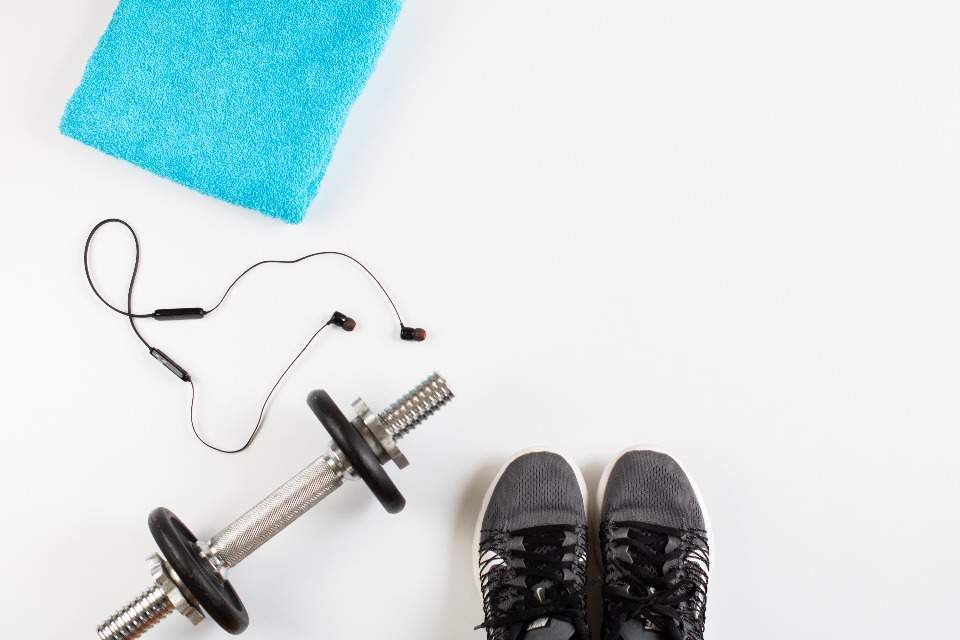
Resistance training two to four times a week tells the body that muscle is needed. Studies comparing dieting with and without strength training consistently show far better muscle retention with it. Focus on compound movements such as squats, presses, rows and deadlifts, and try to keep the weights you use stable or rising. See natural muscle building.
Rule 2: prioritise protein
| Body weight | Daily protein target (1.6 to 2.4 g/kg) |
|---|---|
| 60 kg | About 95 to 145 g |
| 80 kg | About 130 to 190 g |
| 100 kg | About 160 to 240 g |
People with a lot of excess weight can base the target on their goal weight instead. Spread protein over three to five meals.
Rule 3: do not rush
A loss of about 0.5 to 1 percent of body weight per week protects muscle better than faster rates. Very low-calorie diets can cause rapid loss, but more of it is muscle and water, and they are harder to sustain.
Rule 4: sleep and stress
In one study, dieters sleeping five and a half hours lost much less fat and more lean mass than when they slept eight and a half hours on the same diet. Stress and poor sleep also increase hunger. See sleep and recovery.
Rule 5: use cardio wisely
Cardio helps increase the deficit and supports heart health, but excessive amounts can interfere with recovery from strength training. Daily walking is ideal, plus a couple of moderate cardio sessions. See cardio and muscle.
How to tell fat loss from muscle loss
- Strength: stable or slowly rising strength suggests muscle is being kept.
- Waist measurement: falling waist with stable limb size points to fat loss.
- Photos and fit of clothes: useful over months.
- Body composition scans: DEXA is the most accurate; bioimpedance scales are rough guides.
Older adults
After about 50, muscle is lost more easily and regained more slowly. Older dieters benefit from the higher end of the protein range, around 30 to 40 grams per meal, regular strength training and particular attention to vitamin D and calcium. A slower rate of loss is wise, as is checking with a doctor before starting a new exercise program.
Weight-loss medicines
GLP-1 medicines such as semaglutide can cause large weight loss, and a meaningful share can be lean mass. Strength training and high protein are particularly important for anyone using them. See GLP-1 weight-loss medicines.
If you finish a diet lifting the same weights you started with, you almost certainly kept your muscle.
Nutrition and fat lossA cutting diet that keeps muscleRead guide
Frequently asked questions
Can I build muscle while losing fat?
Beginners, returning lifters and people with more body fat often can, with strength training and high protein.
How much protein do I need while dieting?
Around 1.6 to 2.4 g per kg of body weight daily.
Will cardio burn my muscle?
Not in moderate amounts, especially alongside strength training and enough protein.
Educational information only. Nothing here is medical advice or a recommendation to use any product. Anabolic steroids are Schedule IV under the Controlled Drugs and Substances Act. Talk to a doctor and get bloodwork before and after using any compound.