

Training stimulates growth, but food supplies the building blocks. A good muscle-building meal plan is not complicated: enough calories to support a small surplus, plenty of protein spread through the day, carbohydrates to fuel training, and fats and produce for health. Here is how to build one with ordinary Canadian groceries.
- Aim for about 1.6 to 2.2 grams of protein per kilogram of body weight daily.
- A small surplus of roughly 250 to 500 calories a day supports muscle gain with limited fat.
- Three to five protein-rich meals spaced through the day work well.
- Whole foods should make up most of the plan; shakes fill gaps.
Step 1: set calories
Start by estimating maintenance calories, then add a small surplus. Weigh yourself several mornings a week and track the weekly average. If it is not rising by roughly 0.25 to 0.5 percent of body weight per week, add about 150 to 200 calories a day. See counting macros for how to estimate maintenance.
Step 2: set macros
| Macronutrient | Target | Main role |
|---|---|---|
| Protein | 1.6 to 2.2 g per kg body weight | Builds and repairs muscle |
| Fat | About 20 to 35 percent of calories | Hormones, health, flavour |
| Carbohydrates | The remaining calories | Fuels training and recovery |
A sample day (about 3,000 calories)
- Breakfast: 4 eggs scrambled with spinach, 2 slices whole-grain toast, a banana.
- Snack: Greek yogurt with oats, berries and a spoon of peanut butter.
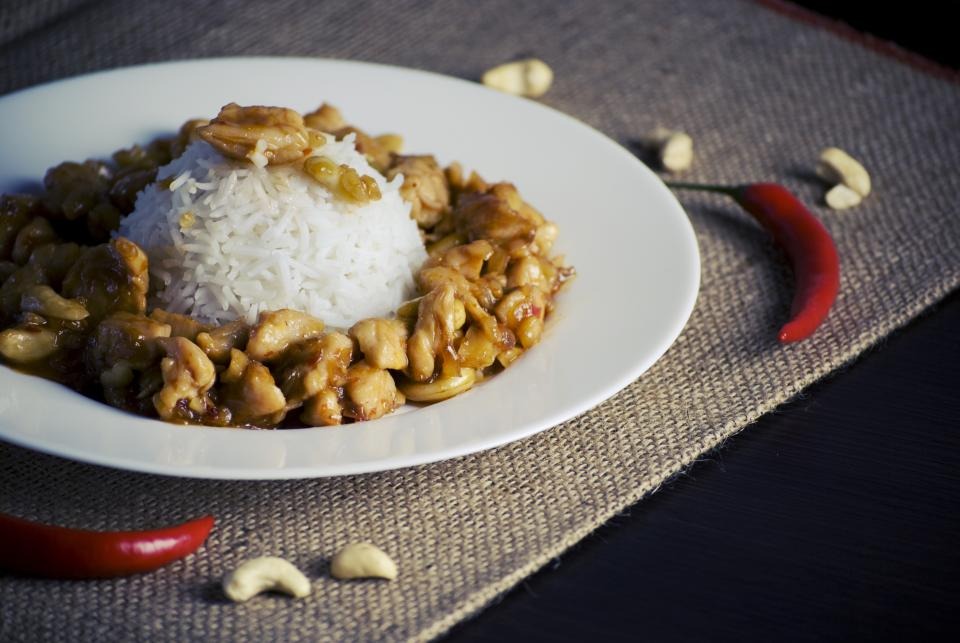
- Lunch: chicken breast, rice, mixed vegetables, olive oil.
- Pre-workout: a bagel with cream cheese or a wrap with turkey.
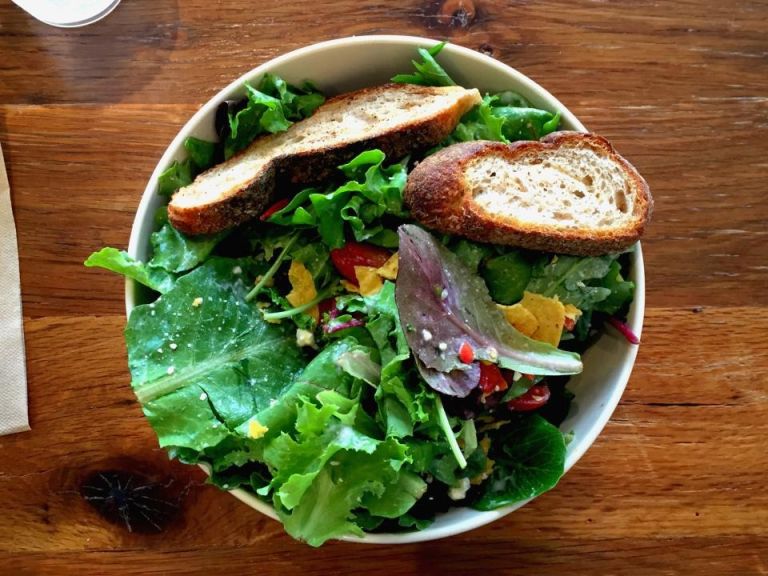
- Dinner: salmon or lean beef, potatoes, a large salad.
- Evening: cottage cheese with fruit or a casein shake.
This provides roughly 180 to 200 grams of protein. Scale portions up or down to match your calorie target.
Canadian staples on a budget
- Protein: eggs, chicken thighs, canned tuna and salmon, lean ground beef, milk, Greek yogurt, cottage cheese, lentils.
- Carbohydrates: oats, rice, potatoes, pasta, whole-grain bread, frozen fruit.
- Fats: peanut butter, canola and olive oil, nuts, cheese.
- Produce: frozen vegetables and berries are cheap and nutritious through winter.
Meal timing
Total daily protein matters most, but spreading it into meals of roughly 25 to 50 grams helps. A protein-rich meal within a few hours before and after training, and one before bed, supports recovery. Carbohydrates before training help performance in hard sessions.
Cooking protein and carbohydrates in bulk twice a week makes hitting targets far easier. See meal prep for busy people.
Common mistakes
- Eating big on training days and too little on rest days; muscle grows on both.
- Too little protein at breakfast.
- Relying on fast food to hit calories, which crowds out fibre and micronutrients.
- Not adjusting as body weight changes.
Adjusting for body size
The sample day suits a lifter of roughly 80 to 90 kilograms. A lighter person might trim one snack and reduce rice and potato portions; a heavier or very active person might add a second pre-workout snack or a larger dinner. Keep the protein portions at each meal similar and change the carbohydrates and fats first, since those are the easiest levers to move calories up or down without losing structure.
Supplements
Whey protein and creatine monohydrate are the most useful, well-researched options. Most others are optional. See vitamin and mineral gaps in lifters.
Nutrition and fat lossMacronutrients for muscle growthRead guide
Frequently asked questions
How much protein do I need to build muscle?
About 1.6 to 2.2 grams per kilogram of body weight a day suits most lifters.
Do I need to eat six meals a day?
No. Three to five meals with enough protein works just as well.
Can I build muscle without a surplus?
Beginners and people returning to training can, but a small surplus speeds gains for most.
Educational information only. Nothing here is medical advice or a recommendation to use any product. Anabolic steroids are Schedule IV under the Controlled Drugs and Substances Act. Talk to a doctor and get bloodwork before and after using any compound.