

Hard training creates short-term inflammation that is part of how muscles adapt. Chronic, low-grade inflammation is different: it is linked with poor recovery, joint pain, heart disease and insulin resistance. Diet is one of the most powerful levers for keeping that background inflammation low, without blunting the useful signals from training.
- Short-term inflammation after training is normal and helps adaptation.
- Chronic inflammation is linked with poor diet, excess body fat, poor sleep and stress.
- Diets rich in fish, fruit, vegetables, olive oil, nuts and whole grains are associated with lower inflammation markers.
- Very high doses of antioxidant supplements may blunt training gains.
Two kinds of inflammation
After a hard session, damaged muscle fibres attract immune cells and signalling molecules that clean up and trigger repair. This acute inflammation resolves within days. Chronic inflammation lingers at a low level for months or years, driven by factors such as excess visceral fat, smoking, poor sleep, highly processed diets and, for some, anabolic steroid use, which can affect cholesterol and blood vessel health.
Foods that help
| Food | Key compounds | Easy ways to eat it |
|---|---|---|
| Salmon, sardines, mackerel, trout | Omega-3 fats EPA and DHA | Two servings a week |
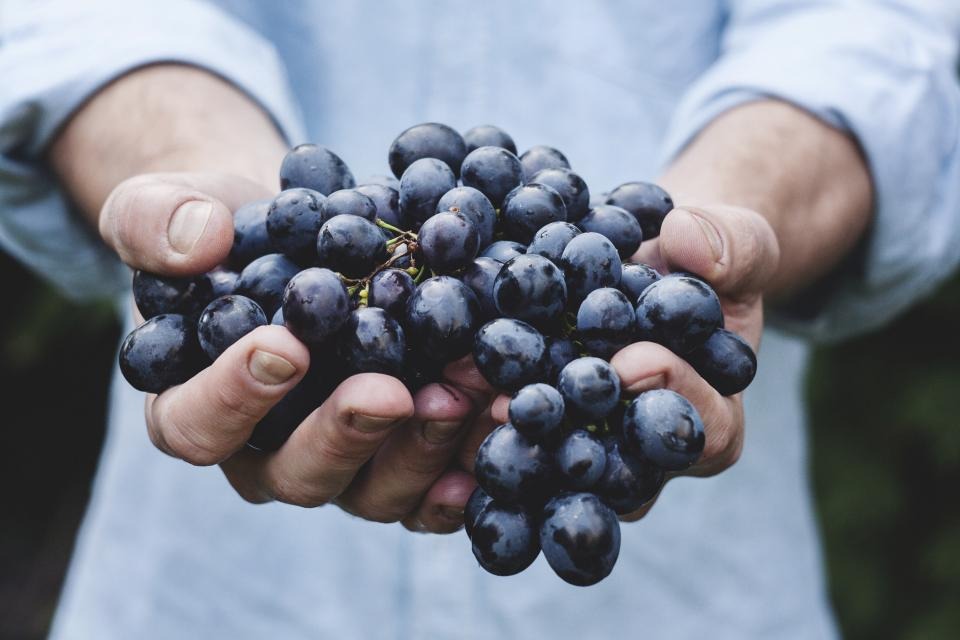
| Berries | Polyphenols, anthocyanins | Frozen in oats or yogurt |
| Extra virgin olive oil | Polyphenols, monounsaturated fat | Salads, cooking |
| Leafy greens and cruciferous vegetables | Fibre, vitamins, antioxidants | Side with every dinner |
| Nuts and seeds | Healthy fats, magnesium | A handful as a snack |
| Legumes and whole grains | Fibre for gut health | Lentil soup, oats, barley |
| Turmeric and ginger | Curcumin, gingerols | Curries, teas, smoothies |
Foods to limit
- Heavily processed meats and fried fast food.
- Sugary drinks and refined snacks in large amounts.
- Excess alcohol.
- Large amounts of trans fats, which are now largely banned in Canadian foods.
Omega-3s for lifters
Omega-3 fats from fish are among the best-studied anti-inflammatory nutrients. They support heart health and may modestly reduce muscle soreness. People who do not eat fish regularly may consider a fish oil or algae oil supplement; speak to a doctor if you take blood thinners. See vitamin and mineral gaps.
Do not overdo antioxidants
Studies of high-dose vitamin C and E supplements found they can blunt some training adaptations, possibly by dampening the signals that trigger them. Getting antioxidants from food does not seem to cause this problem. Reserve high-dose anti-inflammatory strategies for competition periods when quick recovery matters most. The same logic applies to ice baths. See cold plunges and muscle growth.
A sample anti-inflammatory day
- Breakfast: oats with berries, walnuts and Greek yogurt.
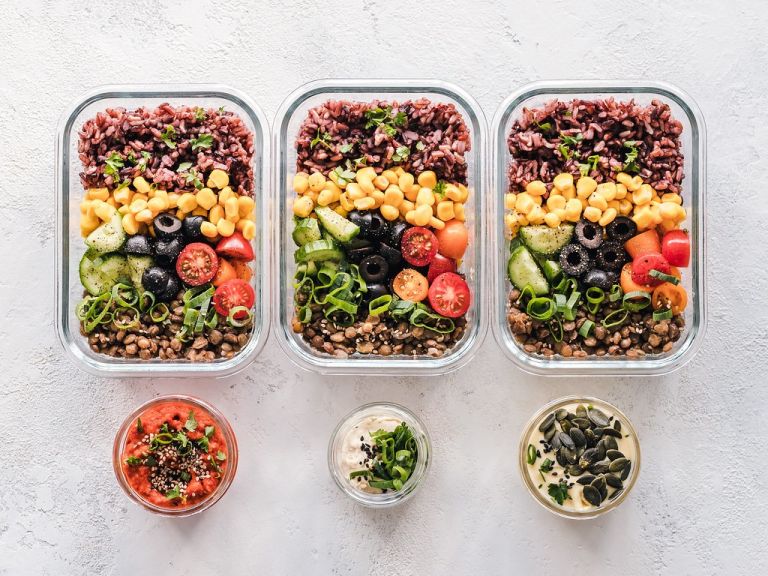
- Lunch: lentil and vegetable soup with whole-grain bread.
- Snack: apple and a handful of almonds.
- Dinner: baked salmon, roasted sweet potatoes and broccoli with olive oil.
- Evening: ginger or turmeric tea.
Eating this way in Canada
Canadian lake trout, Atlantic mackerel and canned sockeye salmon are good omega-3 sources. Wild blueberries from Quebec and the Maritimes are sold frozen year round. Canola oil, grown on the prairies, is rich in omega-3 ALA and is an affordable alternative to olive oil for cooking.
Beyond diet
Sleep, healthy body fat levels, regular cardio and not smoking lower chronic inflammation as much as food does. For lifters using anabolic steroids, watching blood pressure and cholesterol and taking time off between cycles also matters. See steroids and your heart.
No single food fixes inflammation. A consistent Mediterranean-style pattern of eating does far more than any powder or juice.
Nutrition and fat lossRecovery drinks that workRead guide
Frequently asked questions
Should lifters avoid inflammation completely?
No. Short-term inflammation after training helps adaptation. The goal is to limit chronic inflammation.
Does turmeric help recovery?
Curcumin may modestly reduce soreness, but absorption is poor and effects are small.
Is fish oil worth taking?
For people who rarely eat oily fish, it is a reasonable choice for heart health and recovery.
Educational information only. Nothing here is medical advice or a recommendation to use any product. Anabolic steroids are Schedule IV under the Controlled Drugs and Substances Act. Talk to a doctor and get bloodwork before and after using any compound.