

After a hard session, your body needs fluid, protein and, depending on the training, carbohydrates. Recovery drinks can deliver all three conveniently. But many products on store shelves are expensive sugar water with marketing attached. Here is what actually helps, and what you can make for a fraction of the price.
- Most lifters need fluid and 20 to 40 grams of protein after training.
- Carbohydrates matter most if you train again within 24 hours or did long endurance work.
- Plain milk and chocolate milk are cheap, effective recovery drinks.
- Electrolyte drinks help after long, sweaty sessions, not short gym workouts.
What recovery needs
- Fluid: to replace sweat losses.
- Protein: to support muscle repair and growth.
- Carbohydrates: to refill muscle glycogen.
- Electrolytes: mainly sodium, lost in sweat.
The main options compared
| Drink | Strengths | Best for |
|---|---|---|
| Whey protein shake | Fast, high-quality protein | Most lifting sessions |
| Chocolate milk | Protein, carbohydrates, fluid, sodium | Hard sessions, two-a-days, endurance |
| Plain milk or soy milk | Protein and fluid, cheap | General recovery |
| Electrolyte drink | Fluid and sodium | Long, hot, sweaty sessions |
| Tart cherry juice | Polyphenols; may reduce soreness | Competition periods |
| Commercial “recovery” drinks | Convenient | Often overpriced |
Chocolate milk: the cheap classic
Several studies found chocolate milk as effective as commercial recovery drinks for endurance athletes. It supplies about 8 to 9 grams of protein per cup, carbohydrates to refill glycogen, fluid and sodium. Two cups after a hard session is a simple, inexpensive option, especially for athletes training twice a day.
Protein shakes
For most gym sessions, a whey protein shake made with water or milk does the job. Around 20 to 40 grams of protein is enough; larger doses may help after full-body sessions or for bigger lifters. Plant blends of pea and rice protein work well for people avoiding dairy. See high-protein vegan eating.
Electrolytes
A normal hour of lifting in a cool gym does not need a sports drink; water and your next meal cover it. Long sessions, hot conditions, heavy sweaters and endurance training are different. If your clothes show salt stains, add some sodium after training. Drinks with excessive caffeine are not recovery drinks.
Tart cherry juice and other extras
Tart cherry juice has some evidence for reducing soreness and supporting sleep, mostly in athletes during heavy competition periods. It is not essential for everyday lifters. The anti-inflammatory benefit may slightly interfere with training adaptations if used constantly. See anti-inflammatory foods.
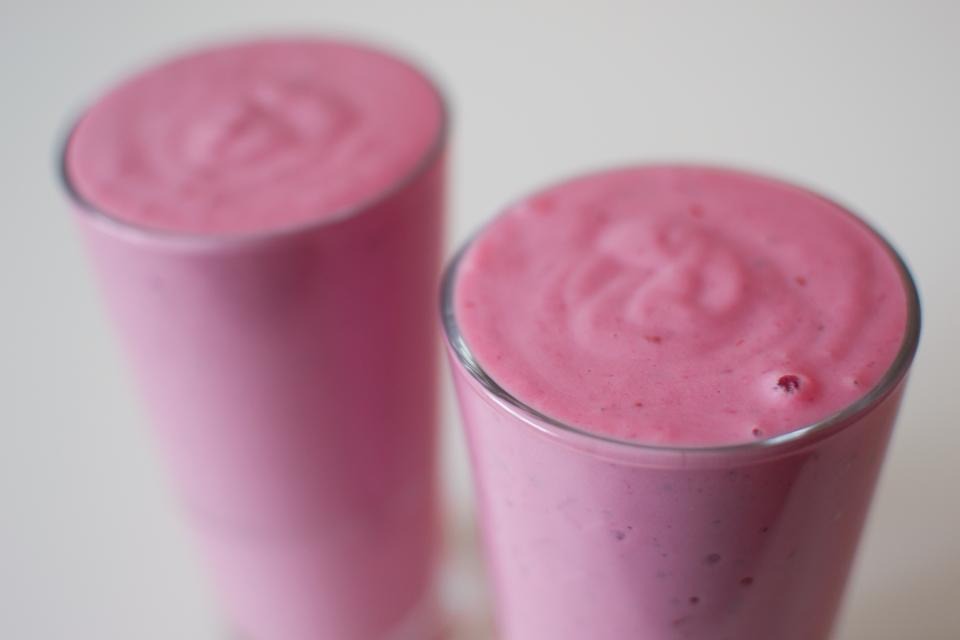
Simple homemade recovery shake
- 1 cup milk or soy milk
- 1 scoop whey or plant protein
- 1 banana or a handful of frozen berries
- 1 tablespoon oats or honey for extra carbohydrates
- A pinch of salt after very sweaty sessions
If you eat a protein-rich meal within a couple of hours after training, a recovery drink is optional. Drinks are about convenience, not magic.
How much to drink
A practical way to judge fluid needs is to weigh yourself before and after a long session. Each kilogram lost is roughly a litre of fluid; drinking about one and a half times that over the next few hours restores balance. Pale yellow urine is a good everyday sign that you are well hydrated.
What to skip
Alcohol after training reduces muscle protein synthesis and impairs rehydration. Energy drinks add stimulants, not recovery. Be wary of products with long ingredient lists and proprietary blends.
Nutrition and fat lossBCAAs: do lifters need them?Read guide
Frequently asked questions
Is chocolate milk good after a workout?
Yes. It provides protein, carbohydrates, fluid and sodium, and studies support it as a recovery drink.
How soon after training should I drink a protein shake?
Within a couple of hours is fine. Total daily protein matters more than exact timing.
Do I need electrolytes after lifting?
Usually not for normal gym sessions. They help after long, hot or very sweaty workouts.
Educational information only. Nothing here is medical advice or a recommendation to use any product. Anabolic steroids are Schedule IV under the Controlled Drugs and Substances Act. Talk to a doctor and get bloodwork before and after using any compound.