

Cold plunges have gone from elite sports locker rooms to backyards across Canada. They feel great and may help with soreness, but research suggests that regular ice baths right after strength training can reduce muscle growth. The answer to whether you should use them depends on your goal and your timing.
- Cold water immersion can reduce muscle soreness and perceived fatigue after hard exercise.
- Studies found that regular cold immersion right after lifting blunted gains in muscle size and strength.
- For athletes needing quick recovery between events, cold can be useful; for muscle growth, timing matters.
- Cold exposure is a strain on the heart and is not safe for everyone.
What cold does to the body
Cold water constricts blood vessels in the skin and muscles, lowers tissue temperature and triggers a surge of adrenaline and noradrenaline. People often feel alert and energised afterwards. Reduced blood flow and temperature may also limit inflammation and swelling after damaging exercise, which is why soreness can feel lower.
The muscle-growth problem
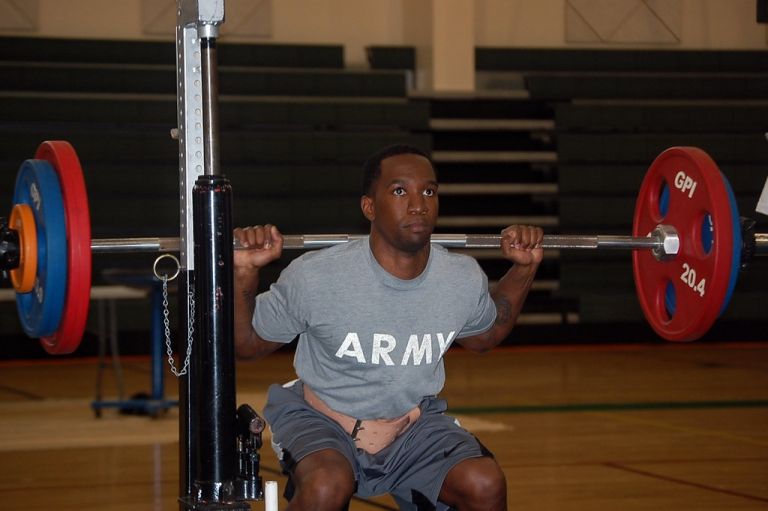
Inflammation and the signalling that follows a hard workout are part of how muscles adapt. In controlled studies, people who sat in cold water after every strength session for several months gained less muscle and strength than people who did an active cool-down instead. Laboratory work suggests cold reduces the activation of pathways involved in building new muscle protein.
When cold makes sense
- During competitions or tournaments, when recovering for the next event matters more than long-term adaptation.
- After endurance sessions, where the effect on muscle growth is less relevant.
- On rest days, or well separated from strength training, for the mental and mood benefits.
Timing for lifters
| Goal | Approach |
|---|---|
| Maximum muscle growth | Avoid cold immersion within a few hours after lifting |
| Quick recovery between competitions | Cold immersion can help |
| General well-being and alertness | Morning or rest-day cold exposure |
| Soreness relief | Light activity, sleep and food work too |
Safety
Sudden cold causes a gasp reflex and spikes heart rate and blood pressure. That strain is significant for anyone with heart disease, high blood pressure or rhythm problems, and for people using anabolic steroids or stimulants, which already raise cardiovascular load.
Never plunge alone, avoid alcohol, keep the first exposures short, get out if you feel numb, confused or start shivering uncontrollably, and talk to a doctor first if you have heart or blood pressure problems. Open Canadian lakes and rivers carry extra risks of cold shock and drowning.
Getting started safely
If you want to try cold exposure, start with a cool shower at the end of your normal one and lengthen it gradually over a few weeks. For a plunge, begin at the milder end of the temperature range for a minute or two, breathe slowly through the first gasp, and keep your head out of the water. Warm up afterwards with dry clothes and gentle movement rather than a scalding shower. Two or three short sessions a week are plenty for the mood and alertness benefits most people are after.
Heat instead?
Saunas are popular in Canada too. Regular sauna use has been associated with cardiovascular benefits in observational studies, and heat does not appear to blunt muscle growth the way cold does. Stay hydrated, avoid alcohol and be careful with blood pressure medications.
The basics still win
Sleep, enough food and protein, sensible training loads and deload weeks do more for recovery than any temperature trick. See sleep and recovery and tracking recovery.
Training and recoveryDeep sleep, recovery and hormonesRead guide
Frequently asked questions
Do ice baths kill gains?
Regular cold immersion straight after lifting can reduce muscle growth. Separating it from training limits that effect.
How cold should a cold plunge be?
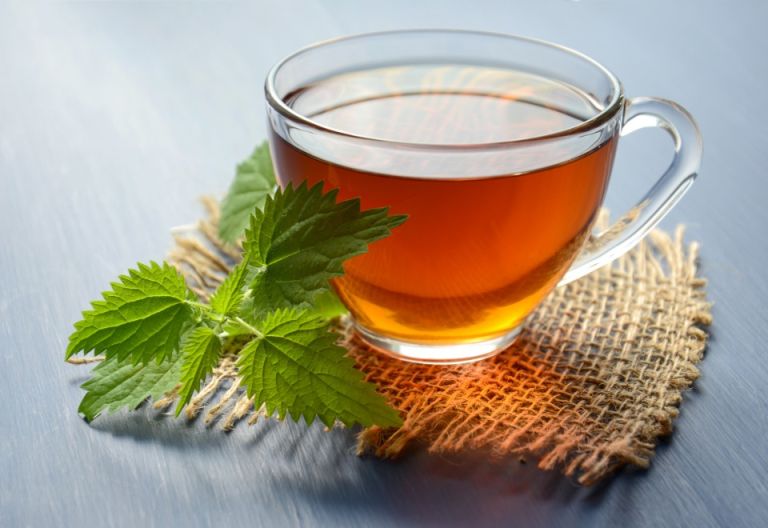
Studies commonly used around 10 to 15 degrees Celsius. Colder is not necessarily better and adds risk.
Is a sauna better than a cold plunge for lifters?
Heat does not appear to blunt muscle growth and may offer cardiovascular benefits, with sensible precautions.
Educational information only. Nothing here is medical advice or a recommendation to use any product. Anabolic steroids are Schedule IV under the Controlled Drugs and Substances Act. Talk to a doctor and get bloodwork before and after using any compound.