




Anabolic steroids have a genuine medical history in recovery: helping burn patients regain weight, reducing muscle loss in serious illness and supporting healing after some injuries. Those findings are often stretched online to suggest steroids speed up recovery from everyday gym injuries. Here is what the evidence actually supports.
- The strongest human evidence comes from severe burns and muscle wasting, not sports injuries.
- Animal and early human studies suggest androgens may help muscle recover after some tendon and rotator cuff injuries.
- Steroids can mask pain and let people load injured tissue too soon.
- Rehabilitation, loading progressions and time remain the core of recovery.
Where the evidence is strongest
Severe burns
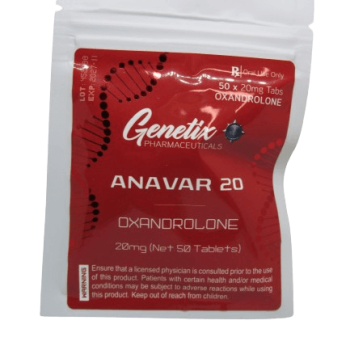
Randomised trials in severely burned patients found that oxandrolone improved lean body mass, wound healing and length of hospital stay. Severe burns cause extreme muscle breakdown, so preserving muscle has a large effect on recovery. See our oxandrolone guide.
Muscle wasting
Testosterone and other androgens have been studied in HIV-related wasting, chronic lung disease, cancer-related weight loss and older adults recovering from hip fracture. Results generally show gains in lean mass, with more modest and inconsistent effects on function.
Musculoskeletal injuries
Laboratory studies suggest nandrolone may reduce muscle wasting and fat infiltration after rotator cuff tears, and small human studies have explored this. Androgens also increase collagen synthesis. However, there are no large trials showing faster return to sport after common injuries such as sprains, strains or tendinopathy in healthy athletes.
The risks in an injury setting
- Masked pain: feeling better can lead to loading healing tissue too early.
- Muscle outpacing tendon: stronger muscle pulling on a recovering tendon raises re-injury risk; see tendons and joints.
- Usual steroid risks: cholesterol, blood pressure, hematocrit, suppression and mood.
- Surgery and clotting: higher hematocrit can add to clot risk after surgery or immobilisation.
Steroid use affects surgical planning, anaesthesia, clotting risk and how quickly tissue should be loaded. They need to know.
What speeds recovery reliably
- Early, appropriate assessment: some injuries, such as tendon ruptures, need surgery within weeks.
- Progressive rehabilitation: carefully increasing load is the most important factor for tendons and muscles.
- Protein and energy: enough calories and protein support repair; under-eating slows it.
- Sleep: tissue repair and growth hormone release depend on it; see sleep and recovery.
- Not smoking: smoking slows healing of bone, tendon and wounds.
- Patience: tendons and ligaments remodel over months.
Peptides and recovery claims
Research peptides such as BPC-157 and TB-500 are widely promoted for injury recovery. Most evidence comes from animal studies; human trials are lacking, and none is approved as a medicine. See research peptides explained.
Nutrition while injured
Many people cut calories when they cannot train, worried about gaining fat. During healing, the body actually needs adequate energy and protein to repair tissue, and under-eating speeds muscle loss in the injured limb. Eating close to maintenance, keeping protein high and training the uninjured parts of the body helps preserve muscle while the injury recovers.
The honest bottom line
For serious illness and severe burns, androgens have proven medical value under supervision. For typical gym injuries, the evidence for faster recovery is weak, and the risks of loading too early are real. Good rehabilitation does most of the work.
Health and bloodworkTendons and joints on steroidsRead guide
Frequently asked questions
Do steroids heal injuries faster?
There is good evidence in burns and muscle wasting, but not for faster recovery from typical sports injuries.
Is Deca good for injuries?
It increases collagen production and may ease joint pain, but feeling better is not the same as being healed.
Should I train through an injury on steroids?
No. Masked pain increases the risk of re-injury. Follow a rehabilitation plan.
Educational information only. Nothing here is medical advice or a recommendation to use any product. Anabolic steroids are Schedule IV under the Controlled Drugs and Substances Act. Talk to a doctor and get bloodwork before and after using any compound.