


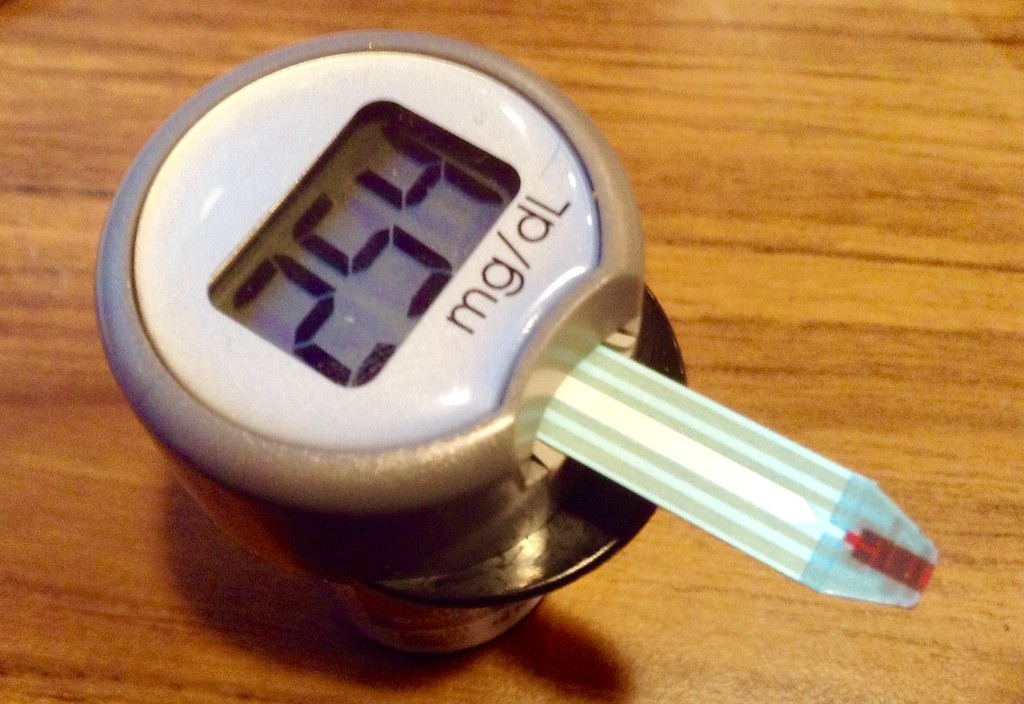
Insulin is sometimes described in bodybuilding as the most anabolic hormone there is. It is also the one most likely to kill someone quickly. Unlike anabolic steroids, whose harms build over months and years, an insulin mistake can lead to unconsciousness and death within hours. This guide explains why, so the risk is clear.
- Insulin drives glucose and amino acids into cells, which is why some bodybuilders misuse it.
- Too much insulin causes hypoglycemia: blood sugar falls so low the brain stops working properly.
- Severe hypoglycemia can cause seizures, coma, permanent brain injury and death, sometimes during sleep.
- Insulin for anyone without diabetes is a risk with no safety margin; it is one line not to cross.
What insulin does
After a meal, the pancreas releases insulin. It signals muscle, fat and liver cells to take up glucose from the blood, store it as glycogen or fat, and take up amino acids. It also slows muscle breakdown. For people with diabetes, injected insulin replaces what their body cannot make, with doses carefully matched to food and activity, plus glucose monitoring and training in what to do when sugar runs low.
Why bodybuilders misuse it
The appeal is the idea of pushing more nutrients into muscle and gaining size faster. Some users combine it with growth hormone and steroids. The evidence that this produces meaningfully more muscle in non-diabetic people is thin; what it reliably produces is fat gain and a constant risk of hypoglycemia.
How hypoglycemia unfolds
The brain runs almost entirely on glucose. When blood sugar falls, early symptoms include shakiness, sweating, a pounding heart, hunger, anxiety and irritability. As it falls further, confusion, slurred speech, blurred vision, odd behaviour and drowsiness follow. Severe hypoglycemia causes seizures and loss of consciousness. People can deteriorate quickly, and symptoms can be mistaken for drunkenness or exhaustion. Hypoglycemia during sleep may produce no warning at all.
Confusion, inability to swallow, seizures or unresponsiveness after insulin use is a medical emergency. Call 911. If the person is awake and can swallow safely, sugar by mouth may help while help is on the way.
Why it is so unforgiving
- Small errors, big effects: a misread syringe or a skipped meal can cause severe lows.
- Unit confusion: insulin is measured in units, and different concentrations exist.
- Exercise lowers blood sugar further, sometimes hours after training.
- Alcohol blocks the liver’s ability to release glucose, making lows more likely and more severe.
- Training alone or sleeping alone means nobody notices the warning signs.
Other risks
Repeated lows can blunt the body’s warning symptoms over time, making future episodes more dangerous. Insulin also promotes fat storage, low potassium in some situations, and weight gain that is mostly fat in people without diabetes.
Insulin sensitivity: the safer goal
Many of the effects people want from insulin can be pursued safely by improving the body’s own insulin sensitivity: regular resistance training, cardio, adequate sleep, lower body fat and a diet built around whole foods with carbohydrates timed around training. Our guides to macronutrients for muscle and cutting without losing muscle cover the practical side.
Insulin syringes are not an endorsement
Insulin syringes are also used to measure small volumes of reconstituted peptides, which is why they are sold for that purpose. They are measured in units of volume. That has nothing to do with using insulin itself.
Health and bloodworkWarning signs that something is wrongRead guide
Frequently asked questions
Can insulin kill a healthy person?
Yes. Severe hypoglycemia can cause brain injury and death, and has killed bodybuilders.
What are the first signs of low blood sugar?
Shakiness, sweating, a racing heart, hunger and irritability, followed by confusion if it worsens.
Does insulin build muscle in non-diabetics?
Evidence for meaningful extra muscle is weak; fat gain and hypoglycemia risk are well established.
Educational information only. Nothing here is medical advice or a recommendation to use any product. Anabolic steroids are Schedule IV under the Controlled Drugs and Substances Act. Talk to a doctor and get bloodwork before and after using any compound.