

Peptides have become one of the most talked-about topics in fitness, often with claims that run far ahead of the evidence. This introduction explains what peptides are, what is actually known about the popular ones, and why “research peptide” is an honest label rather than a marketing term.
- Peptides are short chains of amino acids; many hormones, such as insulin and GLP-1, are peptides.
- Most peptides sold for research, such as BPC-157 and TB-500, have animal data but little or no human trial evidence.
- None of the common research peptides is approved by Health Canada for medical use.
- They come as freeze-dried powder that must be reconstituted and handled with sterile technique.
What a peptide is
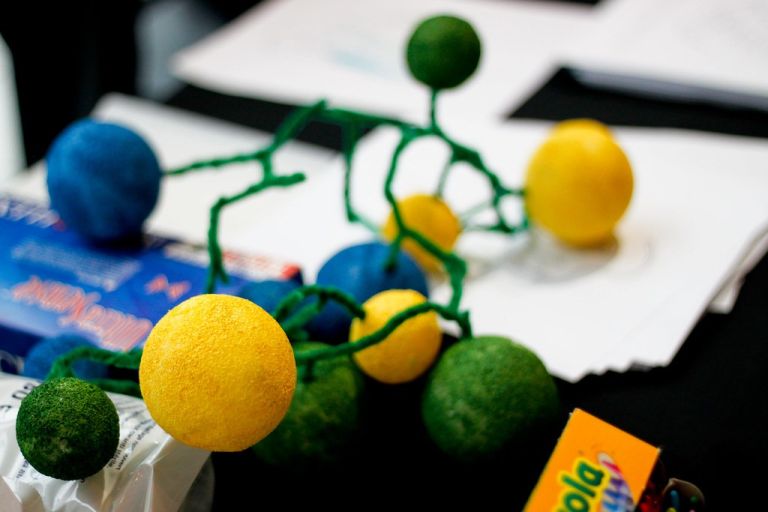
Proteins are long chains of amino acids folded into complex shapes. Peptides are shorter chains, usually under about 50 amino acids. The body uses many peptides as signals: hormones such as insulin, oxytocin and growth hormone-releasing hormone are peptides. Synthetic peptides either copy natural ones or are designed to act on specific receptors.
The popular research peptides
| Peptide | What it is | State of evidence |
|---|---|---|
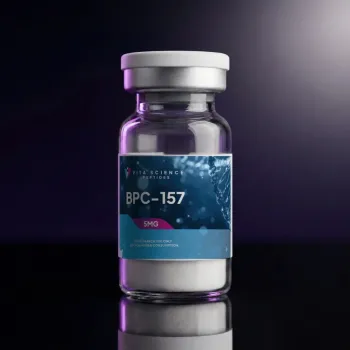
| BPC-157 | A fragment derived from a stomach protein | Many animal studies on tendon, gut and muscle healing; very little human data |
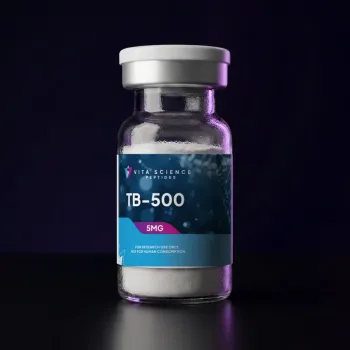
| TB-500 | A fragment of thymosin beta-4 | Animal and laboratory data on tissue repair; no approved use |
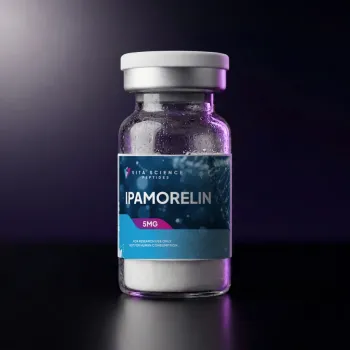
| Ipamorelin | Growth hormone secretagogue | Studied for post-surgical gut recovery; not approved |
| CJC-1295 | Growth hormone-releasing hormone analogue | Early human trials raised GH and IGF-1; development stopped |
| GHK-Cu | Copper peptide | Topical skin research; injectable use not studied in trials |
Why “research” matters
A medicine is approved after controlled trials show it works and is acceptably safe at a specific dose. Most research peptides never went through that process in humans, or stopped partway. That means there is no established human dose, no reliable side-effect profile and no long-term safety data. Animal results often fail to translate to people. Our product pages state plainly when there is no approved human dose.
Handling basics
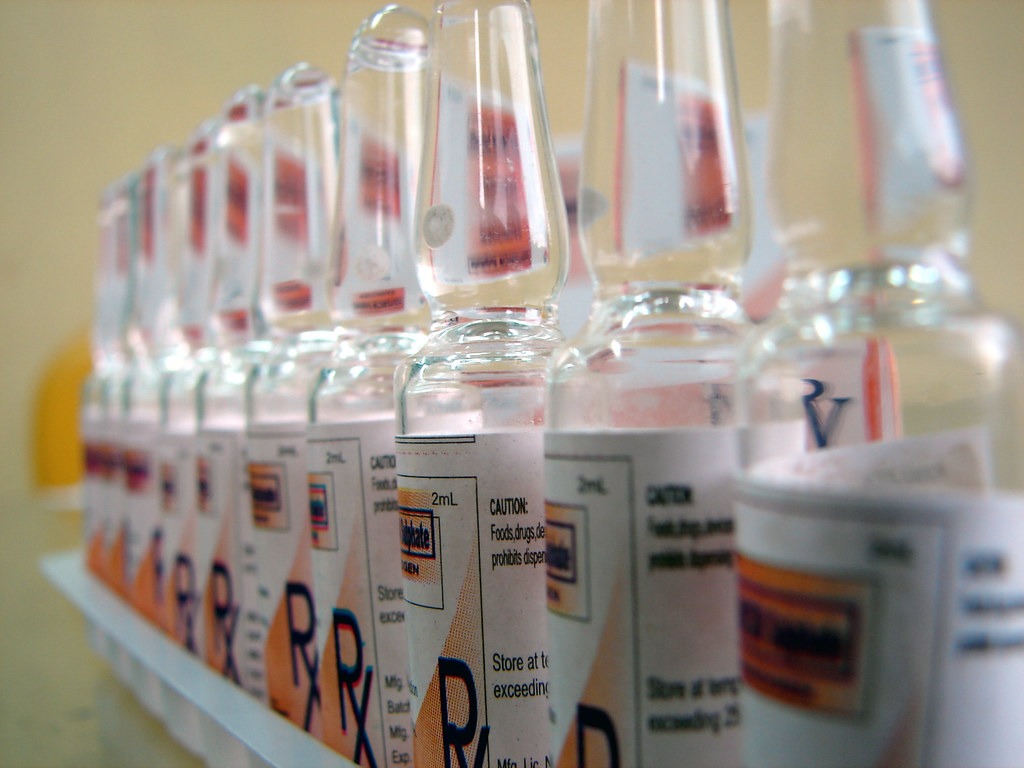
Research peptides are usually supplied as freeze-dried (lyophilised) powder, which is more stable than liquid. To use them in research, the powder is reconstituted with sterile bacteriostatic water, which contains a preservative to limit bacterial growth. Small volumes are measured with insulin syringes, which are marked in units of volume (100 units = 1 ml). Reconstituted peptides are usually kept refrigerated.
Swab vial stoppers, use a new sterile syringe each time, never share vials, and discard anything cloudy or discoloured. Injection-site infections are the most common problem with peptides.
How to read peptide claims
Peptide marketing often cites studies without saying they were in rats, in cell cultures or in a handful of people. When you see a claim, ask three questions: was it tested in humans, how many people, and was there a control group? Most claims about injury healing, fat loss and anti-ageing fail at the first question. Honest sellers say so plainly; vague promises of “rapid healing” or “anti-ageing” without detail are a reason for caution.
Risks and unknowns
- Unknown long-term effects, particularly for peptides that affect growth signalling.
- Product quality and purity vary between sources.
- Growth-hormone-related peptides can raise blood sugar and cause fluid retention.
- All are prohibited in tested sport.
Canadian status
Health Canada has not authorised the common research peptides as drugs or natural health products, and has warned about unauthorised products marketed with health claims. They are not controlled substances under the CDSA. This is general information, not legal advice.
Vita Science, lyophilisedResearch peptidesBrowse
Frequently asked questions
Are research peptides safe?
There is not enough human data to say. That uncertainty is the main risk.
Does BPC-157 heal tendons?
Animal studies are promising, but human trials are lacking.
Why do peptides need bacteriostatic water?
It dissolves the powder and its preservative limits bacterial growth in a multi-use vial.
Educational information only. Nothing here is medical advice or a recommendation to use any product. Anabolic steroids are Schedule IV under the Controlled Drugs and Substances Act. Talk to a doctor and get bloodwork before and after using any compound.