




Harm reduction starts from a simple premise: some people will use anabolic steroids whatever the advice, so the goal is to lower the chance of serious harm. This guide gathers the most effective practical steps in one place. It is not encouragement to use anything, and no approach makes steroid use risk-free.
- Screening yourself out, if you have major risk factors, is the most effective harm reduction there is.
- Baseline and follow-up bloodwork plus home blood pressure catch most problems early.
- Sterile, single-use supplies prevent infections and blood-borne viruses.
- Fewer compounds, lower amounts, no oral stacks and real time off reduce cumulative harm.
1. Screen yourself honestly
Being under 21, having high blood pressure, heart disease, blood clots, liver or kidney disease, a hormone-sensitive cancer, bipolar disorder or psychosis, or planning a pregnancy are reasons not to start. A family history of early heart disease is a serious red flag.
2. Know your baseline
Get bloodwork before anything: hormones, CBC with hematocrit, lipids, liver and kidney markers, and PSA for men over 40. Take a week of home blood-pressure readings. Our before-you-start checklist lists everything.
3. Keep it simple
One compound at a time makes side effects traceable. Combining several, especially multiple oral 17-alpha-alkylated compounds, multiplies liver and cholesterol strain.
4. Lower is safer
Most side effects rise with amount: hematocrit, blood pressure, HDL suppression, mood effects and suppression. The extra benefit from higher amounts shrinks while the risk keeps growing. See why escalation is a trap.
5. Inject cleanly
- Wash hands, swab the vial stopper and the skin.
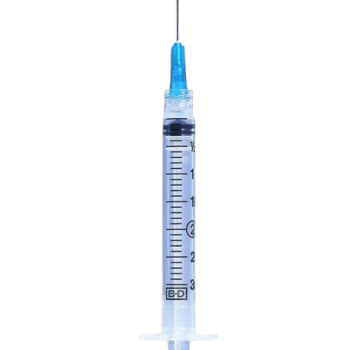
- Use a new sterile needle and syringe every time, including when drawing up.
- Never share needles, syringes or vials.
- Rotate sites and watch for infection.
- Dispose of sharps in a proper container.
Details: injection hygiene and needle disposal in Canada.
6. Monitor while using
Check blood pressure weekly at home, repeat bloodwork part-way through, and keep honest notes on sleep and mood. Agree in advance what results will make you stop.
7. Avoid risky add-ons
Insulin carries a risk of fatal hypoglycemia; see why insulin is so dangerous. Diuretics can cause dangerous electrolyte shifts. Stimulants and thyroid hormone add to heart strain. Alcohol adds to liver strain from orals.
Chest pain, stroke symptoms, severe breathlessness, jaundice, a hot spreading injection-site infection, or thoughts of harming yourself need urgent care. In Canada, 911 for emergencies and 988 for suicide crisis support.
8. Plan the stop
Know how long your compounds take to clear, schedule recovery bloodwork, and prepare for the dip in mood and energy that can follow. See why time off matters.
Keep a simple log
A notebook or phone note with dates, what you took, blood pressure readings, sleep quality, mood and any side effects turns vague impressions into evidence. When something goes wrong, it shows what changed and when, which is exactly what a doctor needs to help.
9. Involve a doctor
Telling a family doctor is confidential and lets them interpret tests correctly. Some regions have harm-reduction services that offer supplies and advice without judgement.
10. Know your product
Counterfeit and contaminated products are a real risk in unregulated markets. Check labels, seals, batch numbers and expiry dates, and buy from sellers that answer questions; see spotting counterfeits.
Health and bloodworkBefore you start: the full checklistRead guide
Frequently asked questions
Is there a safe way to use steroids?
No use is risk-free. Harm reduction lowers the chance of serious harm; it does not remove it.
What is the single most important step?
Baseline bloodwork and blood pressure, because they make every later problem visible.
Where can I get sterile supplies?
Pharmacies and many harm-reduction programmes in Canada provide needles, syringes and sharps containers.
Educational information only. Nothing here is medical advice or a recommendation to use any product. Anabolic steroids are Schedule IV under the Controlled Drugs and Substances Act. Talk to a doctor and get bloodwork before and after using any compound.