





Testosterone replacement therapy and steroid cycles can involve the very same vial of testosterone, yet they are different things. One aims to restore normal levels in men whose bodies cannot make enough, under medical monitoring. The other aims for levels well above normal to change performance or appearance. Here is how they compare.
- TRT treats diagnosed hypogonadism: low testosterone on repeated morning tests plus symptoms.
- The goal of TRT is mid-normal blood levels; cycles usually aim far above normal.
- TRT includes regular monitoring of hematocrit, PSA, lipids and symptoms.
- TRT is usually long term; stopping returns men to their low baseline.
What TRT is
Hypogonadism means the body makes too little testosterone, either because the testes are failing or because the pituitary is not signalling them. In Canada, doctors diagnose it with at least two morning blood tests showing low testosterone, plus symptoms such as low libido, erectile problems, fatigue or loss of muscle and bone. They also look for causes, which can include pituitary problems, medications, obesity or past steroid use. Treatment options include injections, gels and oral testosterone undecanoate.
How a steroid cycle differs
A cycle typically uses testosterone, often with other anabolic steroids, at amounts that push levels well above the normal range for a period of weeks or months, followed by time off. Monitoring is often limited or absent. Risks such as high hematocrit, low HDL, high blood pressure and suppression are dose-dependent, so they are much more pronounced.
Side by side
| TRT | Steroid cycle | |
|---|---|---|
| Purpose | Treat diagnosed low testosterone | Performance or appearance |
| Target levels | Mid-normal range | Often several times normal |
| Compounds | Testosterone only | Often several |
| Monitoring | Hematocrit, PSA, lipids, levels | Often limited |
| Duration | Usually long term | Weeks to months, repeated |
| Fertility | Discussed; alternatives exist | Often overlooked |
Monitoring on TRT
Guidelines recommend checking testosterone levels and hematocrit a few months after starting and then regularly, along with PSA and a prostate assessment in men over 40, and watching blood pressure and lipids. If hematocrit rises too high, doctors reduce the dose, switch forms or pause treatment. That monitoring is what makes TRT comparatively safe.
Fertility on TRT
Testosterone therapy suppresses sperm production in the same way as cycles. Men who want children are usually offered other treatments, such as clomiphene or HCG, that raise their own testosterone without shutting down sperm. See fertility and anabolic steroids.
“TRT” that is not really TRT
Some people describe high-amount testosterone use as “TRT” or “cruising”. If levels sit well above normal, the risks are those of a cycle, not of therapy. The label does not change the biology.
Men whose natural production has not recovered after cycles sometimes end up needing long-term treatment. That is worth knowing before starting.
Forms of testosterone therapy
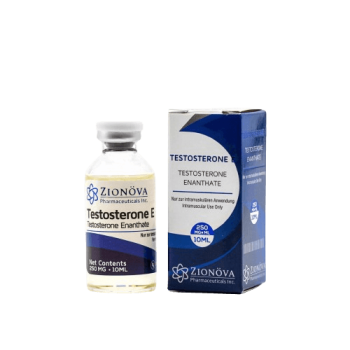
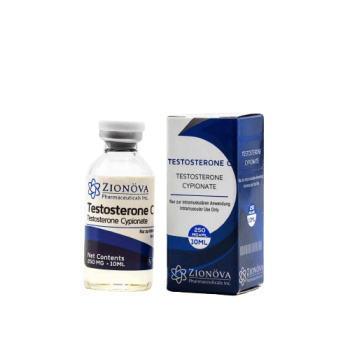
Injections of testosterone cypionate or enanthate, usually weekly or every two weeks, are common and inexpensive. Gels applied to the skin give steadier daily levels but can transfer to partners and children through skin contact, so hands and application sites need care. Oral testosterone undecanoate is taken with meals. Each form has trade-offs in convenience, cost, steadiness of levels and side effects, and the choice is made with the prescribing doctor.
What monitoring catches
The most common reason a doctor adjusts therapy is a rising hematocrit. Others include high estradiol with breast tenderness, rising PSA, worsening sleep apnea and blood pressure changes. Because these are checked routinely, they are usually caught early and managed by adjusting the dose or form, which is the key safety difference from self-directed use.
Getting assessed in Canada
A family doctor can order morning testosterone tests and assess symptoms. If levels are low, they may refer to an endocrinologist or urologist. Being honest about past steroid use helps them find the cause and choose the right treatment.
Compound guidesTestosterone enanthate explainedRead guide
Frequently asked questions
Is TRT safe?
For men with diagnosed low testosterone, monitored therapy has a reasonable safety record, though side effects such as high hematocrit need watching.
Can I stop TRT?
Yes, but levels usually return to the low baseline, and symptoms come back.
Is TRT the same as taking steroids?
It uses testosterone, but at normal levels with monitoring. Cycles aim much higher with far greater risk.
Educational information only. Nothing here is medical advice or a recommendation to use any product. Anabolic steroids are Schedule IV under the Controlled Drugs and Substances Act. Talk to a doctor and get bloodwork before and after using any compound.