


Testosterone enanthate is the injectable most people mean when they say “test”. It is the same hormone your body already makes, attached to a fatty-acid chain that slows its release from the muscle. This guide covers what that chain does, what the medical labels say, and what to watch in your bloodwork.
- Enanthate is testosterone with a seven-carbon ester; the ester controls how fast it leaves the injection site, not how strong it is.
- Its half-life is roughly four to five days, so blood levels rise and fall less sharply than with short esters.
- Medical labelling for low testosterone lists 50 to 400 mg every two to four weeks; most clinicians now use smaller, more frequent injections.
- The main risks are a high red-blood-cell count, estrogen-related side effects, lower HDL cholesterol and shutdown of your own production.
What the ester actually does
Plain testosterone injected into muscle would be cleared within hours. Esterifying it, or bonding it to a carboxylic acid, makes the molecule more fat-soluble, so it sits in the oil depot and seeps into the bloodstream over days. Once in the blood, enzymes called esterases cut the ester off and what remains is ordinary testosterone.
That has two practical consequences. First, enanthate is not a “different” steroid from cypionate or propionate: the hormone is identical, only the release curve changes. Second, by weight a vial of enanthate contains less testosterone than the number on the label suggests, because part of each milligram is the ester. Roughly 72 percent of testosterone enanthate by mass is testosterone itself.
Half-life and why injection frequency matters
Studies of single injections show testosterone levels peak within the first two or three days and fall back over the following week or two. A half-life of about four and a half days means that spacing injections far apart produces a peak followed by a slump. Many people feel that slump as low energy, poor sleep or mood dips, which is the main reason clinicians moved from every-two-weeks schedules to weekly or twice-weekly ones. Steadier levels also tend to mean steadier estradiol and fewer swings in red-cell production.
What the medical labels say
Testosterone enanthate is a prescription drug for men with confirmed hypogonadism, meaning low testosterone backed by repeated morning blood tests and symptoms. Prescribing information lists 50 to 400 mg every two to four weeks. Endocrine Society guidance prefers lower, regular amounts aimed at mid-normal blood levels. Those figures are medical reference points, not recommendations, and nothing on this site is a dosing plan.
A prescribing doctor checks testosterone, hematocrit and other markers at baseline, again after a few months and then yearly. Anyone using testosterone outside that setting takes on the same risks without the safety net, so baseline and follow-up bloodwork matter even more.
Side effects and how they show up
Red blood cells
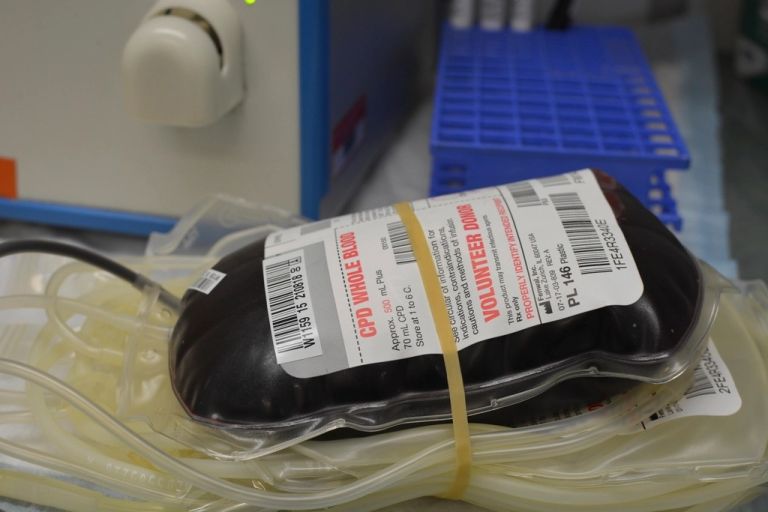
Testosterone stimulates red-cell production. A rising hematocrit thickens the blood and raises the risk of clots and strokes. It is one of the most common reasons doctors pause therapy, and it shows up on a routine complete blood count long before it causes symptoms.
Estrogen
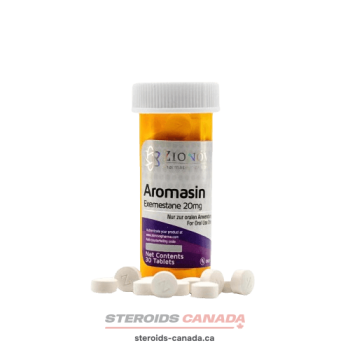
Some testosterone is converted to estradiol by the aromatase enzyme, especially in body fat. Too much can cause water retention, sore or swollen nipple tissue and gynecomastia. Too little is just as unpleasant: aching joints, low libido and flat mood. That is why an aromatase inhibitor such as exemestane is something to keep on hand only for confirmed high estradiol, not to take by default.
Cholesterol and blood pressure
Higher testosterone levels usually lower HDL, the protective cholesterol, and can nudge blood pressure up. Both are silent, so they need measuring: a lipid panel and a home blood-pressure cuff tell you far more than how you feel.
Your own production
Outside testosterone tells the pituitary to stop sending LH and FSH, so the testes slow down. Sperm counts drop and testicles can shrink. Recovery after stopping usually takes weeks to months and is not guaranteed after long use, which is why fertility deserves a conversation before, not after.
Bloodwork worth discussing with a doctor
| Test | Why it matters |
|---|---|
| Total and free testosterone | Shows where levels actually sit, rather than where you think they are. |
| Estradiol (sensitive assay) | Confirms whether estrogen symptoms are really estrogen. |
| CBC with hematocrit | Catches thickening blood early. |
| Lipid panel | Tracks HDL and LDL changes. |
| ALT, AST, creatinine | Liver and kidney baseline. |
| PSA (men over 40) | Prostate screening before and during use. |
Enanthate, cypionate or a blend?
Cypionate has an eight-carbon ester and a slightly longer half-life, but in practice the two are interchangeable. Blends such as Sustanon 250 mix fast and slow esters, which gives an early peak and a long tail. Propionate is the short ester that needs frequent injections. The choice is mostly about injection schedule and how your body tolerates the oil.
In stock in VancouverZionova Testosterone Enanthate 250 mg/mlView product
Canadian legal status
Testosterone and its esters are listed in Schedule IV of the Controlled Drugs and Substances Act. Simple possession of a Schedule IV substance is not an offence under that Act, but importing, exporting and trafficking are. This is general information, not legal advice.
Frequently asked questions
Is enanthate stronger than cypionate?
No. Both deliver the same hormone; enanthate releases slightly faster. Per milligram, cypionate contains a little less testosterone because its ester is heavier.
Why does my vial look cloudy in winter?
Steroid oils can crystallise in the cold. Warming the vial in your hand or warm water usually clears it. If crystals or cloudiness remain at room temperature, do not use it and contact the seller.
How long does one injection stay active?
Levels are highest in the first few days and mostly cleared within two to three weeks, which is why it takes around a month for a steady pattern to settle.
Do I need bloodwork if I feel fine?
Yes. High hematocrit, low HDL and raised blood pressure rarely cause symptoms until they cause problems.
Educational information only. Nothing here is medical advice or a recommendation to use any product. Anabolic steroids are Schedule IV under the Controlled Drugs and Substances Act. Talk to a doctor and get bloodwork before and after using any compound.