

Plant-based lifters can build muscle just as well as meat eaters. It simply takes a bit more planning: plant proteins tend to be less concentrated, slightly lower in leucine and less digestible than animal proteins. With the right foods and a little extra protein, those differences largely disappear.
- Aim for the upper end of the usual protein range, around 1.8 to 2.2 g per kg.
- Soy, seitan, lentils, beans, tempeh and pea protein are the best plant sources.
- Mixing sources through the day provides all the essential amino acids.
- Vitamin B12 is essential to supplement; check iron, zinc, iodine, calcium, vitamin D and omega-3.
Can vegans build as much muscle?
Studies comparing vegan and omnivorous diets with matched, adequate protein found similar gains in muscle size and strength over several months of training. The key is total protein and quality, not where it comes from. Soy protein and pea protein perform particularly well.
Top plant proteins
| Food | Approximate protein | Notes |
|---|---|---|
| Seitan | About 25 g per 100 g | Wheat gluten; not for celiac disease |
| Tempeh | About 19 g per 100 g | Fermented soy |
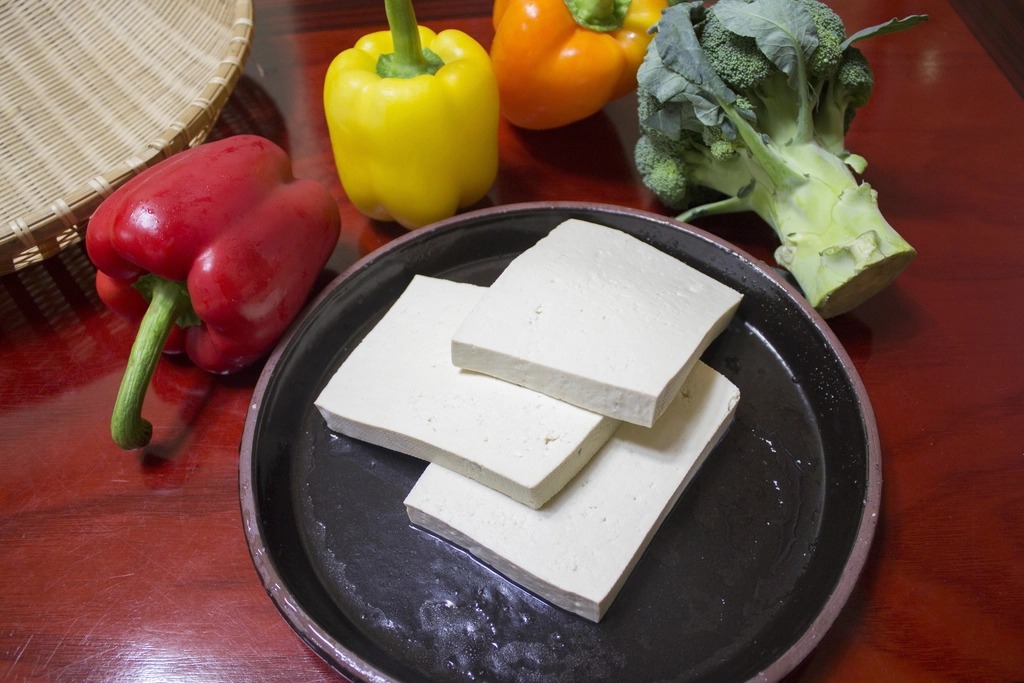
| Firm tofu | About 15 g per 100 g | Versatile, inexpensive |
| Lentils, cooked | About 18 g per cup | Also high in fibre and iron |
| Chickpeas and beans, cooked | About 12 to 15 g per cup | Canned are convenient |
| Edamame | About 18 g per cup | Great snack |
| Soy milk | About 7 to 8 g per cup | Choose fortified |
| Pea or soy protein powder | About 20 to 25 g per scoop | Easy way to hit targets |
Combining proteins
Most plant proteins are low in one or more essential amino acids; grains tend to be low in lysine, legumes in methionine. You do not need to combine them in the same meal. Eating a variety through the day, such as grains and legumes, gives you the full set. Pea-rice protein blends do this in one scoop.
Nutrients to watch
- Vitamin B12: not reliably available from plants; supplement or eat fortified foods.
- Iron: plant iron is less absorbed; pair with vitamin C-rich foods.
- Calcium and vitamin D: use fortified plant milks; consider vitamin D in Canadian winters.
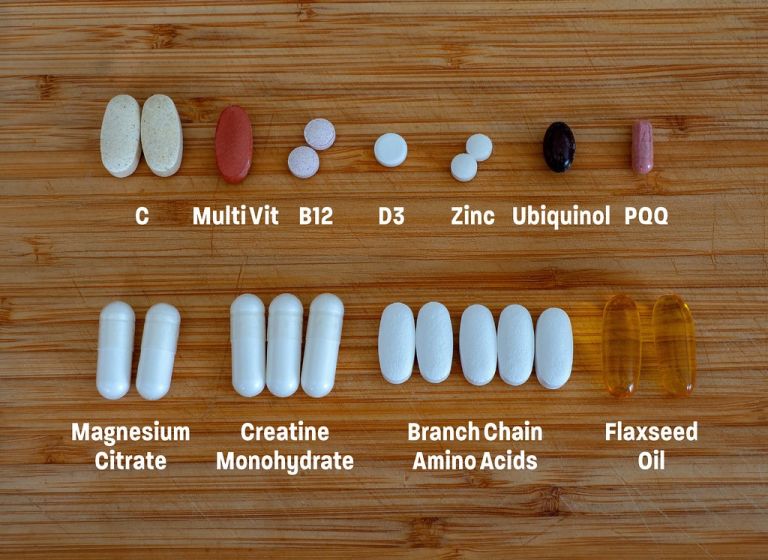
- Omega-3: algae oil provides EPA and DHA.
- Iodine and zinc: iodised salt, seeds, legumes and whole grains help.
A sample high-protein vegan day
- Breakfast: tofu scramble with vegetables, whole-grain toast and fortified soy milk.
- Lunch: lentil and quinoa bowl with chickpeas, greens and tahini.
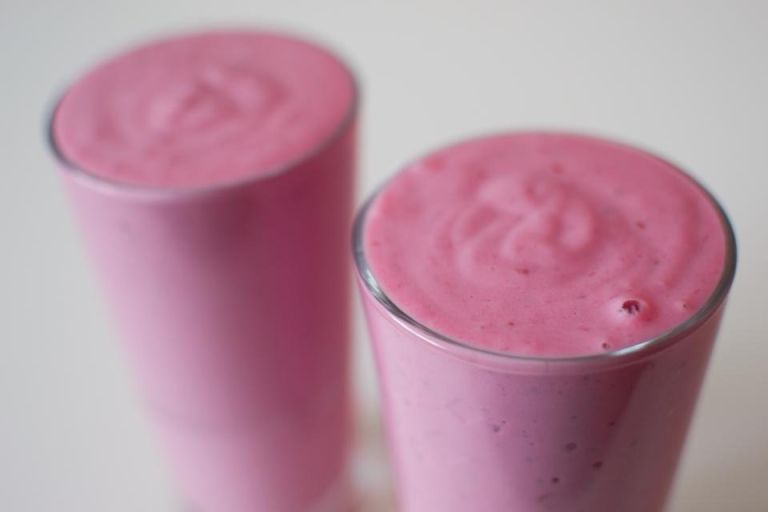
- Snack: pea protein shake with banana and peanut butter.
- Dinner: tempeh or seitan stir-fry with rice and broccoli.
- Evening: edamame or soy yogurt with seeds.
This provides roughly 140 to 160 grams of protein, suitable for many lifters. Adjust portions to your body weight and calorie needs.
Managing fibre and volume
Plant-based diets are high in fibre, which is healthy but very filling. During a bulk, that can make hitting calories difficult. Use calorie-dense foods such as nuts, nut butters, oils, dried fruit and protein powders, and include some refined grains such as white rice and pasta.
Canada is one of the world’s largest producers of lentils, peas and canola. Dried lentils and split peas are among the cheapest protein sources in any grocery store.
Creatine for vegans
Vegans have lower creatine stores, as creatine is found mostly in meat and fish. Creatine monohydrate is made synthetically and is vegan. Studies suggest vegetarians may respond especially well. See creatine vs steroids.
Nutrition and fat lossMacronutrients for muscle growthRead guide
Frequently asked questions
Is soy safe for men?
Yes. Research shows normal soy intake does not lower testosterone or raise estrogen in men.
Do vegans need more protein?
Slightly more is a sensible buffer, around 1.8 to 2.2 g per kg.
What is the best vegan protein powder?
Soy protein or a pea and rice blend gives a complete amino acid profile.
Educational information only. Nothing here is medical advice or a recommendation to use any product. Anabolic steroids are Schedule IV under the Controlled Drugs and Substances Act. Talk to a doctor and get bloodwork before and after using any compound.