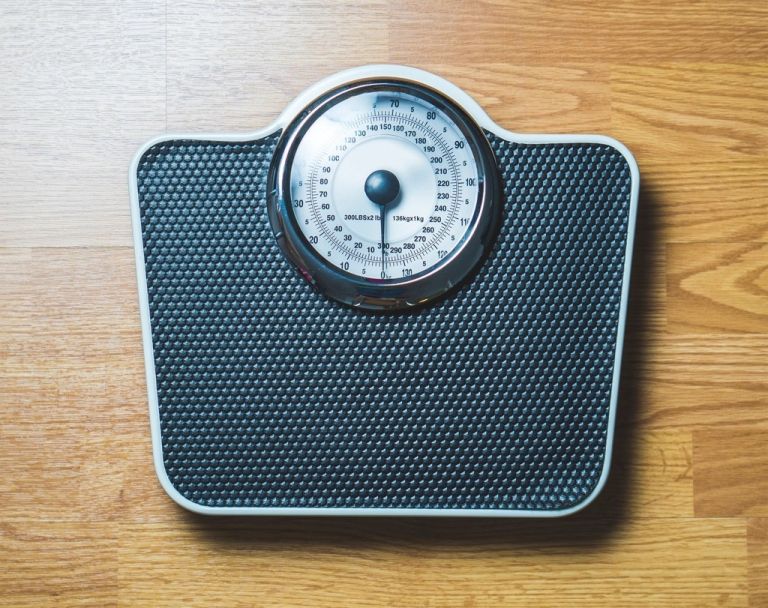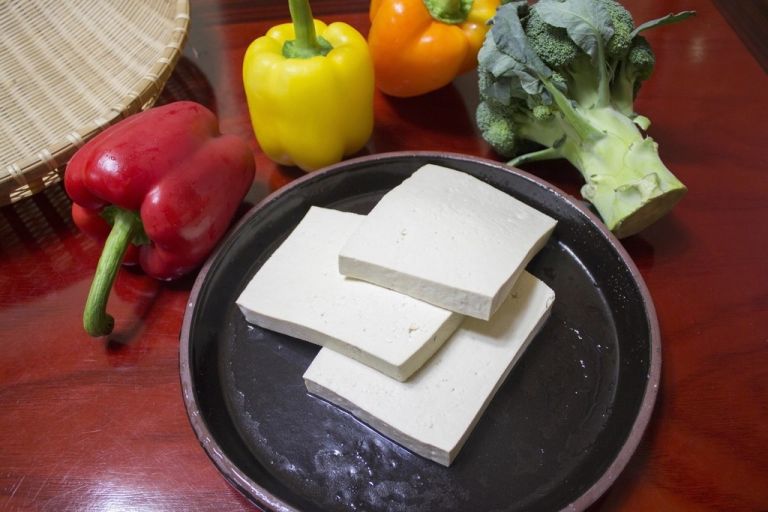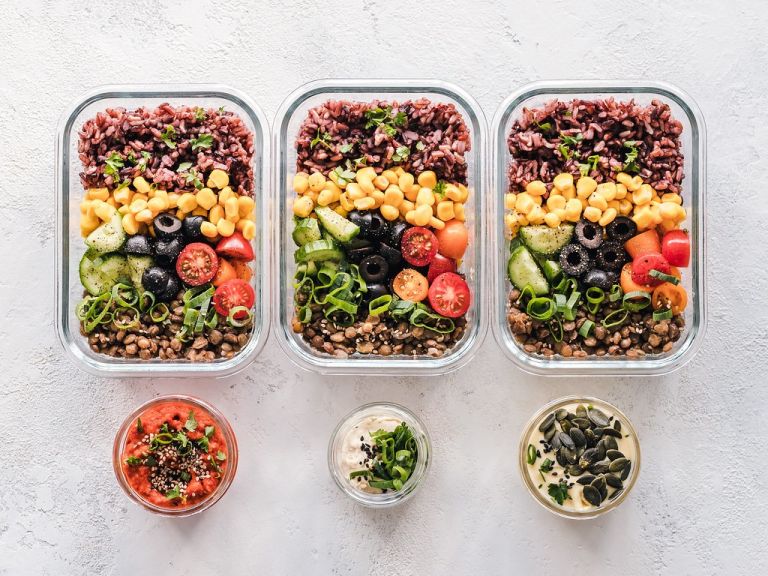


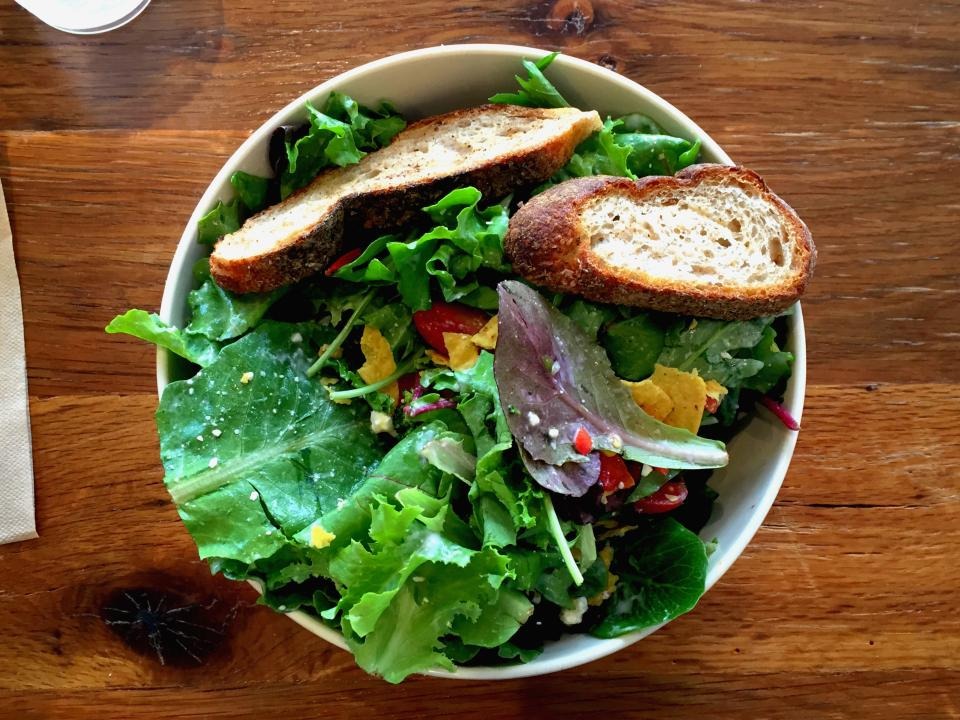
The goal of a cut is to lose fat while keeping as much muscle as possible. Cut too fast, eat too little protein or abandon heavy training, and a large share of the weight you lose can be muscle. Done well, you can come out leaner and almost as strong as you started.
- Aim to lose about 0.5 to 1 percent of body weight per week.
- Raise protein to around 2.0 to 2.4 grams per kilogram of body weight.
- Keep lifting heavy; it signals the body to keep muscle.
- Sleep and stress management matter more on a diet than at any other time.
Set the right deficit
A deficit of roughly 300 to 600 calories a day suits most people. Leaner lifters should cut more slowly, as they have less fat to spare and lose muscle more easily. Rapid crash diets drop scale weight fast, but much of it is water and muscle. See counting macros.
Protein is the priority
Higher protein intakes during a calorie deficit help preserve lean mass in research. Spread protein through three to five meals. Protein also keeps you fuller and costs more energy to digest than carbohydrates or fat.
How macros change on a cut
| Macro | Bulking | Cutting |
|---|---|---|
| Protein | 1.6 to 2.2 g/kg | 2.0 to 2.4 g/kg |
| Carbohydrates | Higher | Reduced, focused around training |
| Fat | 20 to 35% of calories | At least 20% of calories |
Training on a cut
- Keep the heavy compound lifts in your program.
- Reduce total volume slightly if recovery suffers, but keep intensity.
- Use cardio as a tool, not a punishment; walking is ideal. See cardio and muscle gains.
- Expect strength to plateau, not to rise, late in a cut.
Hunger management
- Fill up on vegetables, potatoes, fruit and lean protein.
- Drink water and use calorie-free drinks.
- Plan meals ahead and keep trigger foods out of the house.
- Sleep seven to nine hours; short sleep increases hunger.
A sample cutting day
- Breakfast: egg-white and whole-egg omelette with vegetables, one slice of toast.
- Lunch: large salad with chicken breast, chickpeas and a light dressing.
- Pre-workout: Greek yogurt with berries.
- Dinner: white fish or lean beef, potatoes, a big serving of vegetables.
- Evening: cottage cheese or a protein shake.
Diet breaks and refeeds
A planned week at maintenance every six to twelve weeks can ease hunger, improve training and make the diet easier to sustain. Evidence for metabolic benefits is mixed, but the psychological relief is real for many people.
Is it fat or muscle?
If strength holds steady, waist measurement drops and you look leaner, most of the loss is fat. If strength falls quickly and you look flat and smaller everywhere, slow the cut and raise protein and carbohydrates.
Very low body fat brings low energy, poor sleep, low libido and hormone changes, including lower testosterone. Extreme leanness is not healthy to hold for long. If dieting thoughts start to dominate your life, talk to a professional.
After the cut
Increase calories gradually back to maintenance over a few weeks to limit fat regain, while keeping protein high and training hard.
Nutrition and fat lossHow to keep muscle while losing weightRead guide
Frequently asked questions
How fast should I cut?
About 0.5 to 1 percent of body weight per week; leaner people should aim for the lower end.
Should I stop lifting heavy when cutting?
No. Heavy training is what tells your body to keep muscle.
How long should a cut last?
Usually 8 to 16 weeks, with optional diet breaks for longer cuts.
Educational information only. Nothing here is medical advice or a recommendation to use any product. Anabolic steroids are Schedule IV under the Controlled Drugs and Substances Act. Talk to a doctor and get bloodwork before and after using any compound.