


Every anabolic steroid, SARM and prohormone tells the body to stop making its own testosterone. While outside hormones are present, most people never notice. The problems arrive afterwards, when the outside supply is gone and the body’s own production has not restarted. Understanding the system makes the recovery easier to plan and monitor.
- The brain reads outside androgens as a signal to stop sending LH and FSH, the hormones that run the testes.
- Signs of suppression after stopping include low libido, fatigue, low mood and testicular shrinkage.
- Recovery usually takes weeks to months; longer and heavier use generally means slower recovery.
- Bloodwork for LH, FSH and testosterone shows whether recovery is happening.
How the system works
The hypothalamus releases GnRH, which tells the pituitary to release LH and FSH. LH tells the testes to make testosterone; FSH supports sperm production. When testosterone or estradiol levels are high, the hypothalamus and pituitary dial down, a feedback loop known as the HPG axis. Outside androgens push that dial to near zero, so LH and FSH fall, the testes go quiet and shrink, and sperm production drops.
Signs while using and after stopping
During use, testicular shrinkage and reduced sperm count are the main signs, because the outside hormone covers everything else. After stopping, when levels fall, people commonly notice:
- Low libido and erection problems
- Tiredness and poor motivation
- Low or flat mood
- Loss of strength and some muscle
- Hot flushes or poor sleep in some cases
How long recovery takes
Studies of former users show most men’s testosterone recovers within several months, but a meaningful minority still have low levels a year or more later. Factors that slow recovery include longer total time on, higher amounts, long-acting esters such as decanoate and undecylenate, older age and lower natural levels to begin with. Short esters clear faster, so recovery can begin sooner.
What post-cycle therapy drugs do
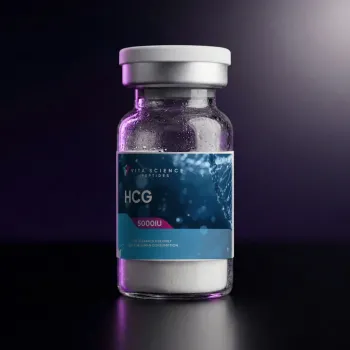
Selective estrogen receptor modulators such as tamoxifen (Nolvadex) and clomiphene (Clomid) block estrogen’s feedback at the hypothalamus and pituitary, encouraging LH and FSH to rise again. HCG mimics LH and can keep the testes active. These are medical drugs with their own effects, and doctors use clomiphene off-label for some men with low testosterone. They speed up the restart for many people but cannot guarantee it. Product pages for Nolvadex and Clomid list their label information.
Low mood or libido can have other causes, and feeling fine does not mean levels are normal. Bloodwork tells you where you actually are.
Bloodwork to track recovery
| Marker | What it tells you |
|---|---|
| LH and FSH | Whether the pituitary has switched back on |
| Total and free testosterone | Whether the testes are responding |
| Estradiol | Too high or too low can stall recovery |
| Prolactin | Raised levels can suppress the axis |
| Semen analysis | Fertility, if that matters to you |
A sensible pattern is a test once outside hormones should have cleared, then again a few months later. Persistently low testosterone with low LH after six months is a reason to see a doctor, who may refer to an endocrinologist or urologist.
Factors that help recovery
Recovery is not only about medication. Sleep, adequate calories, avoiding alcohol, keeping body fat moderate and managing stress all support the hormonal system. Very low body fat and aggressive dieting suppress testosterone on their own, so a hard cut straight after stopping makes recovery harder. Time off long enough to allow full recovery before any further use is the most reliable approach.
Fertility
Sperm production can take many months to return, sometimes longer than testosterone. Anyone hoping to have children should plan well ahead; see fertility and anabolic steroids.
SERMs, aromatase inhibitors and HCGPCT and on-cycle supportBrowse
Frequently asked questions
Will my testosterone come back on its own?
For most men it does, over weeks to months. Some take much longer, and a few need medical treatment.
Do SARMs suppress testosterone?
Yes, in a dose-dependent way, as do prohormones.
When should I test after stopping?
Once outside hormones have cleared, which depends on the ester, and again a few months later to confirm recovery.
Educational information only. Nothing here is medical advice or a recommendation to use any product. Anabolic steroids are Schedule IV under the Controlled Drugs and Substances Act. Talk to a doctor and get bloodwork before and after using any compound.