


Most harm from anabolic steroids builds quietly, which is exactly why the warning signs matter. Some symptoms mean “get help now”. Others mean “stop and get checked”. And some never show up as symptoms at all, only in bloodwork. This guide sorts them into those three groups.
- Chest pain, stroke symptoms, severe breathlessness or thoughts of self-harm need emergency help immediately.
- Jaundice, severe headaches, rising blood pressure, voice changes in women and infection signs need prompt medical attention.
- High hematocrit, low HDL and raised liver enzymes are silent and only show up on tests.
- Stopping early when warning signs appear prevents most serious outcomes.
Call 911
Chest pain or pressure, pain spreading to the arm, jaw or back; sudden breathlessness; fainting; a racing or irregular heartbeat that does not settle; sudden weakness, numbness, facial droop or slurred speech; a sudden severe headache; a seizure; confusion after insulin use; or thoughts of harming yourself or others. In Canada you can also call or text 988 for suicide crisis support.
See a doctor promptly
Liver
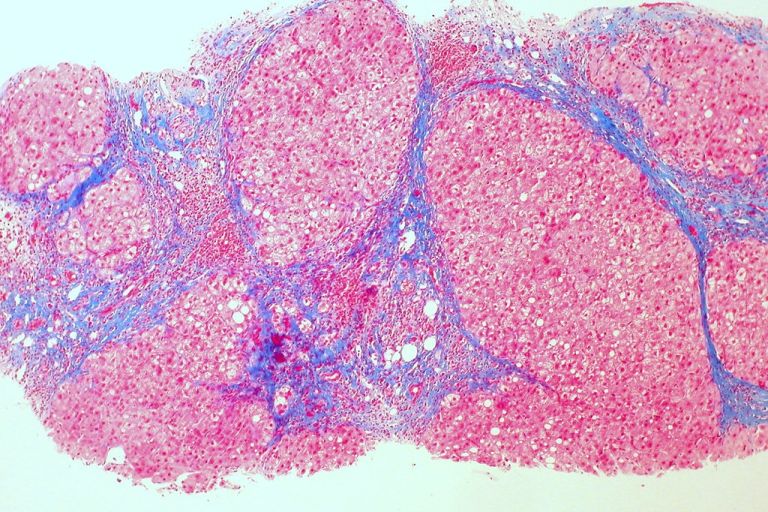
Yellow skin or eyes, dark urine, pale stools, persistent itching or pain under the right ribs, especially while using oral steroids. See liver health.
Blood pressure and circulation
Home readings averaging 135/85 or higher, frequent headaches, nosebleeds, swelling of the legs or ankles, or a red, swollen, painful calf, which could be a clot.
Injection sites
Pain that worsens after two days, spreading redness, heat, swelling, pus or fever. These can signal an abscess or cellulitis.
Women
Hoarseness, a deepening voice, new facial or body hair, clitoral enlargement or menstrual changes. Voice changes can become permanent quickly.
Men
A lump or persistent pain in the breast tissue or testicles, difficulty passing urine, or blood in the urine.
Mood and sleep
Weeks of insomnia, panic, rage or low mood; feeling unlike yourself; friends and family raising concerns.
Silent changes that only bloodwork shows
| Finding | Why it matters |
|---|---|
| Hematocrit in the mid-50s or higher | Thick blood raises clot and stroke risk |
| HDL very low, LDL or ApoB high | Faster artery plaque build-up |
| ALT or AST several times normal, rising bilirubin | Liver stress or cholestasis |
| Rising creatinine with protein in the urine | Possible kidney strain |
| High prolactin | Can affect libido and mood |
| Very high or very low estradiol | Gynecomastia risk or joint and mood problems |
The value of bloodwork lies in comparison: a baseline before starting makes every later result meaningful. Our before-you-start checklist lists the core tests.
Early signs worth taking seriously
Some changes are not emergencies but should not be shrugged off: persistent acne or hair loss, testicular shrinkage, sore or swollen nipple tissue, reduced cardio capacity, needing more sleep but sleeping worse, and feeling unable to stop. Each is a reason to review what you are taking and get checked.
What to do
- Stop the compound you started most recently, or all of them if symptoms are serious.
- Get the relevant tests rather than guessing.
- Tell the doctor exactly what you have used and for how long; it is confidential health information.
- Do not try to treat serious symptoms yourself with more products.
Why people miss the signs
Feeling strong and looking good can override caution. Many problems also develop slowly enough to seem normal. A partner or friend who knows what to watch for is a genuine safety measure; so is writing down your blood pressure and how you feel each week.
Health and bloodworkBefore you start: bloodwork, supplies and a doctorRead guide
Frequently asked questions
What is the most dangerous side effect of steroids?
Cardiovascular events, such as heart attacks, strokes and clots, are the most serious, along with severe liver injury from orals.
Can I tell my doctor about steroid use?
Yes. Health information is confidential, and doctors need the full picture to interpret tests and symptoms.
Do symptoms always appear before damage?
No. Many important changes, such as high hematocrit or low HDL, cause no symptoms until they cause problems.
Educational information only. Nothing here is medical advice or a recommendation to use any product. Anabolic steroids are Schedule IV under the Controlled Drugs and Substances Act. Talk to a doctor and get bloodwork before and after using any compound.