


Intermittent fasting promises simpler dieting, fat loss and better health just by changing when you eat. For lifters, the big question is whether long gaps without food cost muscle. The research suggests fasting can work well for fat loss and muscle retention, as long as total protein and calories are right. It is a tool, not magic.
- Fat loss from fasting comes mainly from eating fewer calories overall.
- With enough protein and strength training, fasting can maintain muscle during a cut.
- Building muscle is harder with a short eating window, as fitting in calories and protein becomes difficult.
- Fasting is not suitable for everyone, including people with a history of eating disorders.
Common fasting methods
| Method | How it works | Suitability for lifters |
|---|---|---|
| 16:8 | Eat within an 8-hour window daily | Good; easiest to fit protein in |
| 14:10 | Eat within a 10-hour window | Very good; gentle start |
| 5:2 | Two low-calorie days a week | Fair; low days can hurt training |
| Alternate-day fasting | Very low intake every other day | Poor for performance |
| One meal a day | A single large meal | Poor for protein distribution |
What the research says
When total calories and protein are matched, studies generally find intermittent fasting produces similar fat loss to regular calorie restriction. Trials in resistance-trained men following 16:8 eating showed they kept muscle and strength while losing fat. Results for muscle gain are less encouraging: shorter eating windows may make it harder to gain lean mass, likely because of fewer protein feedings and lower total intake.
Making fasting work for muscle
- Hit your protein target: about 1.6 to 2.2 g per kg, split into at least two or three meals within the window.
- Place training inside or just before the window, so you can eat soon after.
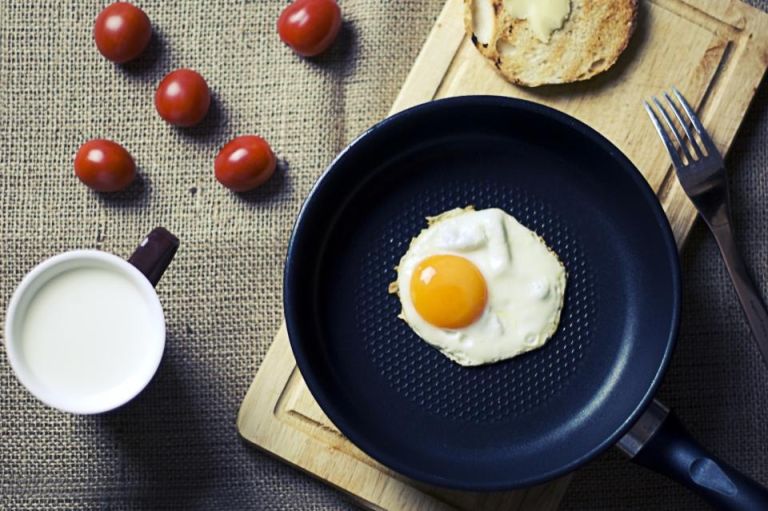
- Break the fast with protein, such as eggs, Greek yogurt or a shake.
- Do not drift into an excessive deficit; aim for 0.5 to 1 percent of body weight lost per week.
Training fasted
Many people lift well in the morning before eating. Others feel weak and dizzy. If performance drops, eat a small protein-rich snack before training or move the eating window earlier. Some lifters use essential amino acids before fasted training, though evidence of benefit is limited. See BCAAs for lifters.
A sample 16:8 day
- 12:00: chicken wrap with vegetables and a glass of milk.
- 15:30: Greek yogurt with berries and oats.
- 17:00: training session.
- 18:30: salmon, rice and vegetables.
- 19:45: cottage cheese with fruit or a protein shake before the window closes.
Who should avoid fasting
- People with a history of eating disorders or disordered eating.
- People with diabetes using insulin or sulfonylureas, unless supervised by their doctor.
- Pregnant or breastfeeding women.
- Athletes with very high energy needs or twice-daily training.
Some medicines must be taken with food, and fasting can change how blood sugar medicines work. Ask your doctor or pharmacist before starting.
Is it right for you?
Fasting suits people who prefer fewer, larger meals and find it easier to skip breakfast than to control portions all day. If it makes you ravenous, irritable or obsessed with food, regular meals with a modest deficit work just as well. See a cutting diet that keeps muscle.
Nutrition and fat lossCounting macros for weight lossRead guide
Frequently asked questions
Will fasting make me lose muscle?
Not if you eat enough protein and keep strength training.
Can I drink coffee while fasting?
Black coffee, tea and water are generally fine during a fast.
Is 16:8 good for bulking?
It can work, but fitting enough food into eight hours is hard. A longer window often suits a bulk better.
Educational information only. Nothing here is medical advice or a recommendation to use any product. Anabolic steroids are Schedule IV under the Controlled Drugs and Substances Act. Talk to a doctor and get bloodwork before and after using any compound.