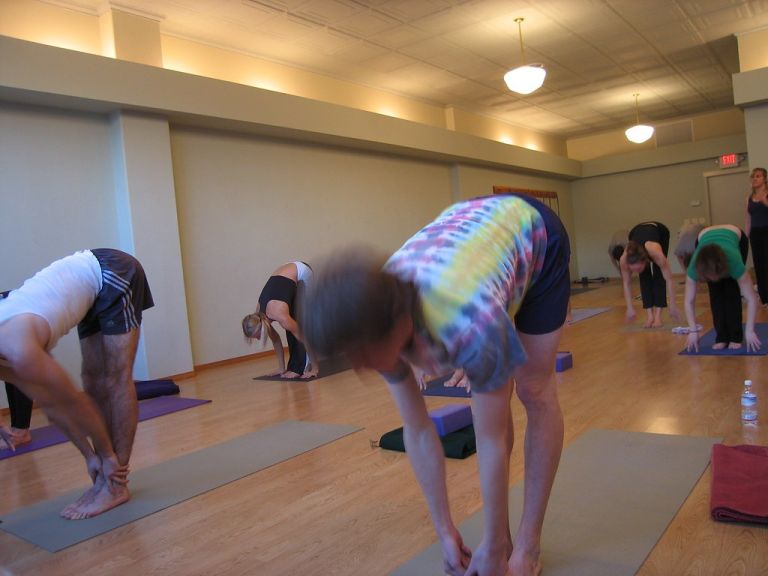



Lifters often skip flexibility work because it does not feel productive. Yet tight hips, stiff shoulders and a locked-up upper back limit how well you can squat, press and pull, and yoga offers stress relief many people need. Here is what stretching and yoga can and cannot do, and how to fit them in without losing training time.
- Regular stretching improves range of motion over weeks, which can improve exercise technique.
- Evidence that stretching prevents most injuries is mixed; strength training through full range helps more.
- Yoga combines mobility, balance and relaxation, and can lower perceived stress.
- Stretching after training or on rest days fits most lifters best.
What stretching does
Consistent stretching increases how far a joint can move, mainly by increasing your tolerance to the stretch sensation rather than permanently lengthening muscle. That extra range matters when it limits a lift, for example ankle and hip mobility for a deep squat, or thoracic spine and shoulder mobility for overhead pressing.
What it does not do
Research has not shown that static stretching before exercise reliably prevents muscle strains or reduces next-day soreness. Strength training through a full range of motion improves flexibility too, sometimes as well as stretching, while also building strength in those end ranges.
Types of stretching
| Type | What it is | Best used |
|---|---|---|
| Dynamic | Controlled movements through range | Before training |
| Static | Holding a stretch 30 to 60 seconds | After training or separate sessions |
| PNF | Contract-relax cycles in a stretch | Targeted mobility work |
| Loaded stretching | Exercises at long muscle lengths, such as deep goblet squats | Within training |
What yoga adds
Yoga blends mobility with balance, breath control and attention. Studies show improvements in flexibility and balance, and reductions in perceived stress and some kinds of back pain. Breath-focused practices can shift the nervous system toward rest, which helps people who struggle to switch off after hard training or on stimulants. A gentle class once or twice a week is a good complement to lifting.
Where lifters usually need mobility
- Hips: hip flexors and adductors for squatting and deadlifting.
- Ankles: for squat depth and knee position.
- Thoracic spine: for overhead pressing and posture.
- Shoulders and chest: after heavy pressing.
- Hamstrings: for hinging without rounding.
A simple weekly routine
- Before training: five minutes of dynamic mobility for the joints you will use.
- After training: two or three static stretches for the muscles you trained, 30 to 60 seconds each.
- Once or twice a week: a 20 to 45 minute yoga or mobility session on a rest day.
Use new range under light load, such as pausing at the bottom of a goblet squat, so your body learns to control it.
Mobility for desk workers
Long hours sitting stiffen the hips and upper back and pull the shoulders forward. Short movement breaks every hour, a few hip flexor stretches and thoracic rotations during the day, and rowing and face-pull exercises in training counter much of that. Small, frequent doses of movement often help more than one long stretching session a week.
Cautions
Stretch to a feeling of mild tension, not pain. People with very flexible joints may benefit more from strength and stability work than more stretching. Avoid forcing deep positions on joints with recent injuries.
Training and recoveryWarming up for heavy liftingRead guide
Frequently asked questions
Does stretching prevent injury?
Evidence is mixed. Strength through full range and sensible load progression matter more.
Is yoga good for lifters?
Yes, for mobility, balance and stress relief, especially on rest days.
How long until stretching improves flexibility?
Most people notice change within four to six weeks of regular practice.
Educational information only. Nothing here is medical advice or a recommendation to use any product. Anabolic steroids are Schedule IV under the Controlled Drugs and Substances Act. Talk to a doctor and get bloodwork before and after using any compound.