


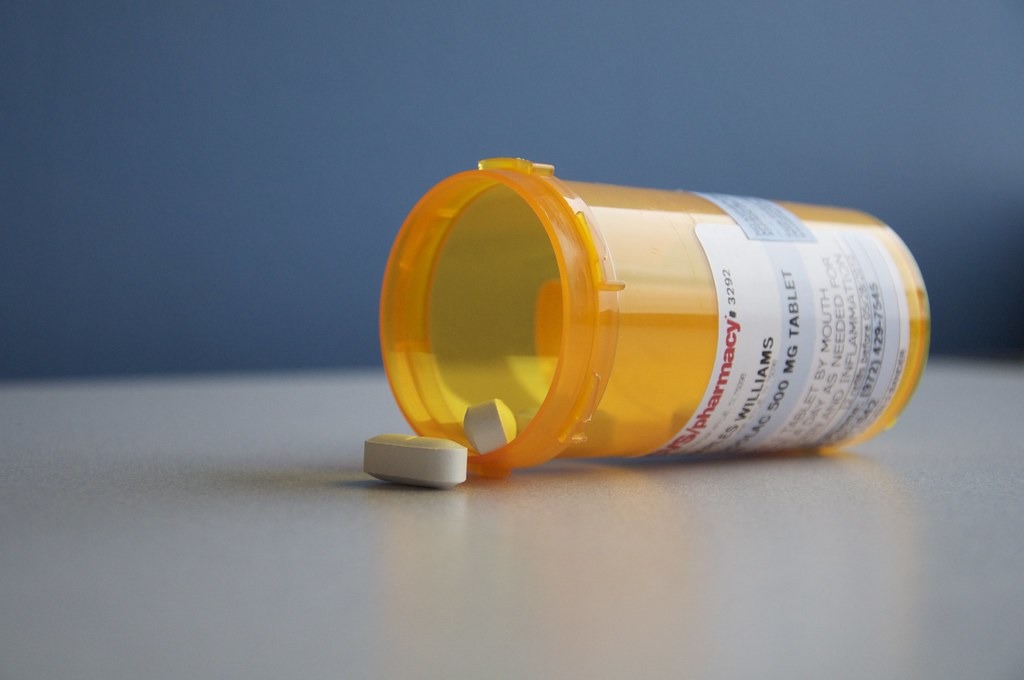
A steroid label packs a lot of information into a small space, and misreading it is one of the most common causes of mistakes. The difference between “per ml” and “per vial”, or between the ester and the hormone, matters. This guide walks through each line on a typical injectable and tablet label.
- The compound name usually includes the ester, which changes timing and how much actual hormone you get.
- Concentration is per millilitre; the vial total is concentration multiplied by volume.
- Carrier oils and solvents are listed because some people react to them.
- Batch number, expiry date and storage instructions should always be present.
Compound and ester
“Testosterone enanthate” names the hormone (testosterone) and the ester (enanthate). The ester controls how quickly the compound is released and, because it adds weight, how much of each milligram is actual hormone: roughly 72 percent for enanthate and 83 percent for propionate. Blends list each ester separately; Sustanon 250, for example, contains four testosterone esters. See Sustanon 250 explained.
Concentration versus total
| Label says | What it means |
|---|---|
| 250 mg/ml | Each millilitre contains 250 mg of the esterified compound |
| 10 ml | The vial holds 10 millilitres |
| Total | 250 mg/ml x 10 ml = 2,500 mg in the vial |
| 100 mg/ml, 10 ml | 1,000 mg in the vial |
Mixing up per-ml and per-vial figures, or two products with different concentrations, is a common error. Always check the concentration before drawing anything up.
Carrier oils and solvents
Injectable steroids are dissolved in an oil such as grapeseed, cottonseed, sesame or medium-chain triglyceride (MCT) oil. Benzyl alcohol is a preservative that also reduces bacterial growth; benzyl benzoate is a solvent that keeps higher concentrations dissolved. Some people react to particular oils or to high benzyl benzoate content with more injection pain. Allergies to sesame or other oils are a reason to check this line carefully.
Tablets
Tablet labels list the strength per tablet and the number of tablets. A bottle of 50 tablets at 20 mg contains 1,000 mg in total. Check the strength on the bottle against the product listing; strengths vary between brands for the same compound. Our oral steroids comparison lists common ones.
Peptides and powders
Freeze-dried peptides list the total amount in the vial, for example 5 mg or 10 mg. The concentration depends on how much bacteriostatic water is added to reconstitute it, so the label does not give a per-ml figure. Insulin syringes are marked in units of volume (100 units = 1 ml), which is unrelated to insulin itself when used for peptides.
Batch number and expiry
A batch or lot number lets a manufacturer trace a product and lets you report a problem. The expiry date shows how long the product is expected to remain stable. Products without either are a red flag; see spotting counterfeits.
Storage instructions
Most oils are stored at room temperature away from light. Refrigerating oils can cause crystals. Reconstituted peptides are usually refrigerated. Following the label keeps products stable.
Keeping a note of compound, concentration, batch and opening date for each vial makes it easy to check later and to report a problem if one arises.
Example label: 250 mg/ml, 10 mlZionova Testosterone EnanthateView product
Frequently asked questions
Does 250 mg/ml mean 250 mg of testosterone?
It means 250 mg of testosterone ester. The actual testosterone is less, depending on the ester.
Why does my vial list benzyl benzoate?
It is a solvent that keeps the hormone dissolved at higher concentrations.
Why do peptide labels not show mg per ml?
Peptides are dry powders; concentration depends on how much water you add.
Educational information only. Nothing here is medical advice or a recommendation to use any product. Anabolic steroids are Schedule IV under the Controlled Drugs and Substances Act. Talk to a doctor and get bloodwork before and after using any compound.