




Almost every research peptide vial now says “purity 99% by HPLC”. It sounds like a guarantee that the vial holds exactly what the label says. It is not. HPLC purity answers one narrow question, and a good buyer knows what the other questions are. This guide explains what the number means, what it leaves out and how to read the paperwork behind it.
- HPLC purity is the share of everything the detector sees that sits in the main peak. It says nothing on its own about whether that peak is the right peptide.
- Identity is confirmed by mass spectrometry, which measures the molecule’s weight.
- A 10 mg vial of 99% pure peptide can contain noticeably less than 10 mg of actual peptide, because of salts and water.
- HPLC does not test sterility or endotoxins, which matter for anything injected.
What HPLC actually does
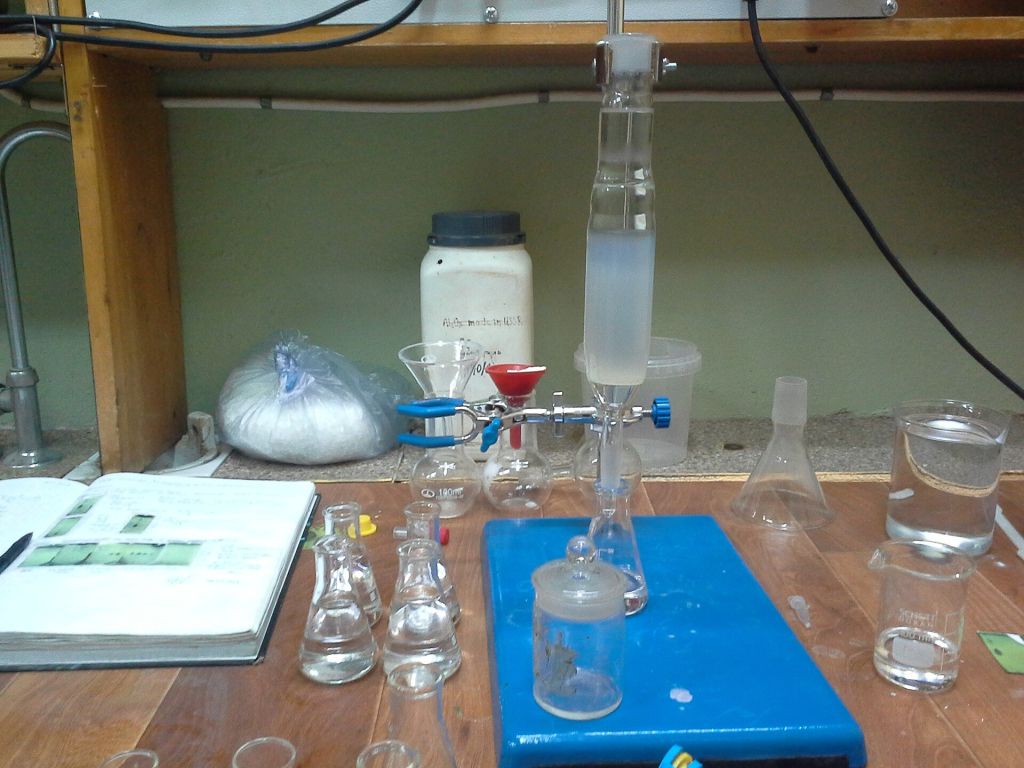
High-performance liquid chromatography pushes a dissolved sample through a column packed with tiny particles. Different molecules stick to the column more or less strongly, so they come out at different times. A detector, usually ultraviolet light at around 214 or 220 nanometres where peptide bonds absorb, records each one as a peak on a chart called a chromatogram.
Purity is calculated as the area of the main peak divided by the total area of all peaks. If the main peak makes up 99 percent of the total, the label says 99 percent.
What the number does not tell you
| Question | Does HPLC purity answer it? | What does |
|---|---|---|
| Is it the right peptide? | No | Mass spectrometry (MS or LC-MS) showing the expected molecular weight |
| How many milligrams are in the vial? | No | Net peptide content or quantitative assay |
| Are there impurities the detector cannot see? | Only partly | Additional methods; some impurities do not absorb UV well |
| Is it sterile? | No | Sterility testing |
| Is it free of bacterial toxins? | No | Endotoxin (LAL) testing |
| Heavy metals or solvents? | No | Specific chemical tests |
Purity versus net peptide content
Synthetic peptides are made and purified as salts, usually with trifluoroacetate (TFA) or acetate attached to charged amino acids, and freeze-dried powder also holds some water. Those counter-ions and water are invisible to the UV detector, so they do not lower the purity number, but they do take up weight. Net peptide content, the share of the powder’s weight that is actually peptide, is commonly in the range of 70 to 90 percent.
A vial labelled “10 mg, 99% by HPLC” may contain 10 mg of powder that is 99 percent pure among UV-visible components, of which perhaps 8 mg is the peptide itself. Reputable suppliers state whether the fill weight refers to peptide or total powder.
Reading a certificate of analysis
A useful certificate of analysis, or COA, shows more than one number. Look for:
- The chromatogram itself, not just a percentage. One tall peak with small bumps is what you want.
- A mass spectrum with the observed mass matching the peptide’s known molecular weight.
- A batch or lot number that matches the vial.
- A test date within the last year or so.
- The lab’s name, and ideally an independent third-party lab rather than the manufacturer alone.
- Method details: column, wavelength and gradient, which show a real analysis was run.
Red flags include identical chromatograms across different peptides, missing batch numbers, round “100%” purity claims and certificates that cannot be traced to a lab.
What you can check at home
You cannot test purity yourself, but a few checks catch obvious problems:
- The freeze-dried powder should be a white or off-white cake or powder, not wet, sticky or discoloured.
- After gentle mixing with bacteriostatic water, most peptides dissolve to a clear solution. Cloudiness, particles or strings are a reason not to use it.
- The cap seal and label should be intact, with batch and expiry information.
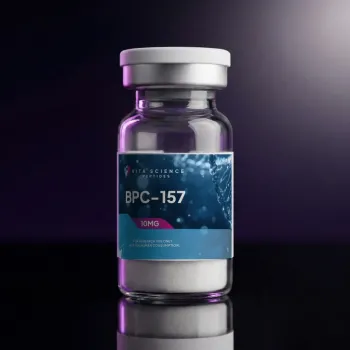
Lyophilised, batch-testedVita Science BPC-157 10 mgView product
Storage keeps purity intact
A peptide that left the lab at 99 percent can degrade if it is stored badly. Heat, light, moisture and repeated freezing and thawing all break peptides down. Keep unopened vials in the fridge or freezer as directed, keep mixed vials refrigerated and use them within the supplier’s recommended time. Our introduction to research peptides covers handling in more detail.
Frequently asked questions
Is 98% purity much worse than 99%?
Not usually. The difference is small and within normal batch variation. Identity confirmation and good storage matter more than one percentage point.
Why do some COAs show only HPLC?
HPLC is cheaper and quicker. Mass spectrometry costs more, so some sellers skip it. A COA with both is stronger evidence.
Can purity be faked?
A PDF can be edited. Certificates that list a traceable lab and batch number, and match the vial, are more trustworthy.
Does HPLC detect contamination with bacteria?
No. Sterility and endotoxin tests are separate and are rarely included for research peptides.
Educational information only. Nothing here is medical advice or a recommendation to use any product. Anabolic steroids are Schedule IV under the Controlled Drugs and Substances Act. Talk to a doctor and get bloodwork before and after using any compound.