


SS-31 is a four-amino-acid peptide designed to slip inside mitochondria and protect the membrane where energy is made. Under the drug name elamipretide, it has been through more human trials than almost any other “longevity” peptide, with a mix of disappointments and one notable success in a rare disease. Here is what it does and what the evidence actually supports.
- SS-31 binds cardiolipin, a fat found almost only in the inner mitochondrial membrane, and helps keep the energy-making machinery intact.
- In older mice it improved heart function and exercise capacity; in older adults a single infusion briefly improved muscle energy production.
- Large trials in mitochondrial myopathy, heart failure and eye disease missed their main goals.
- Elamipretide received accelerated approval in the United States in 2025 for Barth syndrome, a rare inherited disease. It is not approved in Canada.
What SS-31 is
The peptide was designed by Hazel Szeto and Peter Schiller, which is where the “SS” comes from. Its short chain of alternating aromatic and positively charged amino acids lets it cross cell membranes and gather on the inner membrane of mitochondria, where it is held by cardiolipin.
Cardiolipin shapes the folds of the inner membrane and anchors the protein complexes that make ATP, the cell’s energy currency. When cardiolipin is damaged by oxidation, as happens with ageing and many diseases, those complexes work less efficiently and leak more reactive oxygen species. SS-31 appears to stabilise cardiolipin and the structures around it.
What the research found
| Setting | Finding |
|---|---|
| Aged mice | Eight weeks of treatment improved heart relaxation, reduced oxidative damage and restored some exercise tolerance in a 2020 study. |
| Older adults, single dose | A 2021 study found a modest, short-lived rise in maximal ATP production in hand muscle, with no change in fatigue. |
| Primary mitochondrial myopathy | The large MMPOWER-3 trial did not improve walking distance or fatigue compared with placebo. |
| Heart attack and heart failure | Trials showed safety but no clear benefit on main outcomes. |
| Dry macular degeneration | Some signals on secondary measures; main goal missed. |
| Barth syndrome | Long-term open-label data showed gains in walking distance and strength, leading to accelerated approval in the United States. |
Healthy mitochondria may have little room to improve, while badly damaged ones may be beyond rescue. The clearest effects so far come from animals with age-related decline and from a disease caused specifically by faulty cardiolipin. That is a narrower story than the “anti-ageing” marketing suggests.
Why lifters and longevity enthusiasts are interested
Mitochondrial health drives endurance, recovery and how muscle ages. Animal results showing better exercise tolerance in old animals naturally attract attention. So far, though, no study shows SS-31 improves performance, strength or body composition in healthy, trained people. Training itself, particularly endurance work and intervals, remains the most powerful proven way to build more and better mitochondria.
Side effects in trials
Across thousands of trial participants, elamipretide was generally well tolerated. The most common problem was injection-site reactions: redness, itching, pain and swelling, sometimes enough to stop treatment. Headache and dizziness were reported less often. Trials used pharmaceutical-grade product under medical supervision, which is not the same as a research vial.
Research peptide, shipped from VancouverVita Science SS-31 50 mgView product
Storage and handling
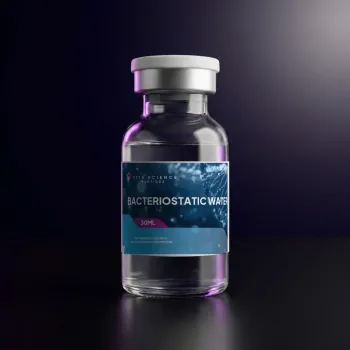
SS-31 is supplied as a freeze-dried powder. Store unopened vials cold and away from light. Reconstitute gently with bacteriostatic water, keep mixed vials in the fridge and use sterile technique every time. Injection-site reactions were common even in clinical trials, so rotate sites carefully.
SS-31 and MOTS-c
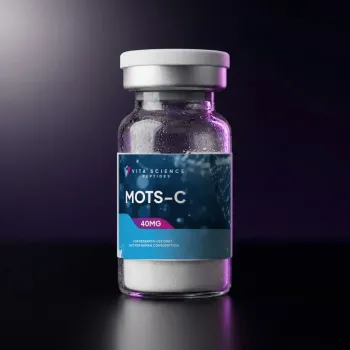
Both are discussed as mitochondrial peptides, but they work differently. MOTS-c is a signalling peptide made by mitochondria that acts on metabolism through AMPK. SS-31 is a synthetic peptide that sits in the mitochondrial membrane and protects its structure. Research on combining them is essentially nonexistent.
Legal status
Elamipretide is not approved by Health Canada. SS-31 is not listed in the Controlled Drugs and Substances Act and is sold for research use. Athletes should note that unapproved substances are banned under the World Anti-Doping Code.
Frequently asked questions
Is SS-31 an antioxidant?
Partly. It reduces the production of reactive oxygen species at the source rather than mopping them up like vitamin C or E, which is why it is described as a mitochondria-targeted antioxidant.
Does SS-31 improve endurance?
In old mice, yes. In healthy people, there is no evidence yet.
Is elamipretide the same molecule as SS-31?
Yes. Elamipretide is the drug name for SS-31 developed by Stealth BioTherapeutics.
What is Barth syndrome?
A rare inherited disease, mostly in boys, caused by faulty cardiolipin. It weakens the heart and skeletal muscles, which makes it a logical target for a cardiolipin-binding drug.
Educational information only. Nothing here is medical advice or a recommendation to use any product. Anabolic steroids are Schedule IV under the Controlled Drugs and Substances Act. Talk to a doctor and get bloodwork before and after using any compound.