

Kidneys rarely come up when people talk about steroid side effects, yet they quietly take strain from several directions at once: blood pressure, body size, dehydration, supplements and sometimes the compounds themselves. The good news is that kidney function is easy to check. The catch is that the most common test can mislead people with a lot of muscle.
- Creatinine, the usual kidney marker, rises with muscle mass, so a high result in a muscular person may not mean kidney damage.
- Cystatin C and a urine albumin test give a more reliable picture alongside creatinine.
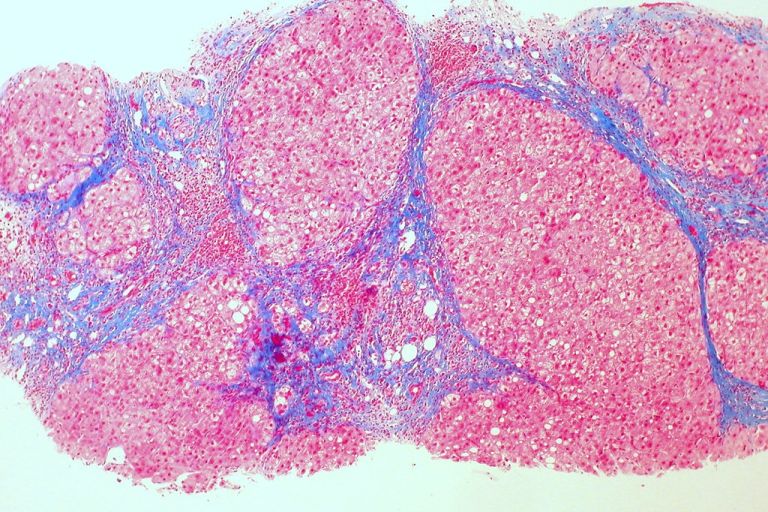
- Case series have linked long-term anabolic steroid use in bodybuilders to a type of kidney scarring called FSGS.
- Blood pressure control, hydration and avoiding regular anti-inflammatory painkillers protect the kidneys.
What the kidneys do
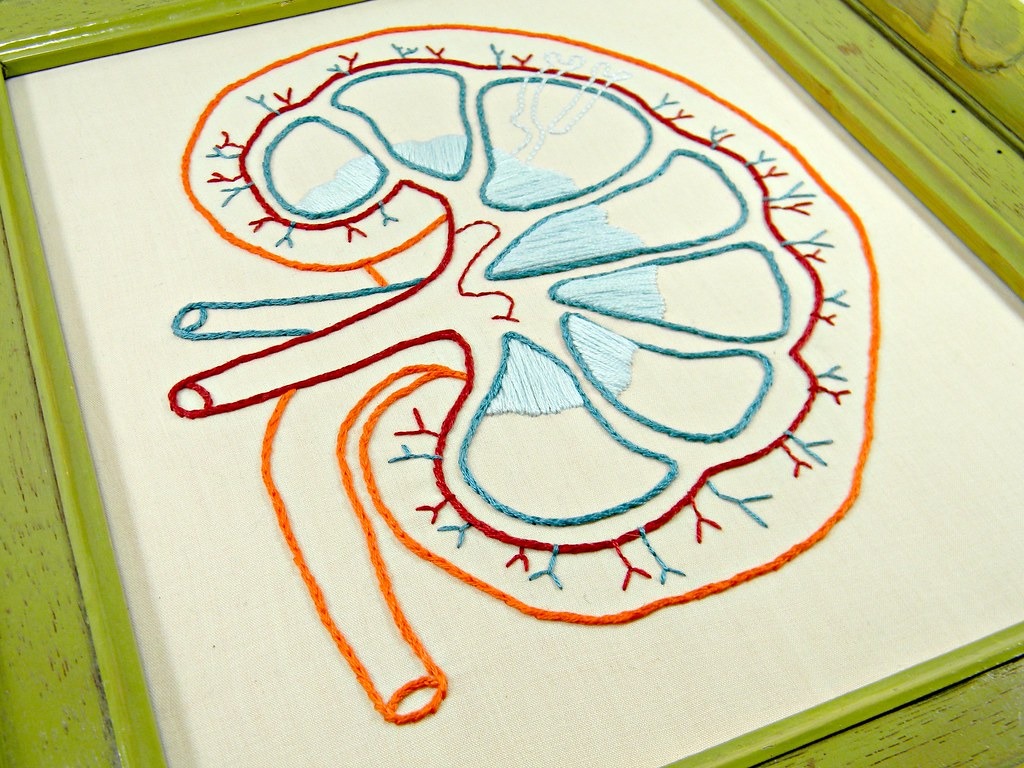
Each kidney contains around a million tiny filters, the glomeruli, that clean the blood, balance salt and water and help control blood pressure. They have large reserves, so function can fall a long way before symptoms appear. That is why kidney problems are usually found through blood and urine tests rather than through how someone feels.
How steroid use can affect them
Blood pressure
Many anabolic steroids raise blood pressure through water retention and changes in blood vessels. High pressure damages the glomeruli over time. Our guide to blood pressure on steroids covers home monitoring.
Body size and filtration
Larger muscle mass increases the workload on the kidneys. Researchers studying bodybuilders with kidney disease have suggested that sustained high filtration from extreme size may contribute to damage.
Direct effects
Published case series describe focal segmental glomerulosclerosis (FSGS), a pattern of scarring in the filters, in long-term anabolic steroid users, sometimes with heavy protein in the urine. Some improved after stopping. The evidence is from case reports rather than trials, but it is consistent enough to take seriously.
Dehydration, painkillers and supplements
Heavy training, sweating, diuretics used before competitions and regular use of anti-inflammatory painkillers such as ibuprofen all reduce blood flow to the kidneys. Some supplements, particularly very high doses of certain vitamins, add further strain.
Why creatinine can mislead
Creatinine is a waste product of muscle. Labs use it to estimate kidney filtration (eGFR), assuming an average amount of muscle. A very muscular person makes more creatinine, so their eGFR can look low even when their kidneys are fine. Creatine supplements and a large meat meal before the test raise it too. The opposite problem also exists: a low reading does not rule out early damage that only shows up in the urine.
Tests that give a truer picture
| Test | What it adds |
|---|---|
| Creatinine and eGFR | Standard baseline, interpreted with muscle mass in mind |
| Cystatin C | Kidney marker not affected by muscle mass |
| Urine albumin-to-creatinine ratio | Early sign of filter damage |
| Urinalysis | Blood or protein in the urine |
| Electrolytes | Sodium and potassium balance |
| Blood pressure | The biggest modifiable kidney risk |
If a creatinine-based result looks abnormal and you carry a lot of muscle, ask your doctor whether a cystatin C test is appropriate before drawing conclusions.
Is high protein bad for the kidneys?
In people with healthy kidneys, high-protein diets have not been shown to cause kidney disease. In people who already have reduced kidney function, protein intake does need medical guidance. That is another reason to know your baseline.
Habits that protect kidney health
- Keep blood pressure in the normal range and check it at home regularly.
- Drink enough water to keep urine pale, more on training days and in heat.
- Avoid regular use of ibuprofen, naproxen and similar painkillers.
- Avoid diuretics and extreme water manipulation.
- Get blood and urine tests before, during and after any steroid use.
Warning signs
Foamy urine, swelling of the ankles or around the eyes, much less urine than usual, blood in the urine or unexplained fatigue are reasons to see a doctor promptly.
Health and bloodworkBefore you start: the full checklistRead guide
Frequently asked questions
Do steroids damage the kidneys?
They can, mainly through high blood pressure and, in long-term heavy use, through a pattern of scarring seen in case reports. Testing catches problems early.
Why is my creatinine high if I feel fine?
Muscle mass, creatine supplements and recent meat intake all raise it. A cystatin C test and urine albumin help clarify.
Does creatine harm the kidneys?
Research in healthy people has not shown harm, but it raises creatinine on blood tests, which can be misread.
Educational information only. Nothing here is medical advice or a recommendation to use any product. Anabolic steroids are Schedule IV under the Controlled Drugs and Substances Act. Talk to a doctor and get bloodwork before and after using any compound.