

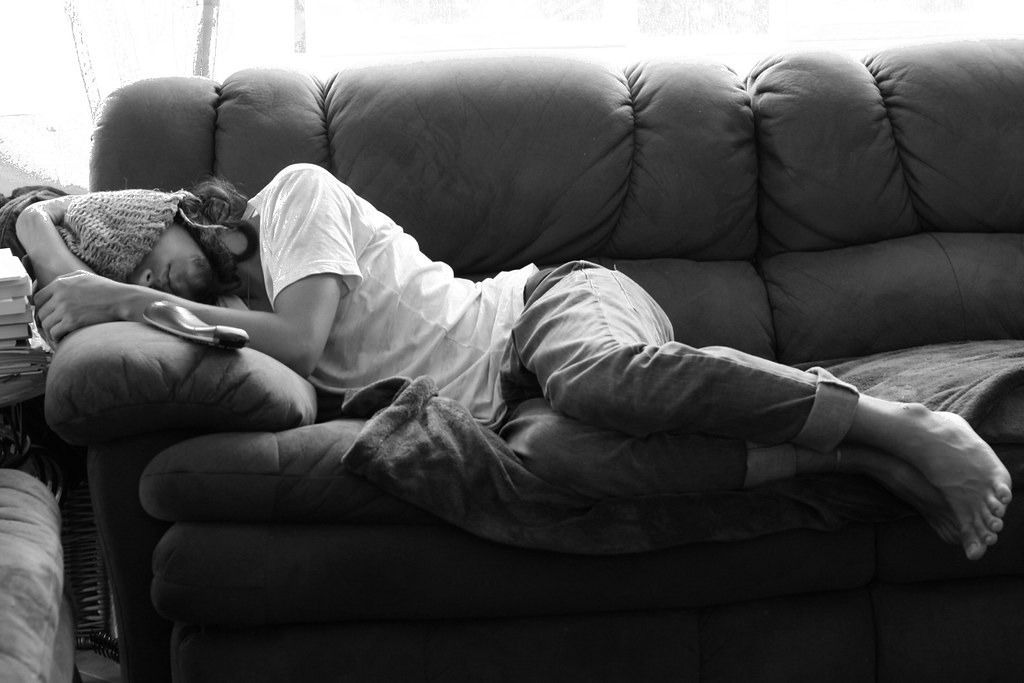
Sleep problems are among the most common complaints from people using anabolic steroids, and among the least discussed. Poor sleep is not just tiring: it raises blood pressure, worsens mood, increases appetite and undercuts recovery, which is the whole point of training. Here is why it happens and what helps.
- Trenbolone, high androgen levels and stimulants used alongside steroids are common causes of insomnia and night sweats.
- Testosterone can worsen obstructive sleep apnea, which is often undiagnosed in large, muscular men.
- Fat burners such as clenbuterol and high caffeine intake keep the nervous system switched on.
- Consistent sleep habits fix more than supplements; persistent insomnia needs medical attention.
Why sleep suffers
Androgen levels
Many users notice lighter, more broken sleep at higher androgen levels. Trenbolone in particular is linked to insomnia, vivid dreams and drenching night sweats.
Stimulants and fat burners
Clenbuterol, yohimbine, pre-workouts and large amounts of caffeine raise heart rate and adrenaline. Caffeine has a half-life of around five hours, so an afternoon coffee is still partly active at bedtime.
Thyroid hormone
Thyroid hormone used for fat loss can cause restlessness, a racing heart and poor sleep.
Hunger and timing
Large late meals, or going to bed hungry during a hard diet, both disturb sleep.
Sleep apnea: the hidden problem
Obstructive sleep apnea happens when the airway repeatedly collapses during sleep, cutting off breathing for seconds at a time. It is more common in people with large necks, high body weight and muscle mass, and testosterone therapy is known to worsen untreated apnea. Signs include loud snoring, gasping, waking with headaches, and feeling exhausted despite a full night in bed. Untreated apnea raises blood pressure and heart risk. A sleep study, often available at home, can diagnose it.
Ask a partner whether you stop breathing or gasp at night, and mention it to your doctor, especially if your blood pressure is also high.
What helps
- A fixed schedule: the same bedtime and wake time, including weekends.
- Caffeine curfew: none after about eight hours before bed.
- Stimulants earlier, or not at all: anything that raises heart rate belongs in the morning.
- A cool, dark room: around 18 degrees Celsius helps night sweats and sleep depth.
- Screens down an hour before bed: bright light delays your body clock.
- Morning daylight: especially during dark Canadian winters, it sets the clock for the night.
- Evening meal timing: finish larger meals two to three hours before bed.
- Training timing: very late, intense sessions can delay sleep for some people.
Supplements and sleep aids
Magnesium has modest evidence for people who are low in it. Melatonin can help shift the body clock but is not a strong sleeping pill. Over-the-counter sedating antihistamines cause next-day grogginess. Prescription sleep medications are a conversation for a doctor. Alcohol makes falling asleep easier but fragments sleep later in the night.
When it is time to stop
Weeks of poor sleep that do not improve with good habits, especially with anxiety, irritability or rising blood pressure, are a sign that the body is not coping. Stopping the compound responsible is often the fix. Our guide to mood and mental health covers the warning signs that go with it.
Why sleep matters for results
Most growth hormone is released during deep sleep, muscle repair happens overnight, and short sleep raises hunger hormones and lowers willpower around food. See deep sleep and recovery.
Training and recoveryDeep sleep, recovery and hormonesRead guide
Frequently asked questions
Why do I sweat so much at night on trenbolone?
Night sweats are a commonly reported effect of trenbolone. A cool room helps; sweats with fever need a doctor.
Can testosterone cause sleep apnea?
It can worsen existing apnea. Loud snoring and daytime exhaustion are reasons to ask for a sleep study.
Is melatonin safe to take every night?
It is generally well tolerated short term, but persistent insomnia deserves a proper look at its cause.
Educational information only. Nothing here is medical advice or a recommendation to use any product. Anabolic steroids are Schedule IV under the Controlled Drugs and Substances Act. Talk to a doctor and get bloodwork before and after using any compound.