in teh dynamic realm of sports, notably for athletes in canada, maintaining an efficient, safe and goal-oriented training schedule presents a complex but vital requisite. This paper aims to delve into the profound topic of ‘Year-round Cycle Planning for Canadian Athletes: Staying Safe and on Track.’ Armoured with the distinctive elements of Canada’s climate, the seasonal variances in training strategies, and the role of safety measures in routine planning, we will explore this multidimensional subject matter. Drawing upon empirical evidence, professional expertise, and real-life examples, this article endeavors to provide an academic elucidation for Canadian athletes, coaches, training staff, and sports enthusiasts to optimize performance, progressively seeking advancement whilst upholding their safety standards.They should attain an unyielding comprehension of how to navigate their chronological journey of training, evolving, competing, rejuvenating, and, most importantly, ensuring continuous progress irrespective of seasonal challenges.
Understanding Seasonal Variability in Canadian Cycling Conditions and Associated Risk Factors
In the vast and varied typography of Canada, cycling conditions can vastly differ across regions and seasons, thereby requiring athletes to plan meticulously, scrutinize the potential risk factors, and ensure adaptability throughout the year. While summer brings forth optimal riding conditions with moderate temperatures and longer daylights,the fall season introduces challenges of leaf-covered trails,frequent rains,and shorter days. Simultaneously occurring, the freezing temperatures, icy roads, and reduced visibility of winters further increase the risks, just as the occasional heatwaves in spring can lead to dehydration and heatstroke.
Understanding these seasonal variations is of paramount importance. Let us delve into some of the lingering risks and the corresponding preventive measures.
- Summer: To prevent overheating and dehydration, it’s critical to increase water intake, apply sunblock, and wear breathable clothing.
- Fall: The key lies in enhanced visibility. Use bright lights and reflective tape on your gear and bike. also, braking distance can increase on wet, leaf-covered roads, so ensure you maintain a safe distance from cars.
- Winter: Check tire treads often for adequate grip on icy roads. Opt for thermal clothing layers to guard against extreme cold and wear reflective clothing to improve visibility.
- Spring: Always carry water,take frequent rests in the shade,go for early morning or late evening rides to avoid the peak heat times.
Consistency in training can be maintained by adjusting the training intensity and duration as per the weather or by opting for indoor training during extreme conditions. Moreover, regular equipment maintenance, adherence to safety regulations, and weather-specific clothing can go a long way in ensuring a smooth yet challenging cycling experience across the year.
The following table provides an overview of the proposed measures against each season’s challenges:
| Season | Challenges | Faced By | Preventive Measures |
|---|---|---|---|
| Summer | Overheating, Dehydration | Athletes | Increase water intake, apply sunblock, wear breathable clothing |
| fall | Poor Visibility, Wet Roads | Athletes, Equipment | Use bright lights and reflective tape on gear and bike, increase braking distance |
| Winter | Freezing Temperatures, Icy Roads, reduced Visibility | Athletes, Equipment | Check tire treads frequently enough, wear thermal and reflective clothing |
| Spring | Heatwaves | Athletes | Carry water, take frequent rests, avoid peak heat times |
Designing Periodized Training Cycles Aligned with Climatic and Competitive Demands
Periodized training offers athletes a structured approach to achieve their best performance levels, taking into account different aspects including climatic and competitive factors. For instance, in the case of Canada, winter sports athletes experience a competitive peak in winter months, hence a specific training programme must be organized beforehand in summer and fall. On the other hand, summer athletes need to gear up for crucial tournaments through a well-planned training regimen in spring. The main idea behind this post is to highlight that an all-encompassing training plan for athletes should not only focus on the competitive demands, but it must also consider the climatic factors of the region.
An ideal method to incorporate these elements into training is to design periodized training cycles, emphasizing on different fitness aspects in different phases. As an example,a training cycle could be divided as:
- General Preparation Phase: The primary focus in this phase should be building basic strength and endurance.
- Specific Preparation Phase: In this phase, the emphasis shifts to developing sports-specific skills and abilities.
- Competition Phase: Hear, the athletes polish their skills and get ready for the intense competitive season.
- Transition Phase: This phase is meant for rest, recovery and preventing extreme physical burnout among athletes.
To apply this to Canadian climatic and competitive demands, consider an example of an Ice Hockey calendar:
| Month | Phase |
|---|---|
| May-July | General Preparation |
| August-September | Specific Preparation |
| October-February | Competition |
| March-April | Transition |
The above example is intended to highlight how periodized training aligns with both - Canada’s climatic conditions and a typical Ice Hockey competitive season.This helps in maximizing performance when it matters the most, while ensuring the well-being, safety, and continuous advancement of the athlete.
Implementing Evidence Based Safety Protocols for On Road and Off Road Environments
Ensuring Safety in Different Environments
Practical safety measures for cyclists, regardless of their environment, involve incorporating a variety of evidence-based safety protocols. Particularly for on-road cycling, athletes can leverage the following:
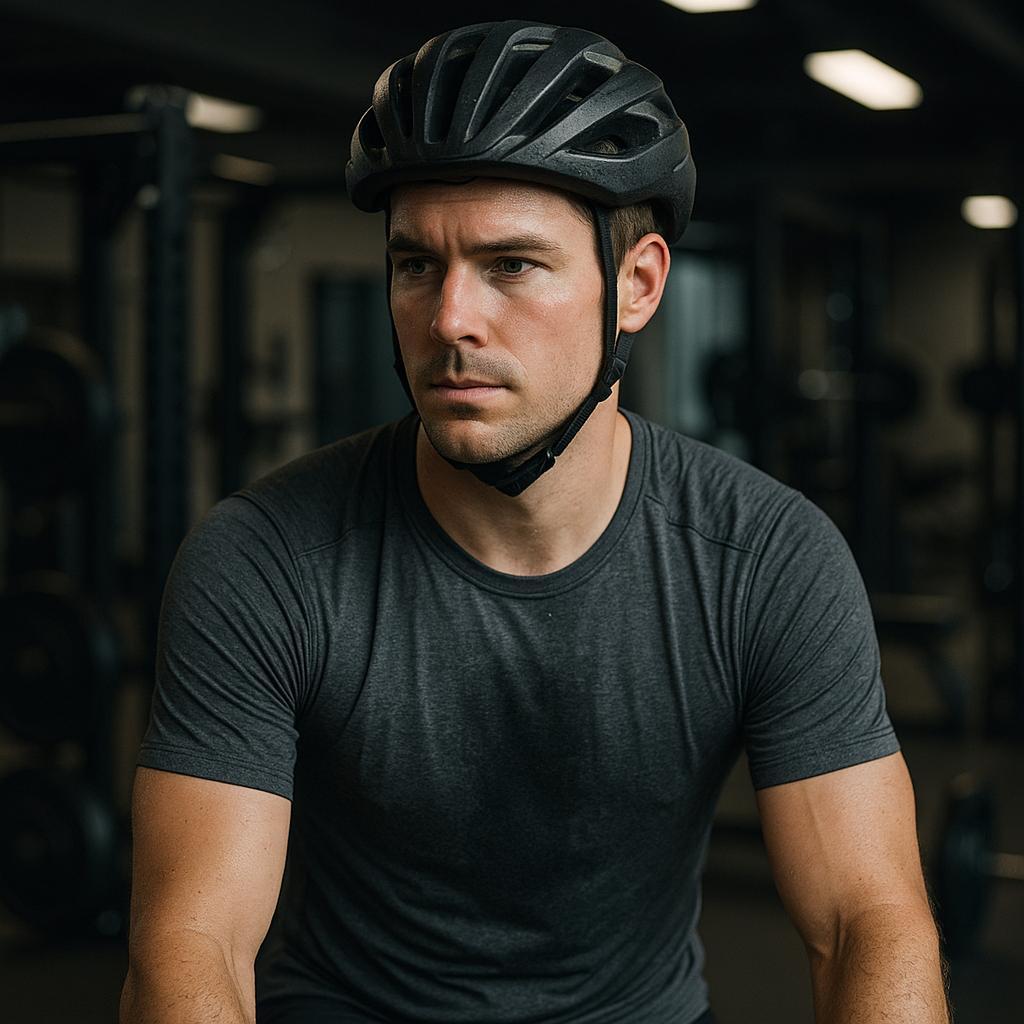
- Using helmets with safety certifications, including ANSI, Snell, or ASTM standards.
- Investing in visibility equipment, such as reflective clothing and bike lights for nighttime and low visibility conditions.
- Complying with traffic laws and regulations, including signalling turns, obeying traffic signs, and following the right of way.
For off-road, the safety measures include wearing full-face helmets, body armours, knee and elbow pads, and ensuring the serviceability of suspension and brake systems.
Equally important is the knowledge of the terrain and having an awareness of potential hazards such as unstable ground, rockfalls, and wildlife.
Mapping Out The Year-round plan
An integral part of safety for cycling athletes, especially in a country like Canada with diverse weather conditions, is year-round planning. With different seasons posing unique challenges, having a well-defined schedule can keep athletes safe and on track.
The year can be strategically divided into segments, each with its primary focus, as a notable example:
| Schedule | Primary Focus |
|---|---|
| Spring | Endurance building |
| Summer | Strength conditioning |
| Fall | Cross training |
| Winter | Indoor training/recovery |
Being prepared for diverse conditions, planning well in advance, and incorporating rest and recovery periods can considerably enhance an athlete’s performance and well-being. At the same time, it serves to instill safer practices and offers a structured approach to their cycling regime.
Optimizing Equipment Selection Clothing and Bicycle Maintenance Across Seasons
As a Canadian athlete, you face the unique challenge of cycling in a range of weather conditions. Whether its chilling winters or the sweltering heat, your equipment selection and bicycle maintenance routines need to be optimized to help you stay on track all year round. Failing to do so might not just effect your performance but could also present safety issues.
Let’s start with equipment selection. Choosing the right clothing is nothing short of a science, balancing performance, safety, and comfort. In the winter, it is essential to layer, starting with a moisture-wicking base, followed by insulating layers and a wind and waterproof shell. Highly ventilated and moisture-wicking clothing are suggested for the summer, while rain gear is a must for the rainy season. Pay attention to your extremities: gloves for winter, lighter versions for summer, and wool socks for winter and synthetic for summer.
Now, turning to bicycle maintenance, the changing seasons can bring about certain challenges. In winters, make sure you frequently check your tire pressure as cold weather can cause the pressure to drop. Come spring,clean and lube your bike thoroughly as they are likely to pick up many road debris and grit.
| Season | Clothing | Bicycle Maintenance |
|---|---|---|
| Winter | Layered, moisture-wicking base, insulating layers, waterproof shell, gloves, wool socks | Frequent tire pressure checks |
| Spring/Summer | Highly ventilated and moisture-wicking clothing, lighter gloves, synthetic socks | Cleaning and lubrication after every ride |
| Fall/Rainy | Rain gear, waterproof shell, hand and foot protection | Regular brake checks and tire treads inspection |
Remember, your safety and performance rely heavily on being properly equipped and ensuring regular bicycle maintenance. tailor your apparel and bicycle care routines to the challenges presented by each season to keep your cycling on track year-round.
Integrating Monitoring Technologies for Load Management Fatigue tracking and injury Prevention
The importance of incorporating monitoring technologies in an athlete’s training schedule cannot be overstated,especially when it comes to preventing overexertion and consequent injuries.By accurately tracking exertion levels in real-time, these technologies facilitate effective load management schedules for athletes. Heart rate monitors, GPS trackers, accelerometer-based sensors, and other wearable technologies can provide invaluable data about an athlete’s strain levels, biomechanics, and exhaustion rates, thereby enabling timely interventions and modifications to training plans.
Such technologies can be seamlessly integrated into a thorough cycle planning for athletes. Detailed monitoring of physical exertion and recovery can protect athletes from overtraining syndrome, a common pitfall that can severely hinder performance and expose athletes to unnecessary health risks. Regular data collection and analysis are key to prevention.Here’s an example of a tracking schedule:
| Day of the week | Workout Type | Monitored Metrics |
|---|---|---|
| Monday | Interval Training | Heart Rate, Distance, Speed |
| Tuesday | Strength Training | Load, sets, reps, fatigue index |
| Wednesday | Rest | Resting Heart Rate, Sleep Score |
This is just a sample plan for one week. The plan would expand and change over time based on the athlete’s response, seasonal demands, and performance goals. Combining such data-driven, proactive load management with year-round cycle planning can ensure that Canadian athletes remain safe and on track to peak performance.
Developing Contingency and Adaptation Strategies for Extreme Weather and Environmental Disruptions
Exposure and continuous adaptation to varying weather conditions and environments are integral for long-term athlete development and performance.However, it’s crucial that precautions are taken to keep athletes safe in extreme weather. Among these precautions, implementing contingency and adaptation strategies can effectively help athletes to remain at peak performance while minimizing the risk of adverse health impacts.
Let’s discuss these two strategies:
- Contingency Plans: These are pre-established actions designed specifically for undesirable situations.They might include plans to postpone or relocate training or competitions during extreme weather or environmental disruptions. For instance, in case of sudden heavy snowfall, having an indoor choice training site or facility would allow training to continue. Contingency plans should anticipate and address various threats, such as changes in air quality, natural disasters, and regional weather extremes.
- Adaptation strategies: This involves modifying the training regimen to suit the prevailing conditions. It could be as straightforward as adjusting training times to avoid the hottest part of the day or altering intensity levels to match harsh weather conditions – ensuring athletes are not overexerting themselves in unsafe environments.
| Primary Element | Contingency Plan | Adaptation Strategy |
|---|---|---|
| Air Quality | Relocation to indoor facilities or well-ventilated areas. | Reduction of training intensity and duration during poor air quality periods. |
| Weather Extremes | Alternative schedule or location for training and competitions. | Adjustment of training schedules to avoid peak hours of heat or cold. |
| Natural Disasters | Established evacuation plans and emergency interaction procedures. | Implementation of stress management and recovery practices post-disruption. |
implementing these strategies will not only protect athletes from possible health risks but also ensure their year-round cycle planning remains intact even in the face of environmental disruptions and extreme weather conditions.
Future Outlook
In closing, achieving peak performance as a cyclist demands effective training scheduling that ensures your safety while allowing you to maintain and improve your form. as evidenced throughout this article, year-round cycle planning is crucial for Canadian athletes due to the unique weather challenges that can significantly impact performance.Being adaptable to these changing conditions through smart planning should not only be an option but a must for every proactively-minded athlete. From off-season training to managing transitions between seasons, athletes must integrate strategic approaches into their routines for their overall well-being. It’s also necessary to continually emphasize safety precautions, as ignoring these can lead to unfortunate circumstances. The advice furnished within these sections can help inform cyclists’ decision-making throughout the year, culminating in a performance that truly reflects their utmost potential. It behooves athletes, trainers, and the broader Canadian athletics community to continuously develop and support such strategies that allow for progression in a safe and effective manner.