
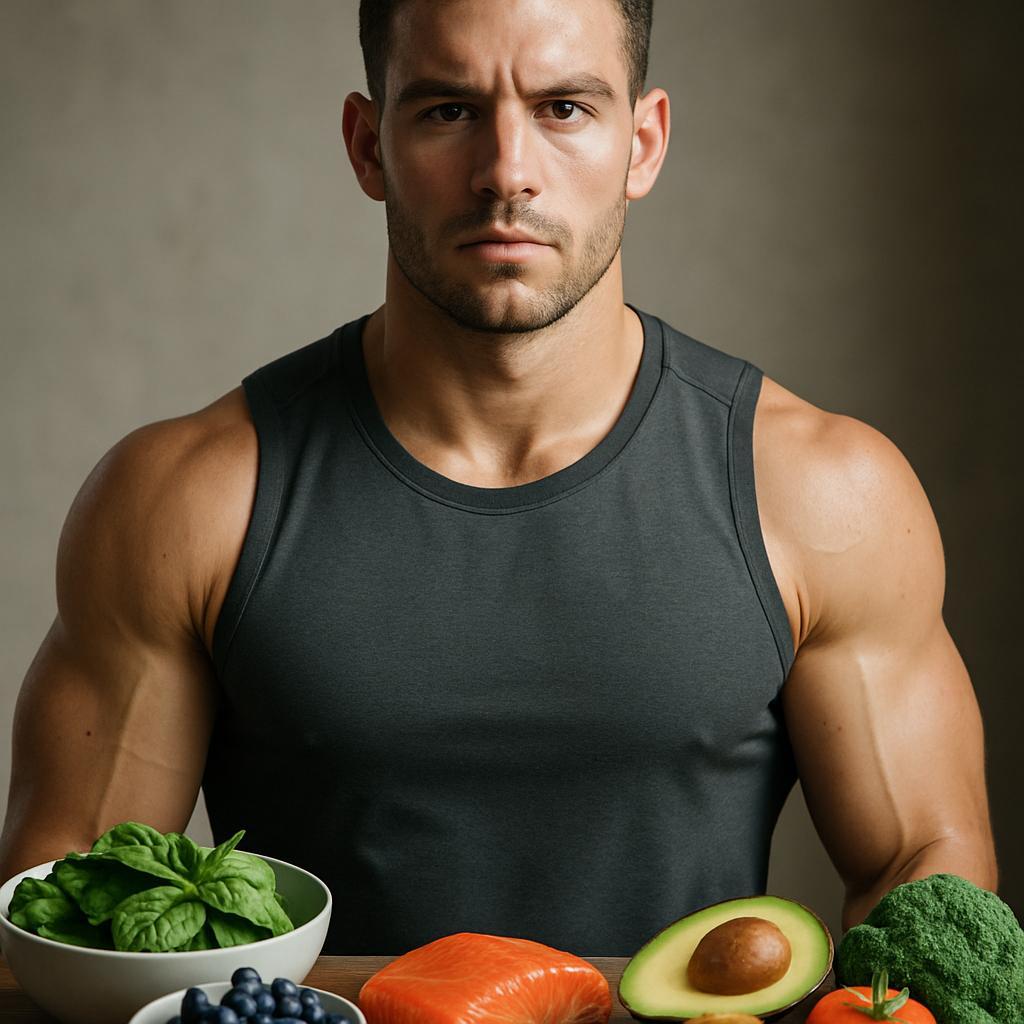
The study of nutritional science has asserted a profound relevance between diet and health over the years, thus broadening our comprehension of how specific dietary choices can influence overall physical well-being. This article aims too provide an in-depth exploration into the strong link between the consumption of particular nutrients and recovery enhancement. Undeniably, inflammation is a conventional response by the body’s immune system to injuries, infections, or external damage. However, chronic inflammation could emanate from prolonged exposure to unhealthy lifestyles, such as diets rich in trans-fats, sugar, and other pro-inflammatory agents, and it may lead to detrimental health complications over time. By focusing on foods renowned for thier high anti-inflammatory properties, this article will delve into, and ultimately identify, the top anti-inflammatory foods that can be incorporated into daily diets to aid and expedite recovery processes.
Understanding the Biology of inflammation and Nutritional Modulation
Inflammation is the body’s initial response to injury or infection. It’s generally beneficial in the short term, but chronic inflammation could lead to several health problems such as cardiovascular disease, arthritis, and even cancer. Nutritional modulation,the regulation of bodily processes through food and diet,can be influential in managing inflammation. Certain nutrients contain natural anti-inflammatory properties which can aid in a quicker recovery and improved overall health.
Taking a step towards nutritional modulation for inflammation begins with the awareness and intake of specific food items known for their anti-inflammatory effects.
- Omega-3 Fatty Acids: Found in foods like salmon, flaxseeds, and chia seeds, Omega-3 fatty acids have been shown to reduce inflammation.
- Antioxidants: Berries, cherries, oranges, and other foods rich in antioxidants can help decrease inflammation by reducing oxidative stress.
- Spices: Certain spices, including turmeric and ginger, have potent anti-inflammatory and medicinal properties.
- Leafy Greens: Green foods such as spinach, kale, and broccoli contain high amounts of inflammation-fighting nutrients.
| Food | Anti-Inflammatory Component |
|---|---|
| Salmon | Omega-3 Fatty Acids |
| Berries | Antioxidants |
| Turmeric | Curcumin |
| Spinach | Vitamins (E and K) |
Integrating these foods into your regular diet can enable your body to control inflammation levels better and expedite recovery processes.However, it’s essential to remember that food can’t replace professional medical treatment, but provide a supportive role in managing inflammation and enhancing recovery. Consult with your doctor or a dietitian before making significant dietary changes.
Omega 3 Rich Seafood and Plant Sources for Accelerated Tissue Repair
For accelerated tissue repair, there are two categories of omega-3 sources that are highly potent: certain types of seafood and specific plant-based foods. Omega-3 fatty acids have potent anti-inflammatory effects, that can help speed up the tissue repair process, and thus improve recovery.
Seafood Sources are one of the most efficient means of obtaining omega-3 fatty acids. the top tier sources in this group are generally cold-water fatty fish, including:
- Salmon
- Sardines
- Mackerel
- Tuna
- Trout
Plant Sources, on the other hand, are a great choice for those following a vegan or vegetarian diet or those allergic to fish. The most effective plant sources of omega-3 fatty acids include:
- Flaxseeds
- Chia Seeds
- Walnuts
- Hemp Seeds
- Brussel sprouts
The table below summarizes the omega-3 content of these sources:
| Food Source | Omega-3 content per 100 grams |
|---|---|
| Salmon | 2.260 grams |
| Sardines | 1.480 grams |
| Chia Seeds | 17.830 grams |
| Walnuts | 9.080 grams |
Remember that incorporating a mix of these sources into your daily diet can offer the best results for enhanced recovery,as each food contains a mixed profile of nutrients beneficial for overall health and well-being,along with their potent omega-3 content.
Polyphenol Dense Berries and Fruits for Oxidative Stress Reduction
A nutrient-dense diet is key in combating inflammation and enhancing recovery. While numerous food items have anti-inflammatory properties, certain fruits and berries packed with polyphenols stand out. Polyphenols are plant-based compounds with antioxidant attributes that shield the body from free radicals, lessening cellular harm and reducing oxidative stress.
In conjunction with their antioxidant capacities, polyphenols hold anti-inflammatory potentialities that aid in hindering chronic inflammations in your body. Let’s delve into some of these fruits and berries:
- Blueberries: These tiny berries are rich in anthocyanins, a type of polyphenol that provides numerous health benefits. Regular consumption can provide protection from oxidative stress and chronic illnesses.
- Strawberries: these delicious fruits contain a significant amount of polyphenols such as ellagic acid. These compounds have strong anti-inflammatory and antioxidant properties.
- Cherries: Cherries, particularly tart varieties, contain anthocyanins, and have shown significant anti-inflammatory effects in several studies.
- Apples: An apple a day, rich in flavonoids, can indeed keep inflammation away. They are known for reducing inflammation in the digestive tract.
| Fruit | Polyphenol type |
|---|---|
| Blueberries | Anthocyanins |
| Strawberries | Ellagic acid |
| Cherries | Anthocyanins |
| Apples | Flavonoids |
The fruits and berries aforementioned serve as a takeaway that incorporating polyphenol-dense foods in our diet can play a vital role in our well-being. Their impact on reducing oxidative stress and inflammation considerably contributes to enhanced recovery.
Cruciferous and Leafy Green Vegetables as Foundational Anti Inflammatory Staples
finding reliable sources of nutrients to combat inflammation might not be as challenging as you think. A primary port of call shoudl be the vegetable group known as cruciferous and leafy green vegetables. These include the likes of broccoli, cauliflower, kale, and spinach. Packed with vitamins A, C, and K, these veggies are proven to help reduce inflammation. Moreover, the high fiber content found in these vegetables also aids in maintaining a healthy gut microbiome, further assisting your body’s natural defenses.
Here are some of the cruciferous and leafy green vegetables to incorporate into your diet:
- Broccoli: Known for its high fibre and antioxidant content,broccoli is excellent for promoting a healthy gut and reducing inflammation.
- Cauliflower: In addition to being a great source of antioxidants, cauliflower is also high in choline, which is key for learning and memory.
- Kale: This trendy vegetable is an amazing source of vitamins A, K, and C, and contains substances that bind bile acids, which can lower cholesterol levels.
- Spinach: Loaded with nutrients and antioxidants, spinach is a versatile vegetable that can help combat oxidative stress, and thereby inflammation.
To help you better integrate these ingredients into your regular meals, we’ve created a simple table that suggests some recipe ideas incorporating these vegetables.
| Cruciferous & Leafy Green Vegetable | Recipe Idea |
|---|---|
| broccoli | Broccoli and Cheddar Soup |
| Cauliflower | Cauliflower Pizza Crust |
| Kale | Kale and Chicken Salad |
| Spinach | Creamed Spinach with Grilled Salmon |
Fermented Foods and probiotic Strategies to Regulate Immune Response
Diet forms a crucial component of the overall well-being of an individual, and more so in the regulation of immune response. One aspect that is gaining popularity in this sphere is the wholesome effect of fermented foods and certain probiotic strategies.Scientific research backs the fact that these food modulations positively impact the gut microbiota, which in turn, influences the body’s immune system.
Fermented foods like kimchi, kefir, and sauerkraut are loaded with beneficial bacteria or probiotics. When consumed, these foods paved the way for a healthy gut, acting as potent anti-inflammatory agents. This contributes extensively towards enhancing recovery after periods of stress, disease, or injuries.Other foods that offer similar advantages include:
- Yogurt, particularly those low in sugar and rich in live cultures
- Traditional pickles without the use of vinegar
- Certain types of cheese such as gouda, mozzarella or cottage
- Naturally fermented soy products like miso and natto
Alongside these options, certain probiotic strategies can help regulate the immune response effectively. As an example, regularly taking a high-quality probiotic supplement can support gut health, improving the body’s immune response.
| Fermented Food | Probiotic Strain |
|---|---|
| Kimchi | Lactobacillus kimchii |
| Kefir | Lactobacillus kefiranofaciens |
| Sauerkraut | Leuconostoc mesenteroides |
Foods that facilitate a healthy gut microbiota and supplement strategies arm the immune system, enabling it to optimally protect the body from internal and external threats.Therefore, integrating them into the daily diet can offer significant health benefits, including the much-needed anti-inflammatory effects for accelerated recovery.
Practical Meal Planning and Timing for Maximizing Anti Inflammatory Benefits
When you embark on a meal plan aimed at maximizing anti-inflammatory benefits, understanding the timing of when to consume specific foods is as crucial as what you eat. This not onyl helps to manage inflammatory reactions but also enhances the body’s natural recovery process. Research has shown that consuming anti-inflammatory foods at the right time can magnify their benefits.Such foods appear to aid in the reduction of inflammation-induced damage to cells,boost your immunity,and promote your overall health and wellbeing.
the first step toward managing inflammation through diet is identifying anti-inflammatory foods and integrating them into your daily meal plan. Here’s a list to get you started:
- Berries – Rich in antioxidants and known for their anti-inflammatory properties.
- Fatty Fish – Abundant in Omega-3 fatty acids that fight inflammation.
- Broccoli – A potent source of antioxidants and anti-inflammatory compounds.
- Avocados – Packed with fibre, monounsaturated fats, and antioxidants.
- Green Tea – Teeming with anti-inflammatory polyphenols.
Next, incorporate these foods into a specific meal timeframe to optimize their benefits. Aim to have fatty fish at dinner, as the Omega-3 fatty acids aid in overnight recovery and reduce inflammation that might have been caused throughout the day. Berries, rich in antioxidants, can be consumed in the morning to provide a day-long shield against oxidants. For late-night snacks, opt for options like avocados and green tea. Remember, consistency and planning make all the difference when it comes to reaping the benefits of an anti-inflammatory diet.
You can keep track of your meal planning and timing with a daily food table like the one below:
| Breakfast | Lunch | Snack | Dinner |
|---|---|---|---|
| Berries Smoothie | Broccoli salad | Avocado and Green Tea | Grilled Salmon |
Adopting a practical meal planning and timing strategy is a proactive approach toward managing inflammation, promoting recovery, and improving your overall quality of life.
Concluding Remarks
nutrition plays a critical role in inflammation regulation and the body’s overall recovery process. Incorporating anti-inflammatory foods such as fruits, leafy green vegetables, fatty fish, nuts, and seeds into your regular diet can significantly enhance the body’s mechanism to ward off inflammation and promote faster recovery. Evidence continues to highlight the potential benefits of these healing diets in managing various health conditions. Therefore, a well-rounded diet focusing on these anti-inflammatory foods may not only assist in recovery but could also contribute to better overall health and wellness. Further research in this domain is warranted to establish complete dietary guidelines that could potentially reduce inflammation-associated health burdens in our present society. Remember, every dietary choice adds up to build a healthier you, so make those choices count.