
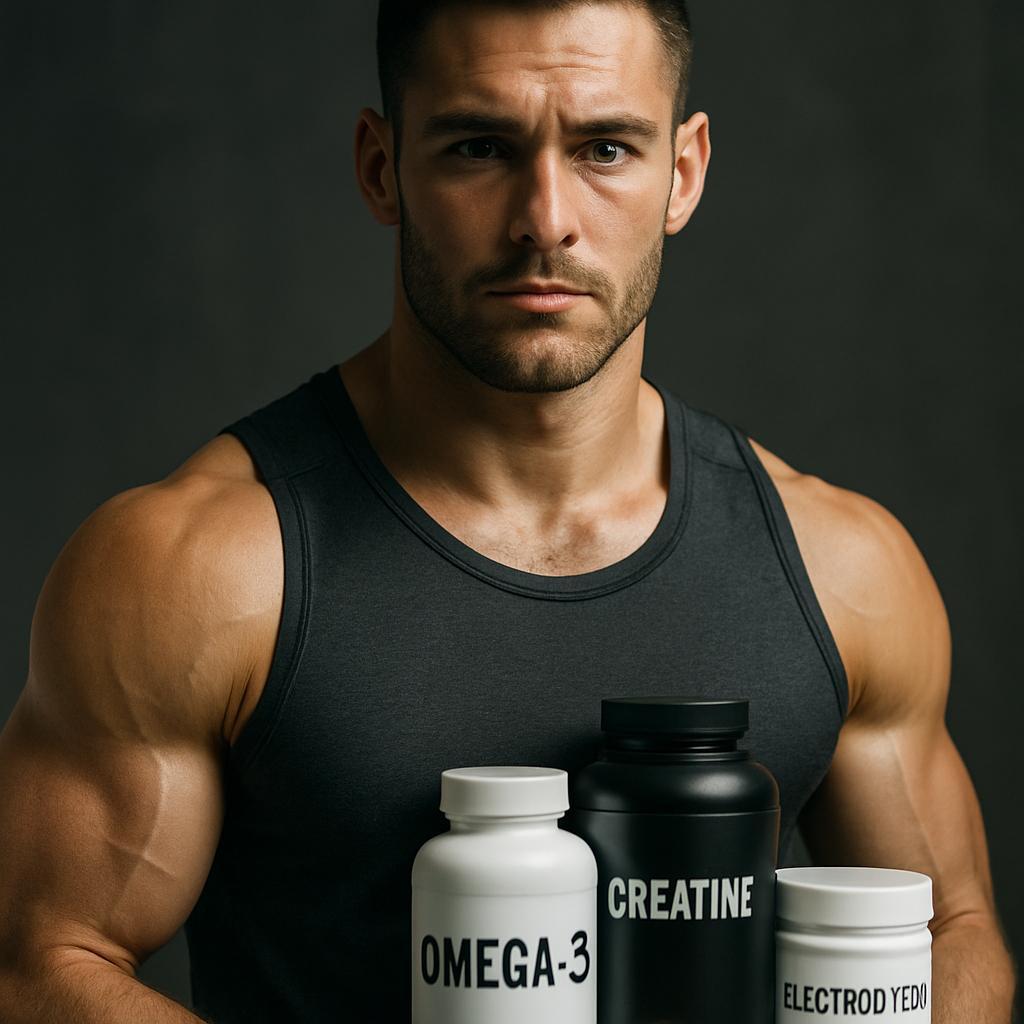
Understanding the intricate connections between nutrition and exercise performance is vital for anyone seeking to optimize their cycling ability. The role of key nutrients, namely Omega-3 fatty acids, Creatine, and Electrolytes, has been extensively studied for their important contributions to endurance, muscle function and recovery, and overall performance. This article seeks to delve into the critical functionality of these supplements as essential cycle support. Through a careful review of current research, we will explore how incorporating these essential nutritional elements into a cyclist’s diet can considerably enhance performance and speed recovery. The objective is to provide a comprehensive understanding in a professional context, linking scientific evidence with practical advice for cyclists aiming to augment their performance output.
Mechanistic Role of Omega 3 Fatty Acids in Inflammation Modulation and Cardiovascular Protection During Cycling Protocols
Emerging research has continuously established the cardioprotective and inflammatory-modulating role of Omega-3 fatty acids in the body.Especially for cyclists and people devoted to rigorous exercise routines,these essential compounds provide a critical line of defense against pathological inflammatory responses that could compromise physical performance and overall health status.
Omega-3 fatty acids function by mitigating the production of inflammatory biomarkers known as eicosanoids, substances directly responsible for inflammation and pain in the body. They achieve this through a relatively complex enzymatic process that results in suppressing the production of proinflammatory substances and enhancing the production of anti-inflammatory compounds.
- ALA (Alpha-linolenic acid): Primarily found in plant oils like flaxseed, walnut, and hemp, ALA combats inflammation at the cellular level, helping to maintain the integrity of cell membranes.
- EPA (Eicosapentaenoic acid) and DHA (Docosahexaenoic acid): Predominantly found in fatty fish and seafood, they act synergistically to suppress the production and activation of substances that promote inflammation.
Further benefiting cardiovascular health,Omega-3s decrease triglyceride levels,escalate high-density lipoprotein (HDL – ‘good cholesterol’),and inhibit platelet aggregation. Thereby,reducing the propensity of atherosclerotic plaque formation,a major risk for cardiovascular disease (CVD).
| Omega-3 Fatty Acid | Main Dietary Source | Primary Function |
|---|---|---|
| ALA | Plant oils (e.g., flaxseed, walnut) | Inflammation regulation, cellular health |
| EPA and DHA | Fatty Fish and Seafood | Suppress inflammatory responses, cardiovascular protection |
Evidence Based Dosing Strategies and Safety Considerations for Omega 3 Supplementation in Cycle Support
Omega-3 fatty acids, primarily found in fish oil, have a myriad of health benefits including the reduction of inflammation and enhancement of heart health. Moreover, they are an essential component in cycle support supplements, which are designed to promote optimal physical performance and recovery. The recommended dosage frequently enough varies, but generally falls within the range of 250mg to 2000mg per day. However,it’s crucial to consider personalized dosing depending on the individual’s dietary habits and other factors like age,weight,and medical conditions.
Safety considerations are also paramount when implementing omega-3 supplementation.With excessive consumption, one may experiance side effects such as nausea, diarrhea, or even adverse interactions with certain medications. Proper balance is key,avoiding dosing on an empty stomach can also perhaps mitigate some of these effects. It is always advisable to consult with your healthcare provider before starting any new supplement regimen.
| Dosing Strategies | Safety Considerations |
|---|---|
| Tailored dosing based on individual requirements | Monitor for side effects and potential medication interactions |
| Avoid supplementation on an empty stomach | Consultation with healthcare provider prior to commencing use |
triumphant cycle support through omega-3 supplementation involves strategic dosing and safety vigilance. Neither pursuit should be taken lightly, as each plays a significant role in ensuring maximal benefit and minimizing potential harm.
Creatine as a Neuroprotective and Ergogenic aid Under Anabolic or Prohormone Cycles
Taking creatine as a supplement during anabolic or prohormone cycles can prove to be beneficial in various ways. Importantly, it is known for its neuroprotective qualities. The brain greatly benefits from increased creatine levels, which increases ATP production. ATP-adenosine triphosphate-is the primary energy transporter in cells. While nerve cells possess mechanisms to produce their own ATP, they may sometimes fail to keep up with high energy demands.
Besides being a neuroprotective, creatine also notably acts as an ergogenic aid. It helps the body sustain prolonged periods of high-intensity exercise by restructuring the body’s energy stores.regular ingestion of creatine increases the body’s phosphocreatine reserves, buffering the decrease of ATP during intense effort. This helps to maintain peak performance throughout the cycle.
| Duration of Cycle | Recommended Creatine Dosage |
|---|---|
| Under 4 weeks | 5-7 grams/day |
| 4 – 12 weeks | 3-5 grams/day |
| Above 12 weeks | consult a Health Professional |
Please note, the dosages mentioned are speculative and should not replace individualized advice from a health professional. During a cycle, support with other essential supplements such as Omega-3s and electrolytes should also be considered for optimal benefits.
- Omega-3s have anti-inflammatory properties and support cardiovascular health.
- Electrolytes play a crucial role in maintaining hydration,nerve impulses,and muscle contractions.
creatine, when effectively incorporated into an anabolic or prohormone cycle, can maximize physical performance and protect brain health. Use it as a supportive supplement along with a balanced diet and optimized exercise regimen for best results.
Optimizing Creatine Timing, Formulation and Co Supplementation for Muscle Preservation and Recovery
In understanding how to optimize creatine timing and formulation, we must first step back and view the broader picture of muscle preservation and recovery. creatine, an organic acid naturally produced in the body, aids in providing energy to muscles and nerve cells. Research indicates that supplementing with creatine can increase the body’s storage of phosphocreatine, allowing a faster resynthesis of ATP (energy source of cells) during high-intensity workouts. This can lead to better performance and increased muscle growth.
- Timing: With regard to creatine, timing is everything. The most optimum time to take creatine is likely post-workout, during the body’s glycogen replenishment phase. Some studies also recommend supplementing creatine before your exercise for maximal absorption.
- Formulation: Creatine monohydrate is the most studied and widely recommended form due to its safety and efficacy. However, other types like creatine ethyl ester or micronized creatine might offer better solubility and absorption.
- Co-supplementation: Combining creatine with other supplements can harmoniously enhance muscular recovery. Notably, the duo of creatine and omega-3s has been highlighted. Omega-3 fatty acids are known for their anti-inflammatory properties and ability to aid in muscle protein synthesis, making them a perfect complement to creatine.
Implementing electrolytes in your cycle support can also be beneficial for muscle recovery. Sodium, potassium, and magnesium regulate fluid balance, nerve signals, and muscle contractions. A deficiency or imbalance in these minerals can result in cramps, muscle fatigue, and weakness. Adequate hydration and electrolyte intake are essential especially during strenuous workouts when these minerals are lost through sweat.
| Supplement | Benefits |
|---|---|
| Creatine | Increases muscle energy, boosts performance, promotes muscle growth |
| Omega-3s | Reduces inflammation, aids in muscle protein synthesis |
| Electrolytes | Regulates fluid balance, nerve signals, and muscle contractions |
Remember, each individual’s nutritional needs might potentially be different, and it’s vital to adjust supplement intake based on personal goals and health conditions. Always consult with a healthcare provider before starting any dietary supplementation plan.
Electrolyte Homeostasis Fluid Balance and Cardiac Conductivity in Intensive Training and Pharmacological Cycles
In the pursuit of optimal performance or physique, intensive training and pharmacological cycles frequently enough push the body’s system to its limits. The body undergoes significant stress, and if not properly supported, could lead to potential health risks. One crucial aspect of support, often overlooked, revolves around electrolyte homeostasis, fluid balance and cardiac conductivity.
A fine balance of electrolytes – particularly sodium, potassium, and calcium – is essential for maintaining the body’s fluid balance and promoting optimal heart function.Intensive exercise subjects the body to electrolyte losses through sweat, which, if not replenished, could disrupt electrolyte homeostasis, alter fluid balance and affect cardiac conductivity. In the context of pharmacological cycles, some substances may cause fluctuations in electrolytes, further emphasizing the need for electrolyte balance support.
Supplementation with Omega-3 fatty acids and Creatine has been shown to help manage the body’s responses to training stress and electrolyte balance maintenance. Omega-3s, which are beneficial for heart health, play a critical role in cell membrane function, thus aiding electrolyte balance and cardiac conductivity. Creatine, on the other hand, can enhance muscle hydration, therewith supporting fluid balance.
| Supplement | Benefit |
|---|---|
| Omega-3s | Improves heart health and aids in electrolyte balance |
| Creatine | Enhances muscle hydration, supports fluid balance |
Along with this, adequate hydration and a balanced diet rich in electrolytes from food sources are cornerstones in maintaining electrolyte homeostasis and cardiac conductivity, especially during periods of intensive training or pharmacological cycles. Experts recommend that athletes or individuals undergoing intensive training ensure these aspects are met to promote overall health and top performance.
It is, therefore, crucial that those who engage in intensive exercise regimens and pharmacological cycles consider a comprehensive support plan that includes a balanced diet, hydration, and necessary supplementation such as Omega-3s and Creatine.
Practical Protocols for Integrating Omega 3s Creatine and Electrolytes into Comprehensive Cycle Support Plans
As a cornerstone of any comprehensive cycle support plan, Omega-3 fatty acids supply necessary nutrients to help your body maintain optimal fitness levels. As a vital component of cell membranes, Omega-3s have been recognized for their ability to improve heart health and reduce inflammation. Integrating Omega-3 fatty acids into your diet can be as simple as consuming fatty fish like salmon or mackerel at least twice a week. For those who prefer supplementation, look for high-quality Omega-3 supplements rich in EPA and DHA.
| source | Omega-3 content per 100g |
|---|---|
| Salmon | 2.6g |
| Mackerel | 5.0g |
| Omega-3 Supplement | Varies |
Creatine and electrolytes also stand as pillars of cycle support. Creatine is a naturally-occurring amino acid that helps your muscles produce energy during heavy lifting or high-intensity exercise. It’s crucial to ensure a regular intake for those aiming to improve athletic performance and muscle gains.
- Add a spoon of creatine to your post-workout shake
- Include creatine-rich food in your diet like red meat and fish
Meanwhile, electrolytes are minerals that carry an electric charge in our bodies. They help balance pH levels, move nutrients into cells, and remove waste from cells. You lose electrolytes when you sweat, making them crucial for those who engage in long cycles.
- Sip on an electrolyte-infused drink during your workout
- Snack on a banana or yogurt post workout
| Element | Role in the body |
|---|---|
| Creatine | Energy production, augment athletic performance |
| Electrolytes | Balancing pH levels, nutrient transportation, waste removal |
Remember, integrating these three elements – Omega-3s, Creatine, and Electrolytes – into your cycle support plan can significantly improve your performance and overall well-being.
Future Outlook
Omega-3s, creatine, and electrolytes are undeniably essential components for anyone embarking on cycling training, leisure or professional sport. Their consistent provision, in the right amounts, can undoubtedly enhance performance while promoting speedy recovery and overall wellness. as we have detailed in this article, these substances are responsible for an array of bodily functions, from facilitating muscle contraction, to reducing inflammation, and maintaining fluid balance. While availabale through diet, supplementation may be beneficial to ensure optimal levels. Though, one must prioritize professional advice from nutritionists or sports medicine practitioners to ensure the right balance and dosage. Further research is encouraged to build an understanding tailored specifically to individual health status and performance goals. This knowledge will undoubtedly be a catalyst for a successful cycling journey.