
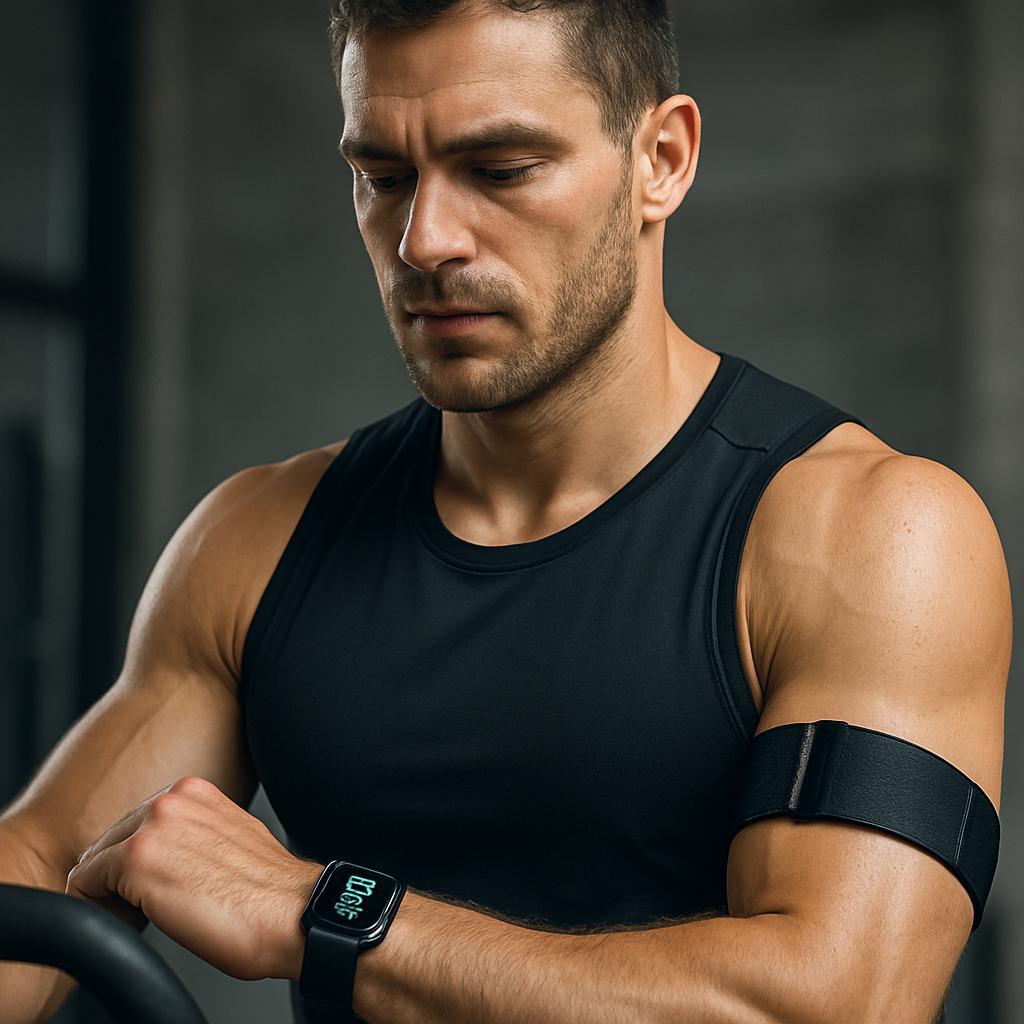
in recent years, the potential of wearable technology in augmenting recovery mechanisms through monitoring physiological parameters has been extensively explored. The rapid technological advancements in the field of wearable devices, colloquially referred to as ‘gear’, have irrefutably expanded their potential beyond mere fitness tracking. They have evolved into sophisticated tools with applications spanning across varied fields, rehabilitation, and recovery being one of the most notable. The primary objective of this article is to comprehensively elucidate on the role and effectiveness of wearables in facilitating the monitoring process during recovery. The article intends to explore the diverse spectrum of wearables available today, dissect their methodologies, scrutinize their implications, and examine their pros and cons. As this is a relatively emergent field of study, it is pertinent to understand and appreciate the integration of this avant-garde technology in the process of recovery and rehabilitation.
Physiological metrics Captured by Wearables During Enhanced Training
For athletes pushing their bodies to the limit through enhanced training programs, monitoring recovery is crucial to avoid injury and balance progress. Wearable devices have emerged as an effective tool in capturing key physiological metrics that can inform one’s recovery strategy.by wearing sensors, athletes can gain real-time insights into a number of physiological parameters such as heart rate, body temperature, sweat levels, and muscle oxygen saturation.
An array of wearables on the market cater to specific athlete needs,each providing comprehensive insight into the wearer’s state of wellness. With devices capable of monitoring:
- Cardiac Activity: Tracking resting heart rate (RHR) and heart rate variability (HRV) give crucial indications about the cardiac system’s recovery. A consistently elevated RHR or low HRV may signal insufficient recovery or overtraining.
- Nutritional Status: Tracking hydration levels and electrolyte balance can help optimize an athlete’s nutrition and hydration strategy.
- Muscle Activity: Some wearables offer electromyography (EMG) sensors that monitor muscle activity, assessing if the muscles are overworked or undertrained.
| Wearable Device | Physiological Metrics |
|---|---|
| Smartwatch | Heart Rate, Calories Burned, Steps |
| Fitness Band | Resting Heart Rate, Sleep Quality, Steps |
| Smart Clothing | Muscle Activity, Body Temperature, Sweat Levels |
Wearables, in truth, are giving athletes an added edge by offering a deeper understanding of their body’s responses to training sessions. This data-focused approach towards training and recovery can lead to more effective performance and possibly lower injury risk.
Interpreting Recovery indicators when Combining Wearables and Performance-Enhancing Gear
Understanding recovery indicators from wearable technology while using performance-enhancing gear is paramount in establishing an effective training regimen. this becomes easier with the continuous data tracking ability of today’s wearable technology. Heart rate variability (HRV), resting heart rate (RHR), and sleep duration are common and essential metrics that wearables provide to monitor your recovery following intensive training.
HRV provides an insight into your cardiovascular system’s health, RHR is a critical indicator of your overall health and fitness level, and sleep duration informs about your nervous system recovery and repair. Take note of these qualifiers:
- A lower resting heart rate suggests better cardiovascular health and efficient heart function.
- Higher variability in your heart rate indicates a healthy and responsive cardiovascular system.
- The greater amount of sleep helps in recovering faster from strenuous workouts or training.
The following table provides an optimized timeframe to consider for these recovery indicators when training with performance-enhancing gear:
| Recovery Indicator | Optimal Time frame |
|---|---|
| Resting Heart Rate (RHR) | Frist thing in the morning |
| Heart Rate Variability (HRV) | Before, during and after workout |
| Sleep duration | Minimum 7-9 hours |
Remember, using wearable technology with performance enhancing gear will provide effective and accurate measurements of your recovery indicators, thereby increasing your training efficiency. Hence,it is meaningful to interpret these recovery indicators correctly for an effective workout strategy.
Integrating Wearable Data into Periodized Recovery Protocols for Geared Athletes
Wearable technology is no longer a novelty reserved for tech geeks. With the rise in fitness consciousness,wearables have become an essential tool for athletes and fitness enthusiasts,providing valuable data regarding their health and fitness levels.Of particular interest is the role that wearable data can play in the implementation of periodized recovery protocols for geared athletes. The customizable nature of these protocols entails scheduling active recovery periods and gradually increasing strain on the body, with the aim of maximising efficiency and performance and minimizing the risk of injury.
Consider the following ways you can harness the potential of wearables to enhance periodized recovery protocols:
- Track Rest and Stress Cues: The heart rate variability (HRV) feature in most wearables provides insight into an athlete’s readiness to strain and overall stress levels. This data can be used to optimize recovery phases based on individual responses.
- Sleep Monitoring: Sleep quality and duration substantially impact recovery.Wearables monitor sleep patterns, offering insights that could inform the duration of recovery periods.
- Activity Level Monitoring: Data on daily step count and active minutes can be used to adjust the intensity and duration of recovery periods for a more personalized approach.
| Wearable Features | Benefits for Athletes |
|---|---|
| HRV Tracking | Indicates stress levels and readiness to strain, enabling optimized recovery periods. |
| Sleep Monitoring | Provides insights to inform duration of recovery periods. |
| Activity Level Monitoring | Enables the adjustment of recovery intensity and duration for a personalized approach. |
The integration of wearable data into periodized recovery protocols facilitates a more strategic and individually tailored approach to recovery, resulting in enhanced performance and minimized injury risk for geared athletes.As such, the potential that wearable technology presents for athletic performance and recovery protocols is noteworthy and emphasizing its significance in sports science is a must.
Evidence-Based Thresholds and Alert Criteria for Recovery Monitoring With Wearables
In recent years, wearable technology has become increasingly popular, notably among people aiming to monitor their health and fitness. It not only allows us to keep track of our physical activity but, importantly, also offers special features that can alert us if recovery rates fall below set thresholds based on evidence-based research. This means, as an example, if your heart rate or sleep pattern destabilizes past a certain level after a strenuous workout, your wearable device would notify you, assisting you in understanding when your body is adequately recovered and ready for the next session.
Several essential recovery metrics deserve particular note. These include heart rate variability (HRV), sleep quality, oxygen saturation (SpO2), and energy expenditure, to name a few. In the table below, we provide evidence-based thresholds for each of these metrics with their respective alert criteria. It’s critically important to remember, these thresholds can vary on an individual basis, depending on overall health, age, gender, fitness level, and lifestyle. Following is an example of how these parameters can be set:
| Recovery Metric | Evidence-Based Threshold | Alert Criteria |
|---|---|---|
| Heart Rate Variability (HRV) | 80 units (lower limit) | Below 80 units for 3 consecutive days |
| Sleep Quality | 7 hours (minimum) | Less than 7 hours for 2 consecutive nights |
| Oxygen Saturation (SpO2) | 95% (minimum) | Below 95% at rest |
| Energy Expenditure | 2,000 kcal (minimum) | Below 2,000 kcal daily |
In a nutshell, wearable technology has become an essential tool for fitness enthusiasts and sports professionals to monitor their health and recovery accurately. Using evidence-based thresholds and alert criteria,these devices can effectively prevent overtraining and encourage optimum performance.
Individualizing Recovery Strategies Through Longitudinal Wearable Data Analysis
Wearable technology has enormously impacted the field of health and fitness by providing real-time, personalized insights into a person’s wellbeing. Particularly in the domain of sports and exercise, wearable data are commonly employed for tracking an individual’s recovery process. Evaluating physiological parameters such as heart rate, skin temperature, sleep cycles, and movement patterns aids in understanding the recovery state of an athlete, thus offering a comprehensive viewpoint on their overall health.
These highly personalized insights help to tailor recovery strategies according to individual needs. By consistently monitoring an athlete’s physical and physiological responses to training, wearables facilitate the tuning of rest periods, identification of potential risks, and fortifying of injury prevention strategies. Consider the following examples:
- Heart Rate Variability (HRV): High variability signifies a healthy and recovered state, whereas lower HRV can signal overtraining or insufficient recovery.
- sleep Monitoring:Quality and duration of sleep are critical components of recovery. Wearables tracking sleep pattern can help adjust rest schedules proposed for individuals.
- Movement Analysis:The way an athlete moves can indicate muscle imbalances or mobility issues, which can be addressed through exercises targeting those specific areas.
Employing a data-driven approach by integrating wearable technology can result in a more harmonized and effective recovery routine for athletes. As depicted in the table below,the type of wearable device,the monitored metrics,and their implications are all factors impacting recovery strategies:
| Type of Device | Monitored Metrics | Implications for Recovery |
|---|---|---|
| Fitness tracker | Heart Rate,Sleep Quality | Determines the need for rest or training modification. |
| Smart Watch | Physical Activity, Calories burned | Suggests dietary adjustments or rehydration needs. |
| Wearable Motion Sensors | Posture, Movement Patterns | Forecasts the need for corrective exercises for injury prevention. |
the competent interpretation of wearable data is key to the individuation of recovery strategies. As no two athletes will have the same recovery process, highlighting the uniqueness of each individual’s needs and responses to training is important. Thus, the bright use of wearable data is a step towards ensuring long-term health, sustainable performance, and prevention of potential injuries among athletes.
In Retrospect
wearables present a promising frontier for both athletes and individuals engaged in physical activity. They provide a more objective means of monitoring the recovery process while using gear, without being too intrusive or causing any form of discomfort. The immediate and long-term effects of using wearables as means of recovery monitoring are not limited to injury prevention, but also include advancement in performance and overall health. However, while technology continues to evolve rapidly, there are ethical considerations which need to be addressed, without which the potential benefits could be compromised. Therefore, it is critical for users to consider their privacy and security when opting for wearables. Irrespective, by augmenting recovery through constant surveillance, and providing valuable insights into personal health, wearables are undoubtedly playing an instrumental role in rewriting the physiology of physical recovery. Future research should focus on rectifying the limitations associated with these devices, thus optimising their implementation to their full potential.