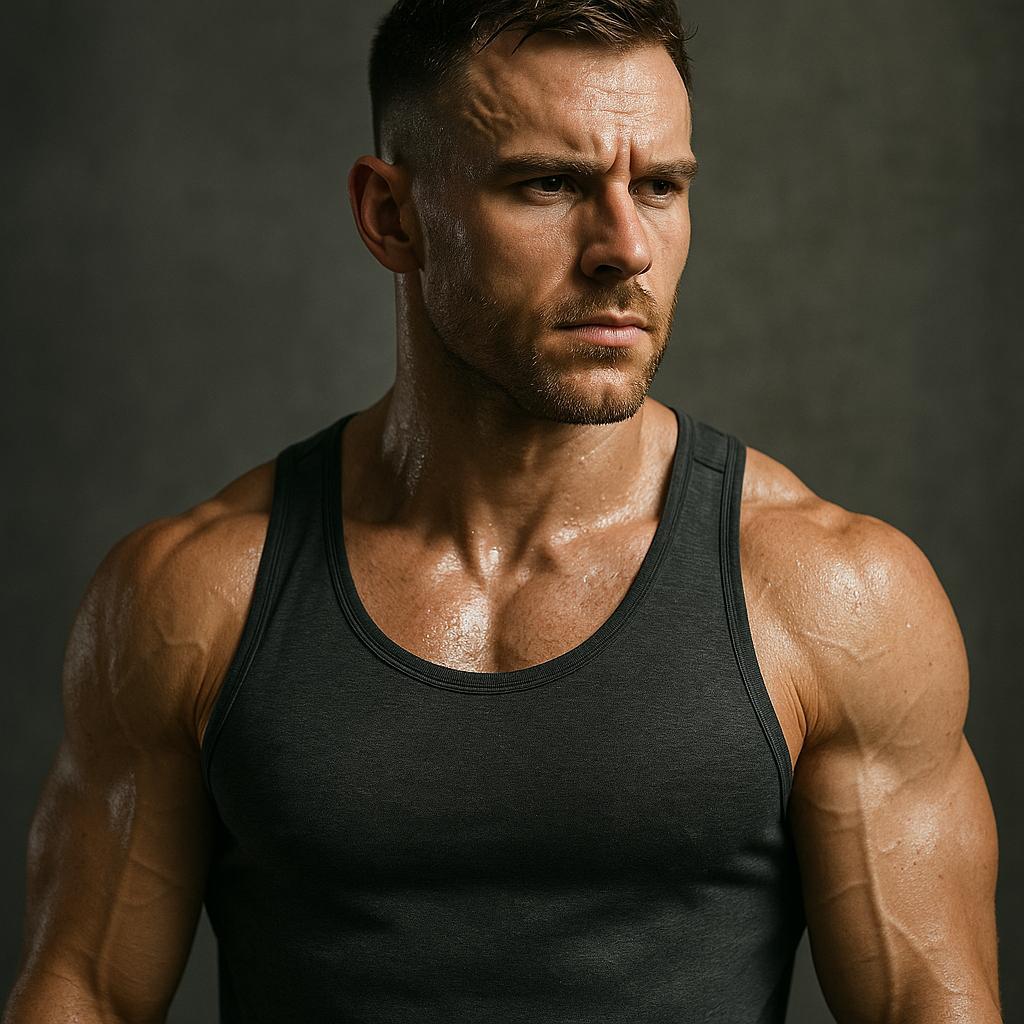
In the realm of fashion, advertising, and photography, the aesthetic appearance of the individual in front of the lens holds paramount importance. One’s preparedness for the camera considerably influences the quality of the resulting image and, by virtue, the success of the objective at hand, be it personal photography or high-profile modeling. Though, a crucial but frequently enough overlooked aspect of this readiness regimen is the process of ’drying out’. This article aims to elucidate on the concept of ‘drying out’, to perceive its impact on the appearance of an individual, and to provide practical insights on practices that can help persons to appear at their absolute best during photoshoots. To embrace objectivity, extensive review of scientific evidence on the subject, along with widely acclaimed industry practices and expert advice, will be thoroughly examined and discussed. Let us delve into this intriguing domain of photoshoot preparation that possibly has a profound impact on the art of making visually aesthetic impressions.
Understanding Fluid Retention and Its Impact on Photographic Appearance
Fluid retention, often termed water retention or edema, is a bodily occurrence that involves an excess accumulation of water in the circulatory system or within cavities and tissues of the body. It can lead to visible bloating and puffiness,especially in the hands,ankles,legs,and face. This condition can affect the results of a photoshoot, as the camera tends to visually intensify any swellings or bloat.This can result in photographs that don’t truly represent your regular physical appearance.
When prepping for a photoshoot,it is therefore essential to
reduce fluid retention to look your best in front of the lens. A few effective strategies include:
- Increasing your water intake: Even though this might sound counterintuitive, the body frequently enough retains water to avoid dehydration. By drinking more water, you reassure your body that it’s not at risk of dehydration.
- Loving the limbs: Leg and arm exercises can prevent fluids from accumulating in these areas, hindering that bloated look.
- Eating foods rich in potassium: Foods such as bananas,avocados,and sweet potatoes can definitely help balance your sodium levels,thus reducing water retention.
moreover, reducing your salt intake and incorporating diuretic foods (such as pineapples and asparagus) into your diet can significantly diminish puffiness. Ultimately ensuring a more photogenic and authentic depiction of yourself.
| Strategy | Description |
|---|---|
| Increase water intake | Adequate hydration reassures the body, causing it to retain less water |
| Exercise | Working out helps prevent fluid accumulation in limbs |
| Eat potassium-rich foods | These foods balance your sodium levels, thereby reducing fluid retention |
| Reduce salt intake and eat diuretic foods | This can diminish puffiness, leading to a better photographic appearance |
Optimizing Short Term Dietary Strategies for a Defined and Photogenic Physique
Jump-starting your physique’s readiness for a photoshoot doesn’t mean drastically reducing calories or running out to purchase the latest “miracle” supplements. Rather, it involves tweakings to your usual meal plan.Your macronutrient intake will play a significant role in this venture. This means prioritizing lean proteins, fresh vegetables, and complex carbohydrates. Foods rich in sodium and added sugars should be avoided as they contribute to water retention and bloating. Drink plenty of water to aid with digestion and flush out toxins from the body.Practice this eating pattern several days before your photoshoot.
Alongside this, fasting can also be a useful tactic for achieving a photogenic physique.Intermittent fasting, in particular, has been linked to weight loss and fat burn, due to its ability to create a calorie deficit. However, it’s crucial not to overdo this, as it can lead towards muscle catabolism- the opposite of your muscle definition intention.
| Food Category | Suggestion |
|---|---|
| proteins | Opt for lean choices such as chicken breast, turkey, and tofu. |
| Carbohydrates | Include complex carbs such as sweet potatoes, brown rice, and oats. |
| Fats | Ensure to get healthy fats from sources like avocados, nuts, and seeds. |
Moreover, your meal timings and meal sizes can also have tangible effects. Remember, large meals can lead to distension of the stomach. So, it’s better to consume multiple small meals throughout the day than three larger meals. This will keep your metabolism active and your digestive system operational, preventing bloating and stomach discomfort. Prepare a meal plan in accordance with your training schedule to fuel your body optimally.
Evidence Informed Hydration and Sodium Management Prior to the Photoshoot
Keeping hydrated before a photoshoot is critical for the overall skin tone and muscle definition, but it’s equally essential to effectively manage sodium intake. Excessive sodium can lead to water retention and bloating, undesirable traits when you’re planning to be in front of the lens.
The first step to achieving a dry and defined physique for your photoshoot is understanding your hydration needs. Aim for at least 3 liters of water intake per day,but remember to moderate this about a day or two before the photoshoot to avoid a bloated appearance. Drink your fluids throughout the day rather of all at once, as this ensures that your body stays hydrated and helps in maintaining an optimal metabolic rate.
- Green tea: It is a great option as it not only helps in hydration but also expedites the fat burning process.
- Water: Simple water can be your best ally. accustom your body with frequent sips.
Alongside hydrating in an evidence-informed way,sodium management also plays a pivotal role. Sodium balances the water levels in our bodies but too much can cause water retention and result in a softer, less defined appearance. Therefore, in the week of your photoshoot, limit heavily processed meals which are usually rich in sodium. Also, keep tabs on calibration of sodium by means of natural sources like:
| Food item | Sodium content |
|---|---|
| Avocado | 14 mg per cup |
| Unsalted almonds | 1 mg per 24 nuts |
the lead up to your photoshoot demands special attention to hydration and sodium management to ensure the best photoshoot results. Do remember, everybody is unique and so are our hydration and sodium needs – it’s crucial to listen to your body throughout the process.
skin Preparation Protocols for a Smooth Even and Camera Ready Complexion
To achieve that photographic perfection, a host of meticulous skin preparation protocols is crucial. Your journey should preferably begin two weeks ahead of your photoshoot. During this time, make it a point to hydrate your body extensively. Drinking ample amounts of water helps to detoxify your body, giving your skin a natural glow, plus aiding in achieving optimal skin elasticity.
“`
- Invest in Skincare Products: quality skincare products are a must. A superior product would ideally have the ability to exfoliate, cleanse, and moisturize your skin. Make use of these products in routine, allowing your skin to absorb the benefits and result in a beautiful canvas for makeup.
- Consider Facial Treatments: Facials at a trusted salon can greatly benefit your skin. Procedures such as microdermabrasion, chemical peels, and oxygen facials can help to eliminate dead skin cells and boost cellular renewal.
- Hold Off on Waxing: Avoid any form of waxing or threading at least three days before the shoot. Allow your skin some time to relax and not be irritated at the time of makeup request.
“`
Additionally, there are few factors to pay heed to, particularly on the day of your photoshoot. Your makeup application for the day calls for a specific regimen. Depending on the type of shoot, typically, matte finishes are best as they tend to absorb light, thereby minimizing any visible pores or wrinkles.
| Primer: | Aim to use a good quality primer. It provides a smooth base for the rest of your makeup, helping it to last longer. |
| Fresh Fruits & vegetables: | Intake of fresh fruits and vegetables on the day of the shoot can also considerably help in achieving a naturally flushed complexion. |
| Avoid Salt: | Limit salt intake pre-shoot to keep water retention and bloating at bay. |
remember, a photo-ready complexion isn’t only about clear skin, it’s also about healthy, radiant skin. Taking the time to prepare your skin can make a world of difference in your photos. Following these tips and incorporating them into your routine will undoubtedly yield the smooth, even and camera-ready complexion you aim for.
Targeted Grooming Styling and Wardrobe Selection for Visual Symmetry and Proportion
Creating a look that is not only photogenic but also balances visual symmetry and proportion requires thoughtful grooming, style choices, and wardrobe selection. For a successful photoshoot, you need to ensure that your hairstyle complements your facial shape, your clothing enhances your body structure, and that your overall look suits the character or persona you’re portraying.
Grooming and Styling:
Wardrobe Selection:
- Colors: Select clothing colors that complement your skin tone, hair color, and eye color.This will make you look more vibrant and attractive in your photographs.
- Fit: Clothing that fits you well makes a significant difference in your appearance. Remember, clothes that are too tight or baggy can distort your proportions and make your photographs less appealing.
While the goal is to create a look that is visually symmetrical and proportionately balanced, it is indeed equally significant to ensure that you are pleasant and feel confident. After all, your comfort and confidence will be reflected in your photographs, making you appear more natural and attractive.In the days leading up to your photoshoot, it’s important to hydrate, maintain a healthy diet, and get plenty of rest in order to look your best. Lastly, plan ahead and have a few outfit options available on the day that you can mix and match for added versatility.
| Category | Description |
|---|---|
| Key Grooming Areas | Hairstyle, Makeup |
| Important Wardrobe Factors | Color Selection, Fit |
| Pre-Photoshoot Preparation | Hydrate, Maintain a Healthy Diet, Rest |
Pre Shoot Recovery Sleep and Stress Regulation for Peak Facial and Postural Presentation
Optimal sleep and stress management are invaluable tools to prepare yourself for a photoshoot. It’s about more than just beauty sleep, it’s about giving your skin and muscles the downtime they need to repair and replenish themselves. The importance of a well-rested face cannot be stressed enough – it reduces puffiness, brings out a radiant complexion, and allows the muscles to relax for a perfect postural presentation.Therefore,ensure you get a minimum of seven to eight hours of restful sleep leading up to your shoot day. Employ techniques such as guided meditation,yoga,and deep breathing exercises to keep your stress levels in check.
To make the most of your sleep and stress regulation, why not accompany them with a proper diet strategy? Consuming a diet rich in water-loving fruits, vegetables, and protein will allow your skin to tighten and glow naturally, ensuring an enviable skin texture. On the other side, avoid sodium-rich foods, alcohol, and caffeine, as these can dehydrate the skin and lead to bloating.Here’s a basic diet guide to follow:
| Foods to Incorporate | Foods to Avoid |
| Watermelon | Fast Foods |
| Cucumbers | Alcohol |
| Lean Proteins | Coffee |
Remember, maintaining peak facial and postural presentation for a photoshoot is not about starving yourself or indulging in extreme workouts. It’s about smartly optimizing your lifestyle, sleep habits, stress levels, and diet choices. By taking these steps, you’ll be setting yourself up for looking and feeling your best not just for the camera, but every day.
Wrapping Up
preparation for a photoshoot encompasses a nuanced process including strategies like drying out. This article has itemized key measures that one can engage to ensure best results. Employing these tactics strategically equips individuals with the necessary tools to achieve the desired physical appearance. However, it is also crucial to note the importance of maintaining a balanced lifestyle that promotes overall health and wellness. The relevance of hydrating, nourishing the body adequately, and engaging in consistent physical activity cannot be overstressed, even as we employ the drying out technique. By approaching photoshoot preparation with a comprehensive, balanced perspective, participants can ensure they are not merely looking their best, but also feeling their best – a factor that inevitably translates into powerful and compelling visual outputs.