
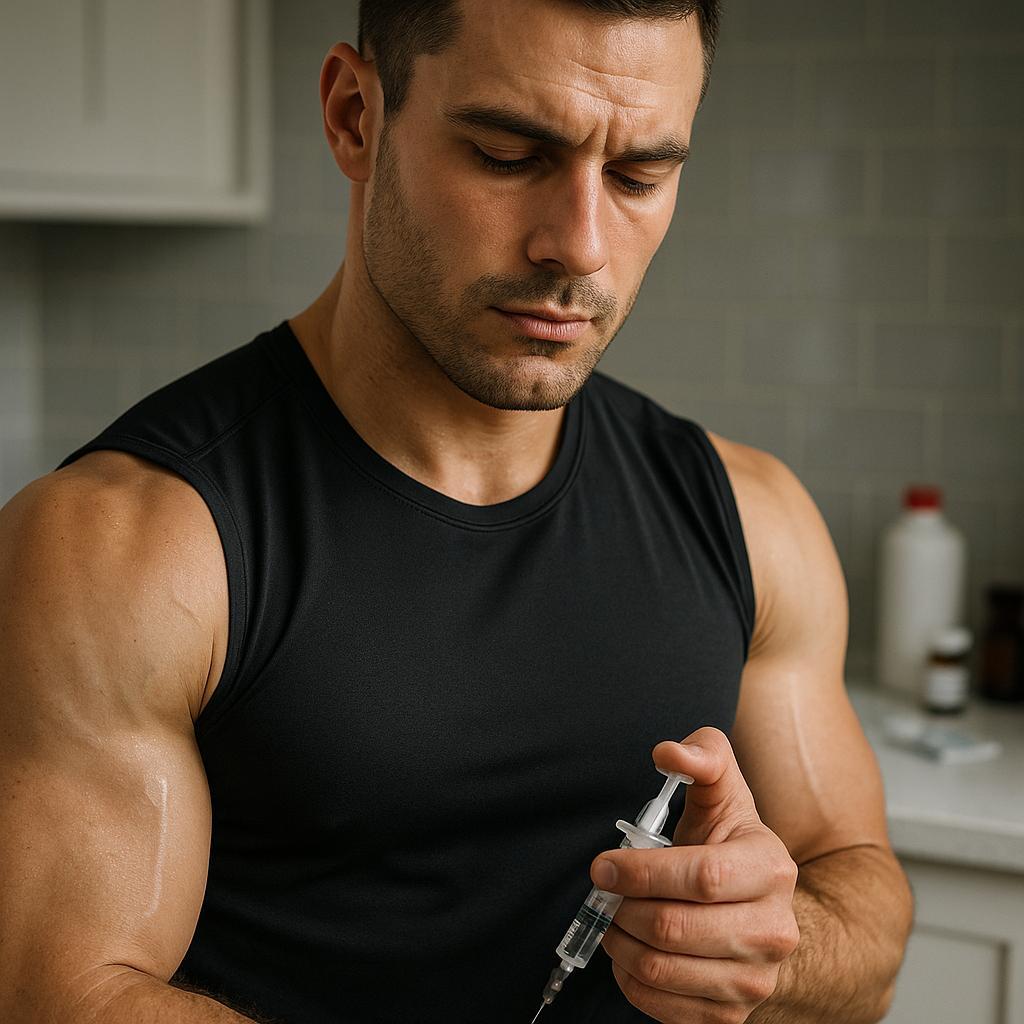
In the wake of an increasingly self-administered medication landscape,as necessitated by certain chronic diseases,intravenous immunoglobulin therapies,and the flexibility rendered by home care,it becomes paramount to broach the subject of establishing a clean and safe injection station within private domiciles effectively. This article aims to offer a detailed, pragmatic guide on setting up a streamlined, sanitary, and safe surroundings for individuals obligated to self-inject or administer treatment to others within a non-clinical setting. Through our scrupulous inquiry and analysis of best practices, we endeavor to demystify the process, thereby enhancing the effectiveness of home-based therapies, reducing the risk of infections, promoting safety, and inevitably, driving improved patient outcomes.
Assessing the Physical environment Selecting an Appropriate Location for Home injections
Creating a safe and sterile environment for home injections is of utmost importance. It’s not simply about picking a convenient spot in your home; careful considerations must be applied to prevent potential infection risks. Many factors come under this umbrella: cleanliness, availability of natural light, ability to sit comfortably and maintain appropriate posture, access to hand-washing facilities, easy disposal of sharp materials, and relative peace and quiet.
Location Matters: One crucial factor pertains to the actual room selected for the injections. First and foremost, it should be a clean space. This helps to minimize the risk of contamination and infection. In addition, good lighting is recommended to ensure clear visibility during the process. A poorly lit room can increase the risk of mistakes. Speaking of comfort, your chosen location should provide enough room for you to sit comfortably and support your arm or leg during injections. A table or hard surface is also needed to arrange your injection items in an orderly manner. It’s ideally suggested to keep a bin nearby for immediate disposal of sharp waste.
Set-up Priorities: Make sure you have all required materials before beginning the injection process. This includes alcohol wipes, a new syringe, the medication, a sharps container, and a bandage or cotton ball. Handwashing is an vital step that shouldn’t be skipped. make sure to create an environment where you won’t be interrupted.You don’t want to risk any sudden movements during the injection process.
| Feature | Reason |
|---|---|
| Cleanliness | Minimize the risk of contamination and infection |
| Good Lighting | Ensure clear visibility and minimize mistakes |
| Comfortable and supportive sitting arrangement | Prevent fatigue and discomfort during injections |
| Organized setup and easy disposal | Increase safety and decrease risk of potential accidents |
| Handwashing | Prevent contamination |
Principles of Asepsis Establishing and Maintaining a Clean Injection Surface
Maintaining impeccable hygiene standards at your home injection station is imperative for preventing infections. The methods for achieving this can be divided into broad categories, namely, pre-injection cleanup, during injection protocols, and post-injection measures.
Bearing in mind the potential for contamination, the pre-injection phase requires thorough hand hygiene.Use a quality alcohol-based hand sanitizer or soap and water to meticulously clean your hands. Next, choose a suitable, well-lit and clean surface. Chemically disinfect this area with an effective surface disinfectant. Allow the surface to air dry, thus killing any lingering microorganisms.
During the injection process, always use sterile equipment. It includes freshly opened syringes, needles, and swabs. Never re-use injection tools, as it significantly increases the risk of contamination. Likewise, ensure the drugs or solutions being injected have been stored correctly and aren’t expired. Mitigate any chances of cross-contamination; do not touch the needle or the area where the needle will enter the skin after it’s been cleaned.
Lastly, consider post-injection measures. Dispose of the used tools properly, ideally in a designated sharps container. Regularly clean your injection station and always before setting up for your next injection. Any accidental spills while handling the injection should be immediately disinfected. It is indeed prudent to remain observant of any signs of infection post injection, such as redness, swelling or increased heat at the injection site.
| Pre-injection cleanup | Clean hands with soap or sanitizer | Disinfect and air-dry injection surface |
|---|---|---|
| During the injection | Use sterile, new equipment | Keep injection site clean and untouched |
| Post-injection Measures | Dispose of used injection tools | Clean injection station regularly |
Essential Equipment and Supplies Organizing Materials for Safe and Efficient Use
Creating a clean and safe injection station at home begins with gathering the essential equipment and supplies required. It is paramount to start with a clean surface where you can lay out your materials.This surface should be easily wiped down with disinfectant to maintain a sterile environment.
Injection supplies should include alcohol wipes for sterilization, sterile syringes and needles, and a sharps container for secure and safe disposal of used needles. Depending upon the type of injection,specific medication vials may be required,along with cotton balls,and bandages for aftercare. A tourniquet may also be useful for easier vein identification. Here’s a helpful list enumerating the essentials:
| Essential Supplies | Use |
|---|---|
| Clean Surface | Preparing Injection |
| Sterile Syringes and Needles | Administering Injection |
| Alcohol Wipes | Sterilization |
| Sharps Container | Safe Needle Disposal |
| Medication Vials | Injection Medication |
| Cotton Balls and Bandages | Aftercare |
| Tourniquet | Vein Identification |
Organizing these materials in a safe and efficient manner not only promotes safety but also makes the injection process smoother. Regularly restocking your supplies and disposing of expired or spoiled materials are important protocols to follow. Proper storage involves keeping supplies in a cool, dry place, away from direct sunlight or temperature extremes to maintain their effectiveness. Remember, a well-organized injection station is a key step towards secure and efficient home-based care.
Hand Hygiene and Skin Preparation Evidence-Based Practices to reduce Infection Risk
Practicing excellent hand hygiene is the first crucial step to preventing infections while dealing with injections at home. according to the Centers for Disease Control and Prevention, washing your hands with soap and running water for at least 20 seconds effectively kills bacteria and viruses on the skin. This practice is imperative before and after handling any materials used for injections. When water and soap are unavailable, use a hand sanitizer with at least 60% alcohol. Gloves, even though helpful, don’t provide absolute protection and thus should not replace handwashing.
The next step in reducing infection risk is preparing the skin. It’s essential to clean the skin around the injection site with alcohol wipes or an alcohol-based solution before injecting. Wait for it to dry thoroughly before proceeding. This dries out and kills any bacteria that might be on the skin’s surface. It’s also beneficial to clean the tops of medication vials with an alcohol swab before use.
| Skin preparation Steps |
|---|
| Clean the skin around the injection site |
| Use an alcohol-based solution or wipes |
| wait for it to dry before proceeding with the injection |
| clean medication vials using an alcohol swab before use |
In addition to the above,maintaining a clean environment plays a significant role in curbing infection. Use sterilized work surfaces if possible. If a sterile surface isn’t available, clean the area with soap and water or a disinfectant cleaning solution. Also, ensure all injection materials are stored properly, and single-use materials disposed of immediately after use.
Sharps Handling and Disposal Implementing Safe Containment and Waste management Procedures
Establishing a clean and secure space for injection at home warrants careful attention to proper sharps management. In this context, ‘sharps’ refer to any object that can pierce the skin, including needles, syringes or lancets. Utmost importance should be laid upon developing a routine for safe containment and disposal that justifies hygiene standards and mitigates risks.
safe Containment
The core of safe containment lies in never reusing or sharing any injection equipment,not even with household members. For secure storage, sharps should immediately be placed in a hard plastic or metal container with a screw-on top, or other secure lid. Ensure this container is not recyclable.
- Inject within this safe space each time.
- Ensure the lid to your containment unit is always unfastened during use.
- Once done, disassemble your syringe before placing it in the container.
Waste Management
The disposal of sharps must be done responsibly to prevent injuries and disease transmission.It is crucial to always dispose of sharps in approved sharps disposal locations. Never throw them into regular trash bins, recycling bins, or on the ground. Some pharmacies may accept used sharps. Additionally, many areas offer waste collection days or mail-back programs for sharps disposal.
| Safe Handling Tips |
|---|
| Avoid using sharps when you are alone |
| Never place sharps in plastic bags or loosely in your garbage |
| Clean your injection area before and after every use. |
in Retrospect
ensuring a clean and safe injection station is crucial for the health outcome and overall wellbeing when performing injections at home. As we have highlighted, numerous factors come into play, including sterilization, using appropriate technical skills, and strictly following the guidelines on disposal of used equipment. The incredible advancements in modern medicine have allowed us to perform such procedures at home autonomously, but they also bring responsibilities to maintain safety and hygiene standards. It’s not merely about making the environment infection-free,but it is also about cultivating a meticulous and conscientious approach to home healthcare. At the heart of it all, is the pursuit of reducing potential risks and increasing the effectiveness of injectable treatments carried out in the confines of one’s home. Always consult professional guidance before performing such procedures to ensure that every step taken is in accordance with best health practices.