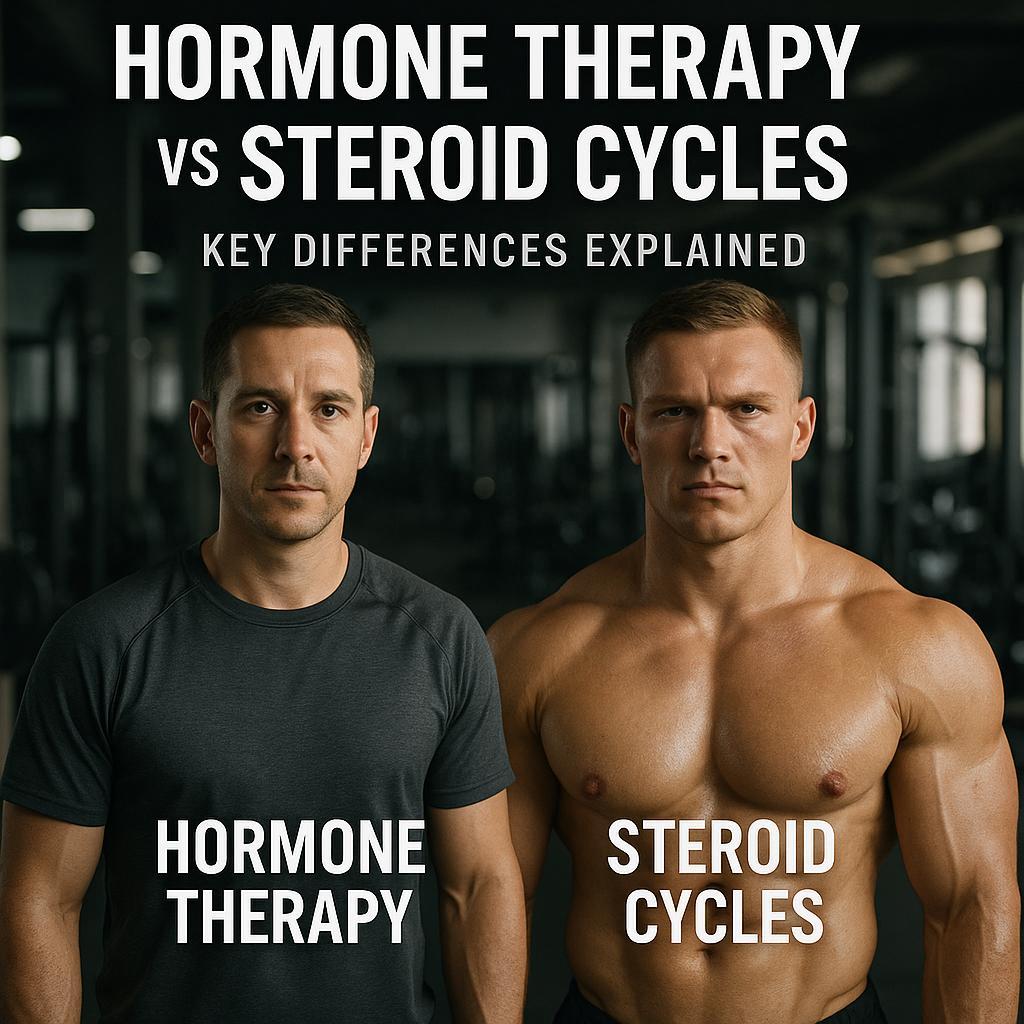
Softly hums the orchestra of life inside our body, a melodious symphony orchestrated by hormones.These potent biochemical messengers are the tireless conductors of the human orchestra, managing myriad functions from growth to mood regulation. Though,sometimes the orchestra hits a sour note,and we must look to external interventions,such as hormone therapy and steroid cycles,to maintain the harmony. Yet confusion frequently enough surrounds these two interventions, many mistake one for the othre while some view them as indistinguishable shadow twins. Welcome, esteemed reader, to a clear unraveling of these medical marvels as we delve into the heart of the matter, the key differences between hormone therapy and steroid cycles, creating a meticulous, enlightening composition to inform the uninformed and add extra notes of knowledge to the aware.
Understanding Hormone Therapy: Basics and Benefits
Hormone therapy, which is sometimes also called endocrine therapy, is a cancer treatment that slows or stops the growth of cancer that uses hormones to grow. Hormone therapy is mainly used to treat cancers of the breast and prostate. There are two ways hormone therapy is implemented: overlaying hormones and blocking body’s ability to produce hormones.Hormone therapy is considered a systemic therapy, meaning it impacts the entire body.
- Overlaying Hormones: Here, artificial hormones are introduced to either counter the effects of the naturally produced ones, or to disrupt their release thereby affecting the cancer cells.
- Blocking Body’s Ability to produce Hormones: This method, sometimes referred to as hormone blocking therapy, involves medication that stops the production of certain hormones.
On the other hand, steroid cycles refer to the pattern of steroid use where individuals take doses of anabolic steroids over a specific period of time, stop for some time, and then start again. Steroid cycles are commonly used by athletes and bodybuilders to boost their physical performance or improve their appearance. However, it is essential to note that the use of anabolic steroids without a doctor’s prescription is illegal due to the risks and side effects associated with unsupervised use.
| Hormone Therapy | Steroid Cycles |
|---|---|
| Systemic approach impacting entire body | specific to improvements in physique or performance |
| Targeted at inhibiting hormone production or effect | Regular intake of high steroid doses to manipulate hormone levels |
| Only administered with doctor’s prescription | Frequently enough misused without a doctor’s prescription |
Of the two therapies, hormone therapy is generally considered a medical treatment for hormone-responsive cancers while steroid cycles are mainly associated with performance and appearance enhancements but carry high health risks. The key differences between them hinge around their use, objectives, administration and legalities.
Decoding steroid Cycles: Their Function and Risks
When it comes to enhancing body function and structure, both hormone therapy and steroid cycles play important roles. Despite this commonality,these two strategies are vastly different,serving differing objectives,and carrying distinct potential risks.
Hormone therapy, also known as endocrine therapy, is primarily used in a medical context to treat conditions such as hormone-sensitive cancers, menopausal symptoms, and transgender hormone therapy. This involves administering hormones or hormone-blocking drugs to the patient, thereby regulating the function of the hormonal system. this treatment can effectively manage various hormonally-driven conditions, but it is not without its potential side effects which include fatigue, hot flashes, mood swings, and osteoporosis to name a few.
- Steroid cycles, conversely, are purposed towards enhancing physical performance, muscle mass, and strength. Commonly used in bodybuilding and athletics, steroid cycles involve the cyclical use of performance-enhancing drugs, including anabolic steroids. The ‘cycle’ refers to the period of steroid use, typically lasting between 6 – 12 weeks, followed by an ‘off-cycle’ period where no steroids are consumed. This approach is believed to allow the body time to recover, minimizing potential side effects of continuous steroid use.
| The Good | The Risks |
|---|---|
| Hormone Therapy: Effective management of multiple hormonally-driven conditions. | Hormone Therapy: Potential side effects like fatigue, mood swings, hot flashes, and risk of osteoporosis. |
| Steroid Cycles: Enhanced physical performance, muscle mass and strength. | Steroid cycles: increased risk of heart diseases, liver disease, aggression, and mental health disorders like depression. |
While steroids do produce rapid gains in size and strength, their misuse has been associated with a host of serious health issues, including heart disease, liver disease, aggression, and mental health disorders. Given these risks, the use of anabolic steroids should always be done under professional supervision and adherent to the prescribed cycle and dosage.
From Similarities to Differences: Hormone Therapy versus Steroid Cycles
While both Hormone Therapy and Steroid Cycles involve the administration of hormones, their purpose, application, and potential side effects vary significantly. Comprehending these can aid individuals in making informed decisions about their health and fitness regimen.
hormone Therapy is generally prescribed by physicians to compensate for a lack of naturally occurring hormones or an imbalance. This therapy is used widely in the treatment of menopausal symptoms in women, prostate cancer in men, or for those undergoing gender transition. The focus of Hormone Therapy is to restore the body’s hormonal balance, leading to a healthier state.
- Pros: Alleviates symptoms, improves wellbeing
- cons: Potential side effects, may involve long-term commitment
Steroid Cycles, on the other hand, steps into the territory of performance enhancement. These are often used by athletes and bodybuilders due to their ability to promote muscle growth and increase physical performance. It is indeed crucial to note that unlike Hormone Therapy, Steroid use is not usually administered under medical supervision, which can lead to misuse and dangerous side effects.
- Pros: Enhances performance, promotes muscle growth
- Cons: High potential for abuse, numerous health risks
below is a simplified comparison of the two:
| Hormone therapy | Steroid Cycles |
|---|---|
| Medically supervised | Frequently enough unsupervised |
| Purpose: Restore hormonal balance | Purpose: Enhance physical performance |
| Possible side effects but considered relatively safe when monitored by a medical professional | Potential for severe health risks if used irresponsibly |
Understanding the key difference is essential, as these therapies have far different implications and health outcomes. Irrespective of your requirement,professional medical advice should always be sought before proceeding with either of these treatments.
Practical Implications: how Your Body Reacts to Each Therapy
Hormone therapy and steroid cycles can provide significant benefits,but the body’s response to each is markedly different owing to the nature of their components. Hormone therapy, especially when used for medical conditions, is designed to supplement or replace hormones that your body may be failing to produce. Some of the common reactions to hormone therapy include weight gain, mood swings, hot flashes, and decreased libido. Women may experience symptoms similar to menopause like vaginal dryness and irregular periods, while men may experience gynecomastia (breast growth), and a decrease in muscle mass.
Steroid cycles, conversely, are often used by athletes and bodybuilders to enhance physical performance, and are associated with a set of significant side effects as well. These include, but are not limited to, an increase in muscle mass, aggressive behavior, acne, liver damage, increase in bad cholesterol levels (LDL) and a decrease in good cholesterol levels (HDL). Therefore, it’s crucial to consider the potential long-term impact on your health before going ahead with any of these treatments.
| Therapy Type | Typical Body Reactions |
|---|---|
| Hormone Therapy | Weight gain, mood swings, decreased libido, symptoms similar to menopause in women, decreased muscle mass in men |
| Steroid Cycles | Increased muscle mass, aggressive behavior, acne, liver damage, altered cholesterol levels |
It’s crucial to consult with a healthcare professional before starting either of these therapies to fully understand the potential side effects and determine the best course of action based on your individual health needs.
Making an Informed Choice: Recommendations for Healthier Options
For many, the decision between hormone Therapy and Steroid Cycles can be quite challenging. By understanding the key differences, you can make an informed choice based on your health needs and wellness goals. Hormone therapy can be defined as a treatment method using hormones to alleviate specific medical conditions. It includes treatments like testosterone replacement therapy which can help patients suffering from lower testosterone levels.On the other hand,steroid cycles refer to the periods where individuals use anabolic steroids to enhance physical performance or muscle growth.
Here are several factors for consideration:
- Side-effects: With hormone therapy, side-effects are relatively less severe compared to steroids. Sweating, headaches, and mood changes are common with hormone therapy whereas steroids can cause severe side-effects like heart disease and liver damage.
- Duration: Steroids are typically used for shorter periods, known as cycles, with breaks in between to allow the body to recover. Hormone therapy, on the other hand, is a long-term treatment approach.
- Goal of Usage: Steroids are often used to bulk up and improve physical performance. Hormone therapy is used to address a hormonal imbalance in the body.
- Regulation: hormone therapy is regulated by medical professionals and requires a prescription.Anabolic steroids used outside of medical supervision are illegal in many places.
| Hormone Therapy | Steroid Cycles |
| Less severe side-effects | Can cause severe side-effects |
| Long-term approach | Short-term with breaks |
| Medical regulation | Potentially illegal use |
| Addresses hormonal imbalance | Boosts physical performance |
When choosing between hormone therapy and steroid cycles, make sure you consider these factors.Prioritize your health and consult with medical professionals before making any decisions. Keep in mind that anything that impacts your hormones can have far-reaching effects on your body, and should always be discussed with a trusted healthcare provider.
Trustworthy Alternatives: Promising Therapies Beyond Steroids and Hormones
As our understanding of biology and medicine continues to grow, so do our potential options for treatment. If the traditional route of steroids and hormone therapies does not appeal to you, or simply isn’t working, you may be interested in exploring some of the up and coming alternatives. These promising therapies offer a different approach,focusing on different aspects of the body’s healing and growth processes.
All of these therapies have unique effects and benefits. Here is a list of some of these promising therapies:
- Peptide Therapy: Peptides are naturally occurring amino acid chains in the body that signal different actions. In peptide therapy, specific peptides are used to trigger certain beneficial effects. For example,some peptides stimulate the body’s production of human growth hormone.
- Platelet-Rich Plasma (PRP) Therapy: This therapy uses the patient’s own plasma, enriched with platelets, to stimulate healing and growth in specific areas of the body. It’s becoming popular for injury recovery and skincare.
- Stem Cell Therapy: Stem cells are capable of becoming any type of body cell, which gives them huge potential for healing and tissue regeneration. Research into the possibilities for stem cell therapy is still very much ongoing.
| Therapy | Target Area | Use Case |
| Peptide Therapy | Stimulates production of human growth hormone | Health and wellness; performance enhancement |
| PRP Therapy | Stimulates healing in specific areas | Injury recovery; skincare |
| Stem Cell Therapy | Healing and tissue regeneration | Research phase for numerous cases |
These groundbreaking approaches move beyond masking symptoms or pushing the body past its natural limits. Rather, they aim to work with the body’s inherent healing and growth mechanisms, sometimes even enhancing them. Each comes with its own set of risks and benefits, so it’s critically important to do your research and consult with a medical professional before undertaking any new therapy.
The Path to Hormonal Health: Strategies for Effective Treatment
Hormonal health is a complex but crucial aspect of overall well-being, especially as we age.With a multitude of potential symptoms and conditions resulting from hormonal imbalance – from mood swings to sleep disorders and from weight gain to a lack of energy – understanding the moast suitable treatment options can be a game changer.
When it comes to strategies for effective treatment, two methods often come to the forefront: Hormone Therapy and Steroid Cycles. These differing approaches to treatment have distinct advantages and disadvantages,functions,and applications,which are worth considering when determining the best course of treatment.
The term Hormone Therapy, frequently enough pertains to the use of either synthetic or naturally derived hormones to supplement the body’s own production. It’s typically used in scenarios such as menopause, male hypogonadism, or in treating certain forms of cancer. On the other hand, steroid Cycles refer to the use of anabolic steroids to boost physical performance, build muscle, or enhance recovery from injury.It’s important to note here that while these can yield significant benefits in the short term, they are not without potential risks and side effects.
| Hormone Therapy | Steroid Cycles |
|---|---|
| Supplement body’s own hormone production | Enhance physical performance |
| Treats menopause, male hypogonadism, certain forms of cancer | Builds muscle, enhances recovery from injury |
| Potential for side effects (dependent on individual and specific hormones used) | potential for side effects and addiction. Long-term effects can be detrimentsal to overall health |
Choosing the right treatment methodology depends on myriad factors including medical history, current health status, personal goals, lifestyle factors, and the advice of medical professionals. No matter which path you decide to take,ensure you seek professional medical advice before starting any new treatment regime.
Key Takeaways
In the physical tapestry of life, hormones and steroids serve as threads, weaving intricate patterns to maintain homeostasis. They are not inherently good or bad,simply tools utilized by our bodies to maintain health and promote growth.Though, their unauthorized manipulation, through hormone therapy or steroid cycles, can have significant implications. The choice to engage in either of these practices calls for an informed decision, understanding nuances and subtleties that accompany each. after all, respectful stewardship of one’s body-in all its complexity and mystery-is the highest expression of self-recognition. Monitor these threads wisely, for they don’t merely cater to our need for power or aesthetics, but essentially shape the fabric of health – our most precious, irreplaceable wealth.